40 Best Body Type Styling Ideas That Make Every Outfit Look Like It Was Made for You
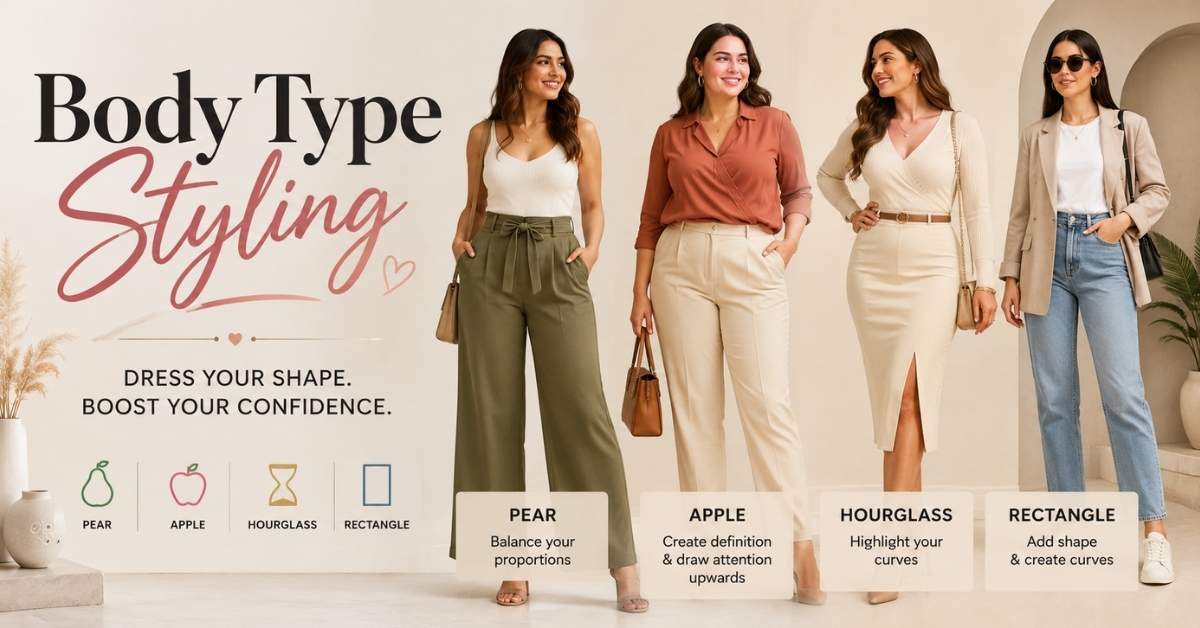
Body type styling is one of the most empowering and transformative aspects of fashion that helps every woman understand how to dress her unique shape in the most flattering and confidence boosting way possible. Every woman’s body is beautifully different and understanding your own body type is the first and most important step toward building a wardrobe that celebrates your natural curves, highlights your best features, and makes you feel absolutely stunning and completely comfortable in everything you wear.
Whether you have an hourglass figure, a pear shape, an apple silhouette, or a rectangular frame, there are incredible styling tips and outfit ideas that are perfectly designed to make you look and feel your most beautiful and confident self every single day.
From choosing the right silhouettes and necklines to understanding which fabrics, patterns, and cuts work best for your unique shape, body type styling is a wonderfully empowering journey of self discovery and creative fashion exploration. The beauty of learning how to dress for your body type lies in the incredible confidence and freedom it gives you to walk into any room feeling completely at ease and utterly gorgeous in what you are wearing.
If you are ready to embrace your natural shape and discover the most flattering and stylish outfit ideas for your unique body type, these empowering and beautifully insightful body type styling tips will give you everything you need to build a wardrobe that celebrates, flatters, and honors the beautiful woman you truly are.
High-Waisted Wide-Leg Trousers with a Tucked-In Ribbed Top
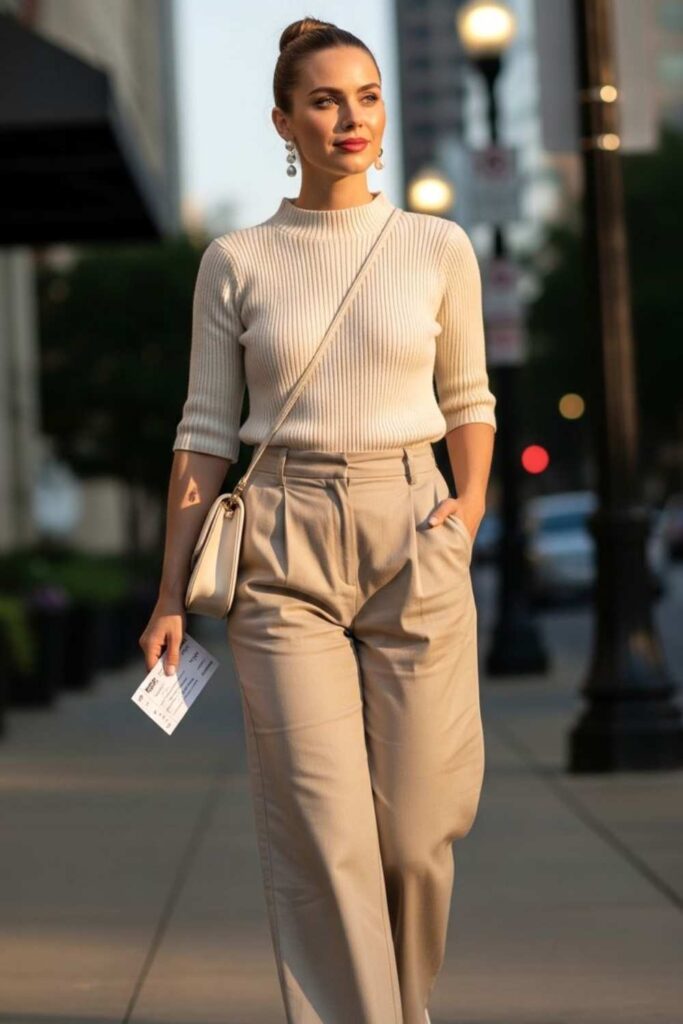
If there’s one combination that works across almost every body type, it’s this one. The high waist creates a defined midsection while the wide leg adds a long, fluid line from hip to floor instantly elongating the lower body. A fitted ribbed top tucked in keeps the waist as the focal point without adding bulk. Honestly, this silhouette has been everywhere for good reason.
Wrap Dress with a Defined Waist Tie
The wrap dress exists because it genuinely flatters. The diagonal neckline draws the eye across the chest rather than straight down, the tie creates a waist where there may not be a natural one, and the A-line skirt skims over hips without clinging. Go for a midi length if you want the most elongating effect it hits just the right spot.
Monochromatic Tonal Dressing from Head to Toe
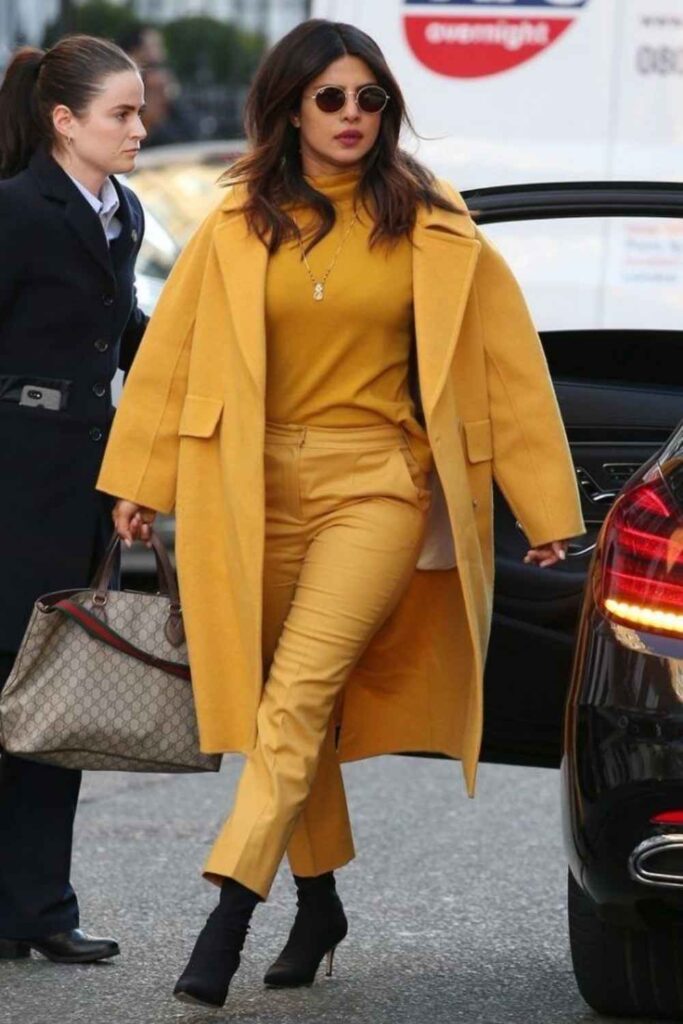
Most people don’t know this trick works this well: wearing the same color family from top to bottom creates one unbroken vertical line, making you look taller and leaner regardless of your actual proportions. You don’t need an exact match a dusty mauve top with warm taupe trousers reads as monochromatic and looks effortlessly put-together. This is the kind of look that gets saved 50,000 times for a reason.
Straight-Leg Jeans with a Cropped Blazer for Hourglass Shapes
If your shoulders and hips are roughly equal with a defined waist, a cropped blazer is your best friend. It ends right at the natural waist, framing your shape without hiding it. Pair with straight-leg jeans rather than skinny the extra fabric through the leg balances the structured top perfectly.
Empire Waist Maxi Dress for Rectangle Body Types
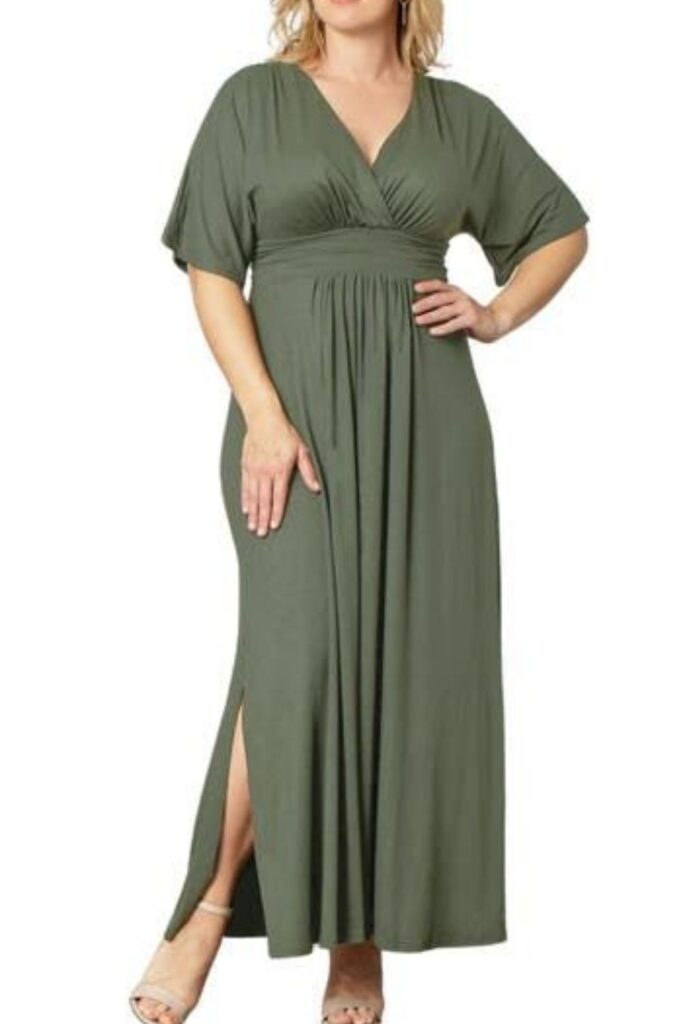
Rectangle shapes where shoulders, waist, and hips are fairly even benefit most from styles that create the illusion of curves. An empire waist gathers just below the bust and flows outward, adding volume below and drawing attention to the narrowest part of the upper torso. Choose one with a slight drape at the skirt to add softness.
Dark Wash Straight Jeans with a Flowy Blouse and Belt
Here’s a simple formula that you’ll probably find yourself reaching for more than expected: dark wash straight jeans (not skinny, not wide) paired with a slightly oversized blouse, belted loosely at the waist. The belt breaks the flowy silhouette just enough to create shape without constricting. Works for pear, rectangle, and apple shapes equally well.
A-Line Skirt with a Fitted Knit for Pear Body Types
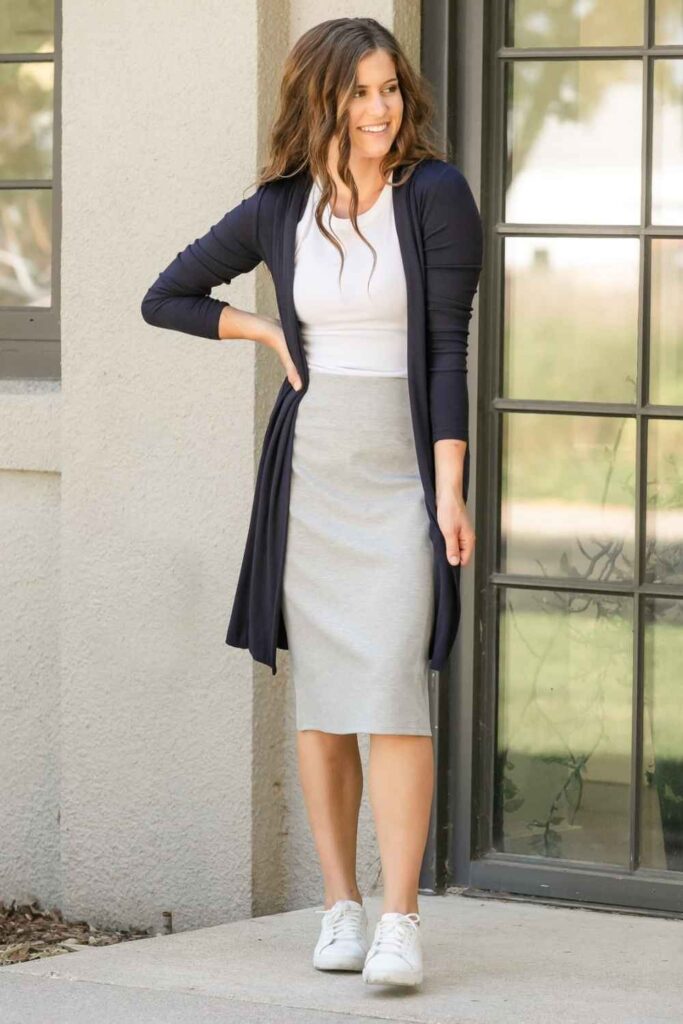
Pear shapes fuller hips and thighs with a smaller upper body look incredible in A-line skirts because the flare moves with the hip rather than cling to it. Pair it with a fitted knit or tucked-in blouse to bring more attention upward. This simple balance of fitted top, flared bottom is one of the most reliable dressing formulas out there.
Off-Shoulder Top with High-Rise Tailored Shorts
For anyone with narrower shoulders wanting to create width at the top, an off-shoulder or wide-neck top is an instant visual fix. It draws the eye across the shoulder line, broadening it naturally. High-rise tailored shorts keep the bottom half structured and polished, so the overall look feels intentional rather than casual.
Longline Cardigan Over Slim-Fit Trousers
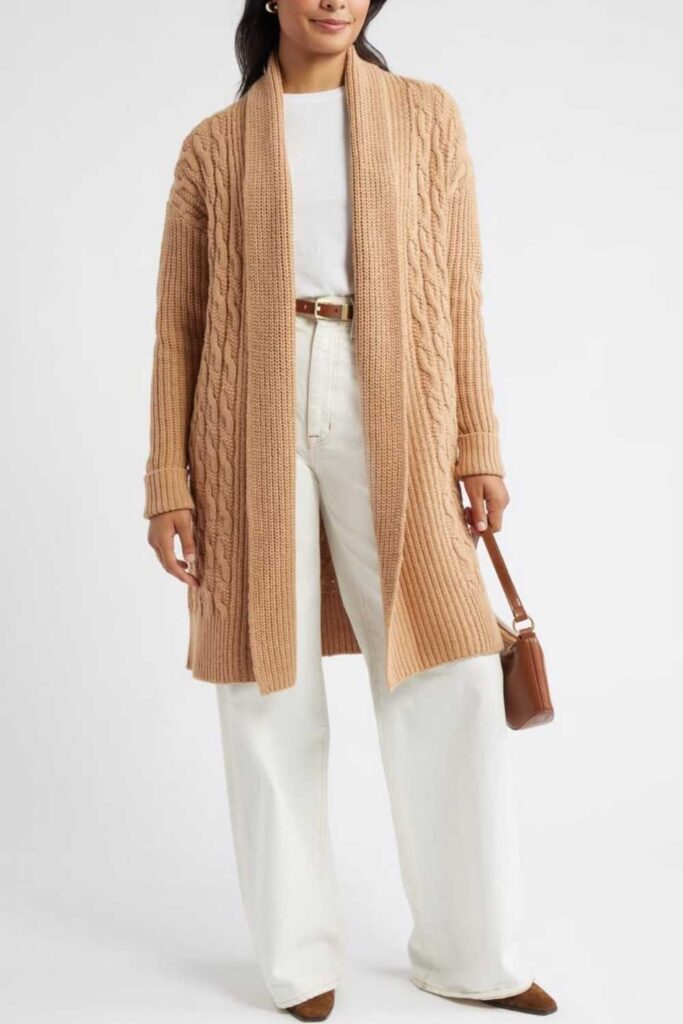
A longline cardigan creates a strong vertical line down the center of the body one of the most flattering things you can do for any figure. Keep what’s underneath slim and simple: a fitted tee and straight-leg or slim trousers. The length and structure of the cardigan does the heavy lifting, and you barely have to think about the rest of the outfit.
Peplum Top with Slim Trousers for Apple Body Types
Apple shapes carry more weight through the midsection and often have slimmer legs which means slim trousers are an asset, not something to hide. A peplum top is styled to flare at the hip, drawing attention down and away from the midsection while creating the suggestion of a waist above. A bold color on the bottom half pulls the eye there, too.
Color-Blocked Upper and Lower Halves
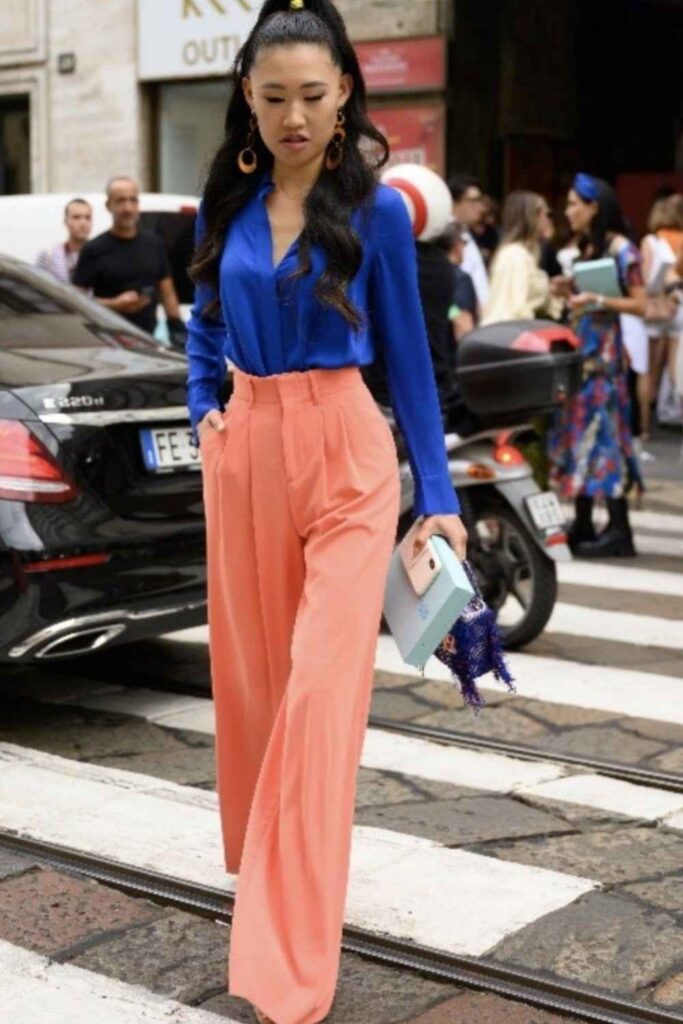
This one looks simple, but the effect is surprisingly elevated. By placing a darker, more muted color on whichever half you want to minimize and a richer or lighter color on the half you want to highlight, you instantly reshape the perceived silhouette. Dark navy trousers with a soft cream blouse, for example, draws focus upward and lengthens the legs simultaneously.
Tailored Jumpsuit with a Thin Belt at the Waist
A jumpsuit sounds casual, but a well-tailored one is one of the most body-conscious pieces you can own. It creates one seamless silhouette from shoulder to ankle no break at the waist, no mismatch between top and bottom. Adding a thin belt at the natural waist adds definition without changing the clean line. Easy, reliable, and surprisingly versatile.
Read More About: 93 Green Pants Outfit Ideas Women Are Actually Wearing Right Now
Ruched Midi Skirt with a Simple Fitted Tee
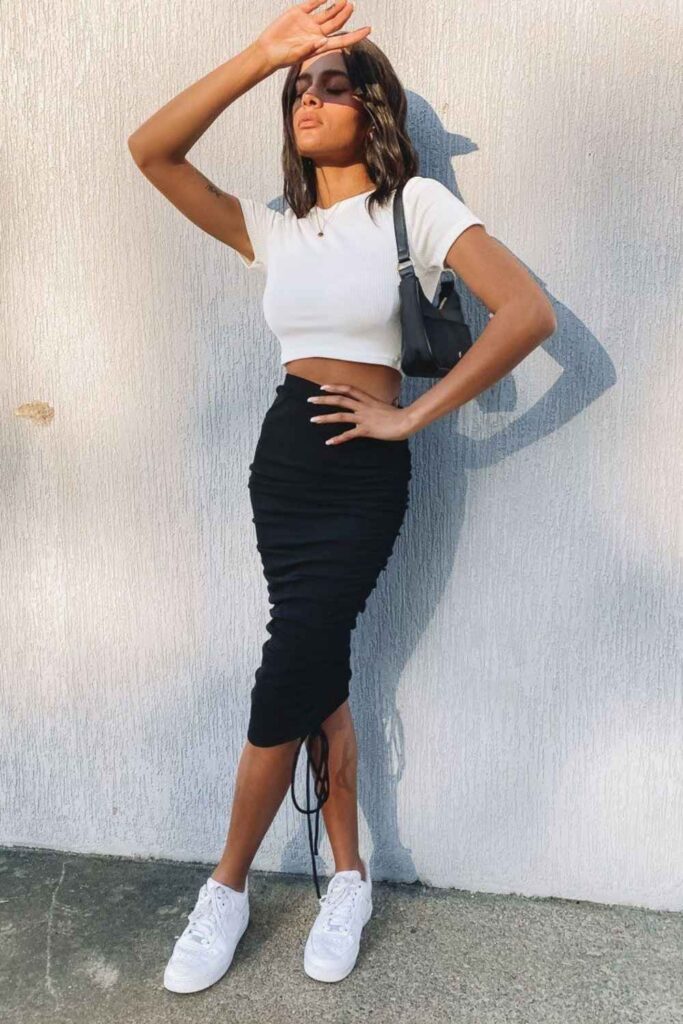
Ruching that gathered fabric detail along the sides of a skirt is one of the most flattering textures for any body type. It creates visual interest while naturally skimming over the hip and thigh. Keep the top simple and fitted so the skirt is the statement. Tuck in just the front of the tee for a relaxed, stylish half-tuck that adds dimension.
V-Neck Tops and Dresses to Lengthen the Torso
If you want something low-effort but visually effective, this is it: swap any crew neck for a V-neck. The V-shape creates a downward visual line that elongates the neck and torso, making you look taller and leaning you out slightly. This works for every body type it’s one of those tweaks that feels small but changes the whole energy of an outfit.
Balloon-Sleeve Top with Straight-Cut Trousers for Inverted Triangle Shapes
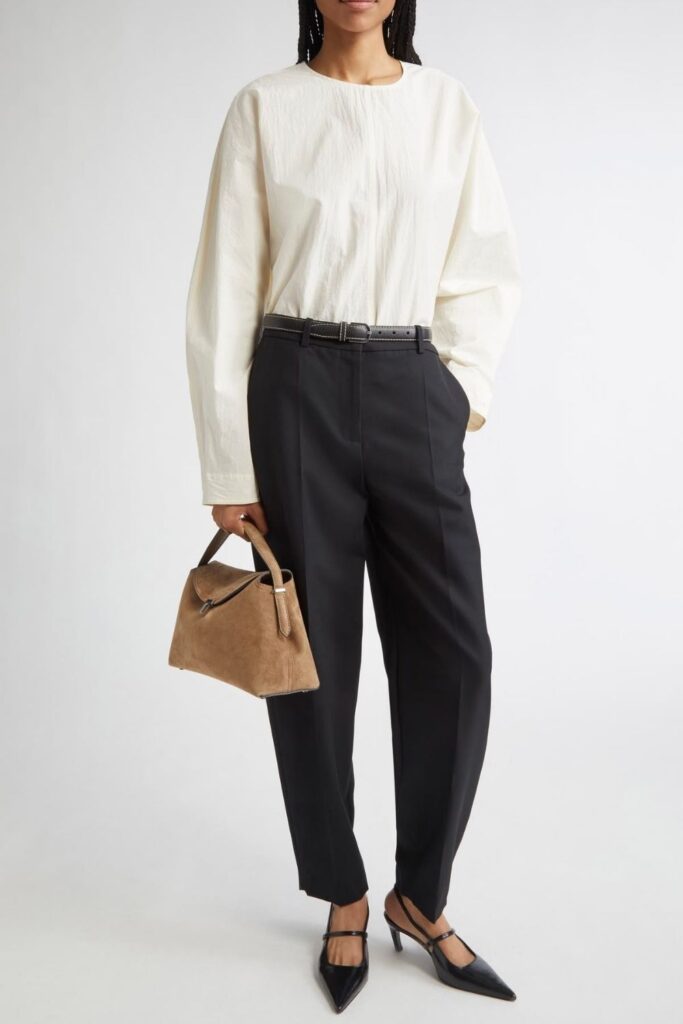
Inverted triangle shapes broader shoulders, narrower hips are often styled wrong by being told to add volume at the bottom only. While that helps, starting with a balloon sleeve on top actually works with the wider shoulder line rather than fighting it. Pair it with straight-cut wide trousers to build real balance. The result looks intentional, editorial, and completely current in 2026.
Slip Dress Over a Long-Sleeve Fitted Tee
Layering a slip dress over a fitted long-sleeve tee is one of those combinations that shouldn’t work as well as it does. The tee adds coverage and structure while the slip provides shape and length. It creates a sleek, elongated line that’s especially flattering for petite or lean rectangular figures. I’ve noticed this style tends to work best when the tee and slip are in the same color family.
Structured Midi Skirt with a Tucked Silk Blouse for Curvy Figures
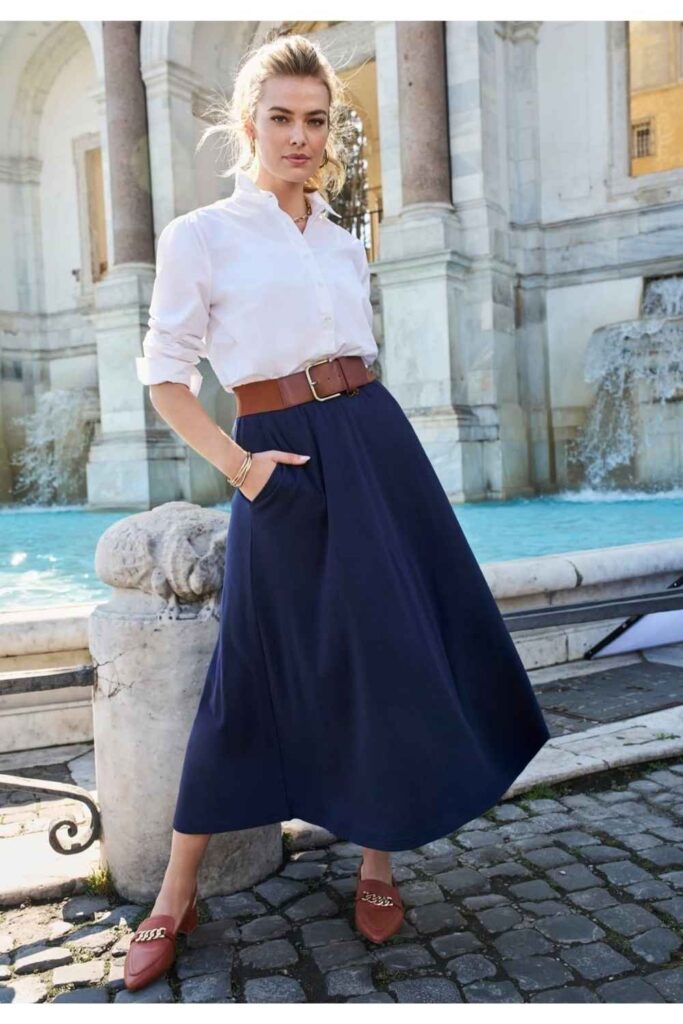
Curvier figures look best when clothes have some structure unstructured fabrics can add visual bulk where you don’t want it. A structured midi skirt in a ponte or thick crepe fabric holds its shape beautifully without clinging. Tuck in a silky blouse and let it slightly billow at the front for a look that’s polished, feminine, and genuinely comfortable to wear all day.
Cropped Wide-Leg Linen Trousers with a Boxy Linen Top
This is a whole-mood outfit that works because it plays with proportions on purpose. Cropped wide-leg trousers show a sliver of ankle, elongating the leg visually. A boxy linen top worn untucked keeps the torso relaxed. The trick: both pieces should be in neutral, similar tones. The matching-linen-set energy here is very much the direction fashion is moving in 2026.
Knee-Length Pencil Skirt with a Semi-Fitted Top for Hourglass Curves
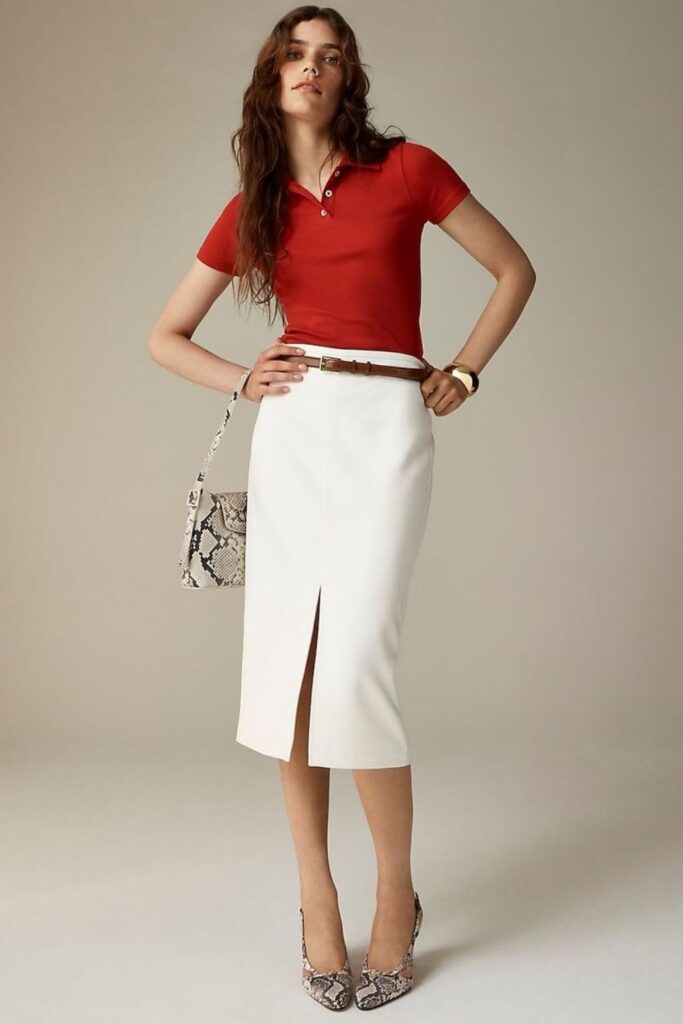
Hourglass figures are often over-styled people add too many layers trying to “balance” a shape that’s already balanced. A clean knee-length pencil skirt and a semi-fitted (not tight, not baggy) top is all you need. Let the silhouette do the work. In my experience, this works best when the skirt has a slight stretch so it moves naturally rather than restricting your stride.
Tiered Maxi Skirt with a Tucked-In Bodysuit
A tiered skirt adds volume at the hip and below in the most wearable way the tiers move with you and avoid the stiffness of an A-line. Paired with a simple bodysuit tucked in, the waist stays defined and the look stays grounded. This works brilliantly for pear and hourglass shapes but looks equally good on rectangles looking to add some curve.
Oversized Blazer as a Dress with Tall Boots
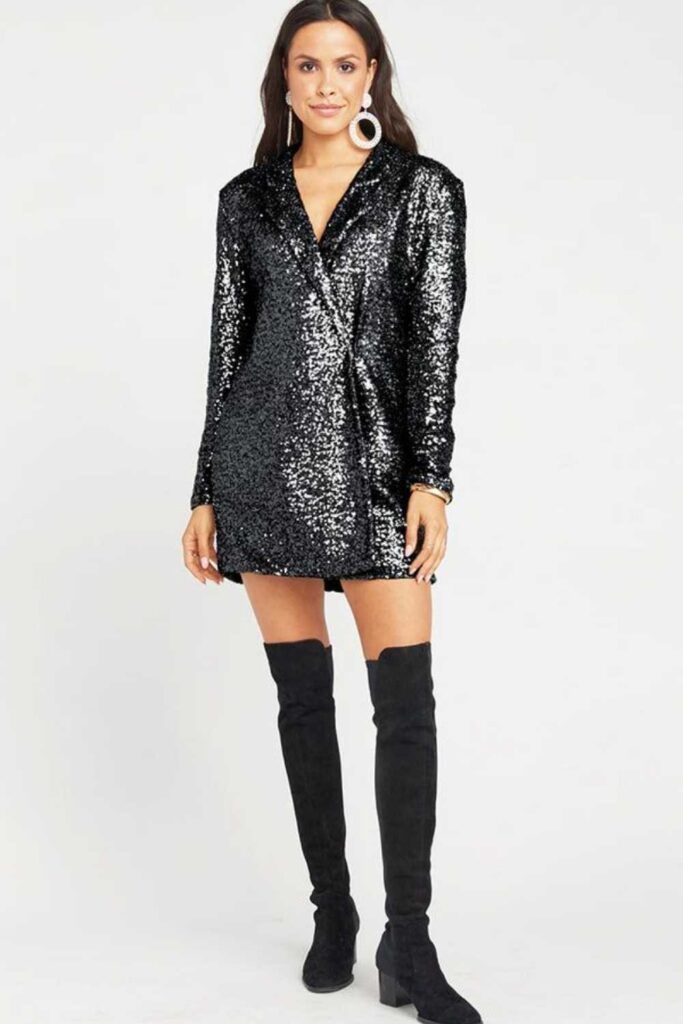
This is one of those styling moves most people don’t attempt but should. An oversized blazer worn as a dress belted or left loose with knee-high or thigh-high boots creates a powerful, elongated silhouette. The boots fill in the gap between the blazer hem and the floor, maintaining the vertical line. Works best for taller figures but can work beautifully for petite frames with heeled boots.
Boat Neck Top with Flared Trousers for Balanced Proportions
The boat neck is underrated in body type styling conversations. It creates a strong, clean horizontal line across the collarbone and shoulder which adds visual width to the upper body without adding bulk. Pair with flared or wide-leg trousers to mirror that width at the bottom, and you get one of the most balanced silhouettes you can create without trying very hard.
Midi Wrap Coat as the Statement Piece Over Minimal Basics
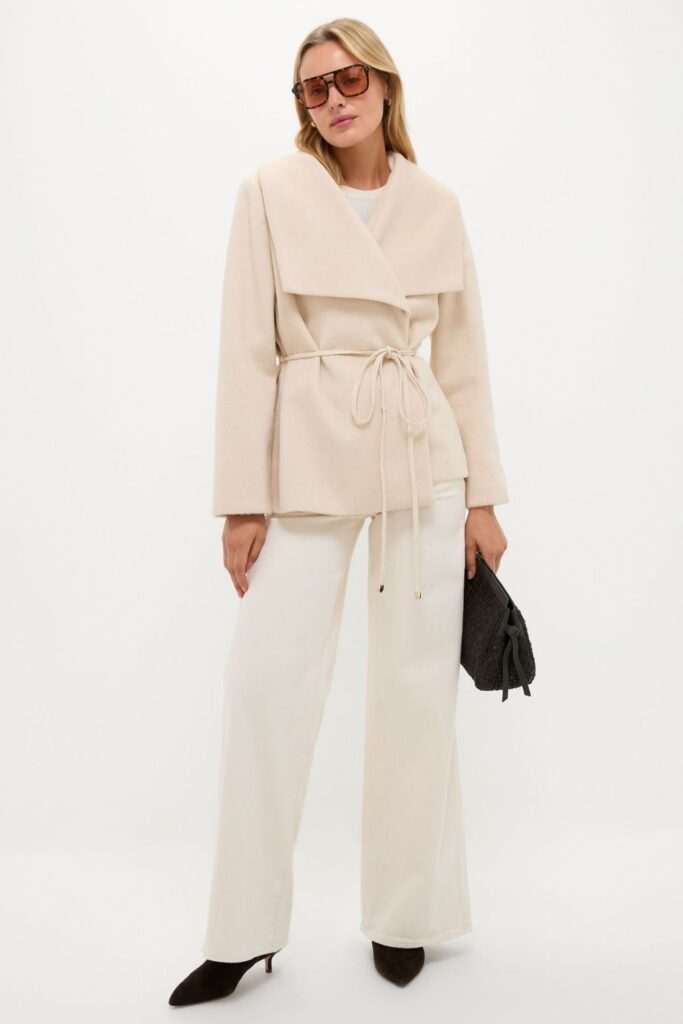
When the coat is doing the work, everything underneath can be simple. A midi wrap coat defines the waist through its self-tie, flows over the hips, and creates a clean, polished figure from the outside in. Wear it over basic black trousers and a thin turtleneck the coat elevates everything without you needing to overthink the layers beneath.
Stretch Flare Jeans with a Fitted Long-Sleeve Top
Flare jeans are back in a big way in 2026 but what makes them body-type-smart is how they create a balanced line from hip to floor. The flare below the knee visually mirrors any width at the hip, creating symmetry. Keep the top simple and fitted to avoid adding bulk at the top while the flare balances below. This one works on repeat without trying too hard.
Read More About: 12 Best Outfit Ideas by Season You’ll Actually Want to Wear in 2026
Cargo Pants Styled with a Slim Bodysuit for Athletic Figures
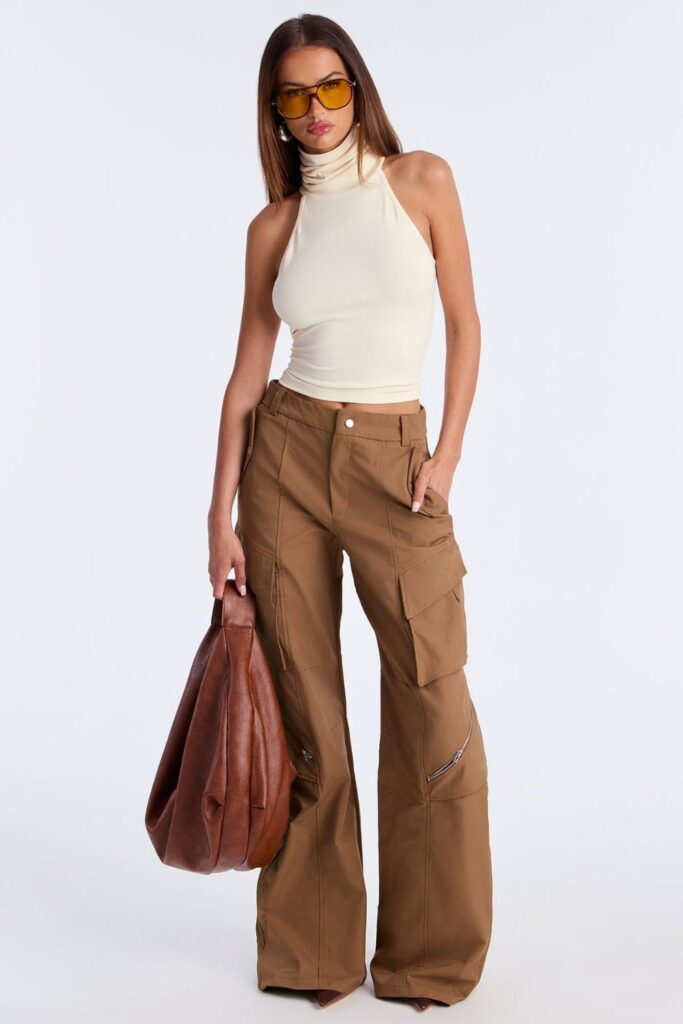
Athletic figures defined by broader shoulders and a less defined waist can look incredible in cargo pants when styled right. Choose a slim or straight-cut cargo (not baggy) and pair with a form-fitting bodysuit tucked in. The bodysuit creates a smooth, defined waistline underneath the beltline of the cargo, while the structured pants keep the bottom half from looking too wide.
Printed Wrap Top with Solid Bottoms
This is the contrast styling rule that genuinely works: keep the printed piece on whichever half you want people to look at, and keep the other half in a clean, complementary solid. A printed wrap top draws the eye upward and makes the upper body feel more dynamic. Solid trousers or a solid skirt keep the look grounded. Don’t match the prints to the bottoms that’s where it goes wrong.
High-Neck Bodysuit with Relaxed Wide-Leg Trousers
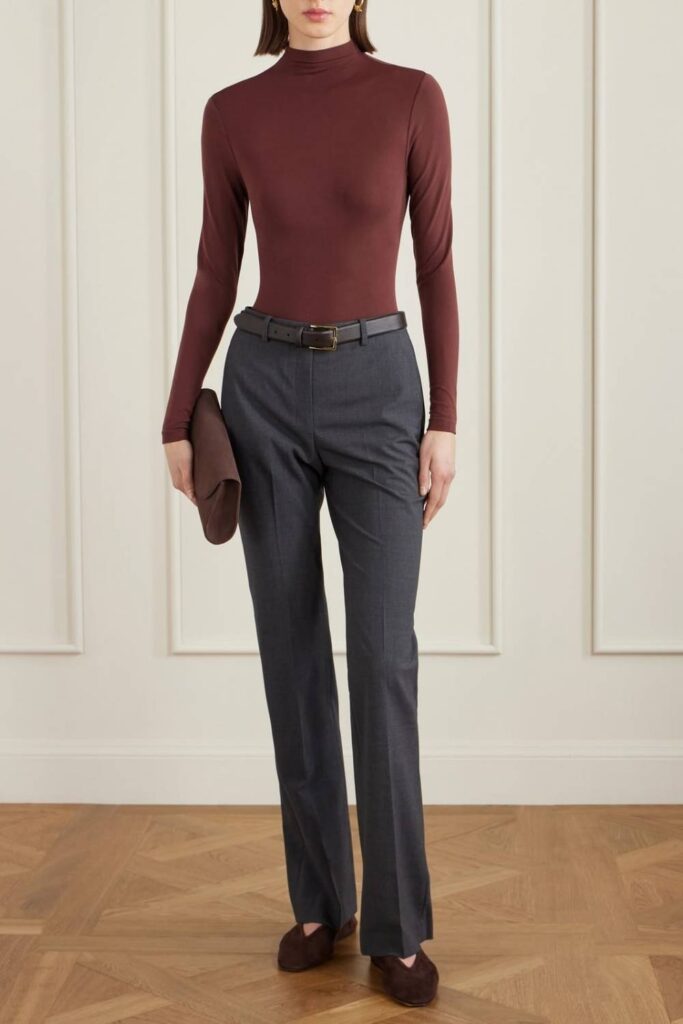
High-neck bodysuits are one of those pieces that punch above their weight. The fitted, high neck elongates the neck and draws the eye upward, creating length. Paired with relaxed wide-leg trousers in a neutral think stone, tan, or oatmeal and you have an outfit that reads effortlessly editorial. The contrast between the tight, structured top and the relaxed, flowing bottom is what makes it work.
Midi-Length Pleated Skirt with a Tucked Satin Blouse
Pleats in a midi skirt add graceful volume at the hip without the stiffness of a structured skirt they move beautifully and photograph well. A satin or silky blouse tucked in adds a luxe texture contrast and keeps the waist visible. This look transitions easily from day to evening and works well for hourglass, pear, and rectangle shapes with very little adjustment.
Tailored Shorts with an Oversized Button-Down for Petite Frames
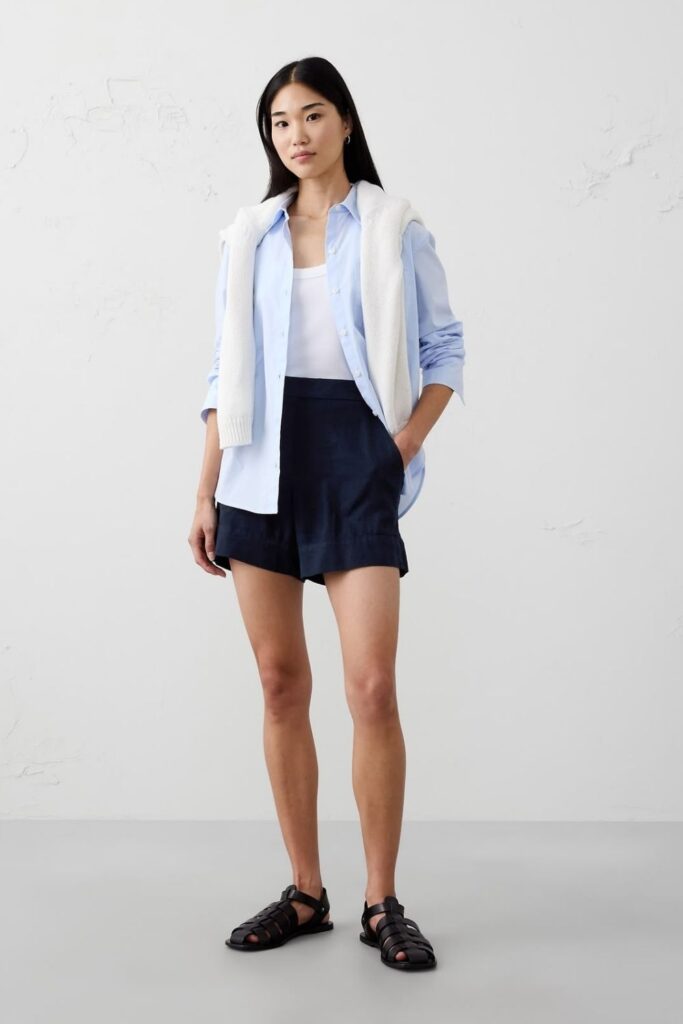
Petite figures are often told to avoid oversized pieces entirely but that’s not quite right. An oversized button-down half-tucked into tailored shorts shows enough leg to maintain the vertical proportion while letting the top stay relaxed. Keep shoes with a small heel or a pointed-toe flat to continue the line. It’s low-effort, slightly undone, and completely intentional.
Corset Belt Over a Maxi Dress
You already have the dress. A corset-style belt layered on top transforms it completely. It cinches the waist over fabric that might otherwise fall flat, creates structure where there was none, and adds an editorial layer to the look. This is especially useful for rectangle figures wanting to introduce a waist definition, or for anyone who loves a maxi dress but finds it a little shapeless on its own.
Square-Neck Tank Dress with White Sneakers and a Denim Jacket
The square neckline is doing something the V-neck doesn’t: instead of drawing the eye down, it draws it across which is ideal for anyone with a shorter torso or a fuller bust wanting to create a clean horizontal frame at the top. Keep it casual with white sneakers and a denim jacket left open, and you have a look that’s genuinely wearable five days a week.
Read More About: 54 Outfit Ideas by Occasion That Actually Make Getting Dressed Easy
Asymmetric Hem Skirt with a Tucked-In Simple Tee
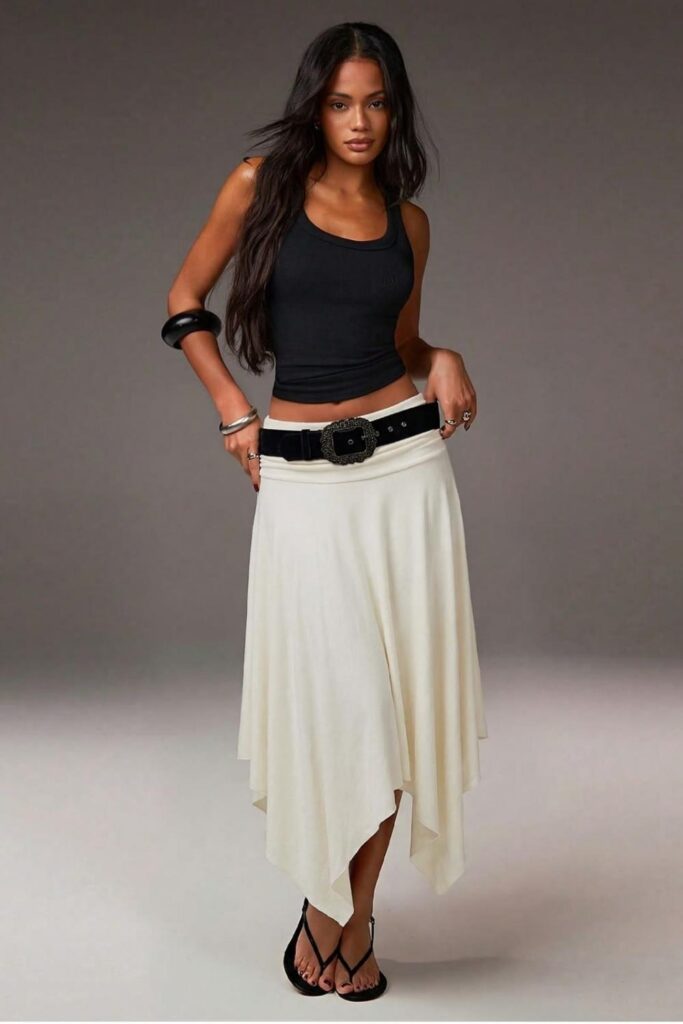
An asymmetric hem creates a diagonal line across the lower body which is one of the most visually dynamic things you can introduce into an outfit. It breaks the horizontal plane of the hip and draws the eye in a new direction entirely. Keep everything else minimal: a plain tee tucked in, simple sandals or ankle boots. The skirt is already doing more than enough.
Belted Trench Coat as a Complete Outfit
A classic trench coat, properly belted at the waist, is probably the single most universally flattering piece in fashion. The double-breasted front creates a long vertical line, the belt defines the waist, and the structured shoulders frame the body from the top down. Worn over minimal basics or even as a full outfit with just wide-leg trousers visible beneath, it works for absolutely every body type and it never goes out of style.
How to Choose the Right Body Type Styling Approach for You
Body type styling in 2026 has moved away from rigid categories like “you are a pear, wear this” and toward a more proportions-based approach. Instead of labeling yourself, start by identifying the areas you want to highlight and the areas you want to draw less attention to. From there, the rules become much simpler:
Highlight with fit and color. Fitted clothing and brighter or lighter shades draw the eye toward that area. Use this intentionally.
Create length with vertical lines. Monochrome dressing, long cardigans, longline coats, and V-necks all create uninterrupted vertical lines the most elongating thing you can do without wearing heels.
Define the waist if you want curves. Belts, wrap ties, tucked-in tops, and high-waisted bottoms all create or enhance waist definition. If your figure is straighter and you want curve, these are your tools.
Balance width at both ends. If one area is wider, adding some visual weight to the other end creates symmetry and makes the overall silhouette feel intentional rather than accidental.
Common Body Type Styling Mistakes to Avoid
Dressing for the body you want, not the body you have. This sounds harsh, but wearing clothes that fit your current shape always looks better than squeezing into a size down or hiding under a size up.
Avoiding all pattern or print. Prints aren’t the enemy placement is. A print on the half you want to highlight actually looks great. It’s only when prints are everywhere that proportions get lost.
Ignoring fabric weight. Lightweight fabrics like chiffon and thin jersey add volume wherever they’re worn. Structured fabrics like denim, ponte, and crepe hold their shape and skim the body without adding bulk. Choosing the wrong weight for the wrong area is one of the most common styling mistakes.
Skipping the belt. So many outfits would immediately look more intentional with a simple belt at the waist. It’s the one accessory that does more structural work than any other.
Following a rigid formula. Body type guidelines are starting points, not rules. If something makes you feel confident and looks good on you, that’s the only rule that actually matters.
Body Type Styling Quick Reference Table
| Silhouette / Technique | Best For | Why It Works | Key Tip |
| High-Waist + Wide Leg | Most body types | Creates long, vertical leg line | Keep the top fitted and tucked |
| Wrap Dress / Wrap Top | Pear, Hourglass | Adjustable fit, defines waist | Choose a midi length for max elongation |
| Monochromatic Dressing | All body types | Unbroken vertical line = instant length | Tone-on-tone counts exact match not required |
| A-Line Skirt | Pear, Rectangle | Skims hips, adds lower volume | Pair with a fitted top to keep balance |
| Longline Coat / Cardigan | All body types | Strong vertical center line | Keep everything underneath slim |
| Corset Belt Over Dress | Rectangle, Hourglass | Introduces or enhances waist definition | Works over maxi dresses, blazers, even oversized tops |
| Cropped Top + High-Rise | Petite, Athletic | Shows waist, creates proportion break | Crop should hit at natural waist, not above |
| Balloon Sleeve Top | Inverted Triangle | Works with broad shoulders, not against them | Pair with straight-leg trousers for balance |
Key Takeaways
- Proportion is everything. The goal isn’t to hide your shape it’s to create visual balance between your top and bottom half.
- Monochromatic dressing is the easiest elongating trick you’re probably underusing. It works on every single body type.
- Fabric weight matters as much as silhouette. Structured fabrics skim; lightweight fabrics add. Choose based on where you want each effect.
- A belt is the most underrated styling tool. It transforms shapeless pieces into intentional outfits in under ten seconds.
- Body type categories are a starting point, not a life sentence. Proportions change, preferences change, and confidence changes everything.
- Start with the areas you want to highlight. Build outward from there instead of starting with what to minimize.
FAQ’s
What is body type styling and why does it matter?
Body type styling is the practice of choosing clothing silhouettes, proportions, and details that work with your natural shape rather than against it. It matters because the right fit and silhouette can make any outfit look more intentional, polished, and flattering regardless of size or weight.
What are the main body types in fashion styling?
The most commonly referenced body types are hourglass (balanced shoulders and hips with a defined waist), pear (narrower shoulders, fuller hips), apple (fuller midsection with slimmer legs), rectangle (similar measurements throughout with less waist definition), and inverted triangle (broader shoulders with narrower hips). These are guidelines, not strict categories most people fall somewhere between two types.
How do I dress to look taller and slimmer regardless of body type?
Monochromatic dressing \wearing one color head to toe is the most effective technique for creating an elongated silhouette. V-necks, longline layers, high-waisted bottoms, and vertical stripes all reinforce that upward line. Avoid strong horizontal breaks between top and bottom, like a stark white shirt with black trousers.
Can I wear oversized clothing if I have a petite or curvy figure?
Yes with intention. The key is balancing one oversized piece with something fitted on the other half. A petite figure can wear an oversized blazer beautifully with slim trousers or tailored shorts. A curvy figure can pull off an oversized top with a structured skirt. The problem only arises when every piece is voluminous at once.
What clothing silhouettes work best for apple body types?
Apple shapes benefit most from styles that draw the eye upward and away from the midsection think V-necks, off-shoulder tops, and statement sleeves at the top. Peplum tops, empire waist dresses, and wrap styles create the illusion of a waist. Slim-cut trousers or straight-leg jeans with a heel elongate the leg and balance the overall silhouette.
What’s the difference between body type styling and size-inclusive styling?
Body type styling focuses on proportions and visual balance regardless of size it’s about how a silhouette sits on your frame. Size-inclusive styling is about ensuring clothing is available, flattering, and designed for a full range of body sizes. The two work together: good body type styling principles apply across all sizes, and size-inclusive fashion makes those options genuinely accessible.
Is body type styling still relevant in 2026?
Yes though the approach has shifted. The rigid “dress for your body type” rules of the past have been replaced by a more flexible proportions-based framework. The goal today is less about hiding certain areas and more about intentional balance and personal confidence. Understanding basic proportion principles still makes getting dressed faster and more effective, regardless of trend cycles.
Conclusion
Body type styling isn’t about following a set of rules designed to make you feel like something needs to be “fixed.” It’s about understanding your proportions well enough to make confident choices and then breaking the rules whenever you feel like it. The ideas in this guide are tools, not requirements.
The looks that tend to work best are the ones you actually want to wear. A technically “balanced” outfit that you hate putting on will always look worse than something you feel genuinely good in. So start here, try what resonates, save what you’ll actually use, and go from there. Your wardrobe should feel like yours not like a style formula someone else handed you.