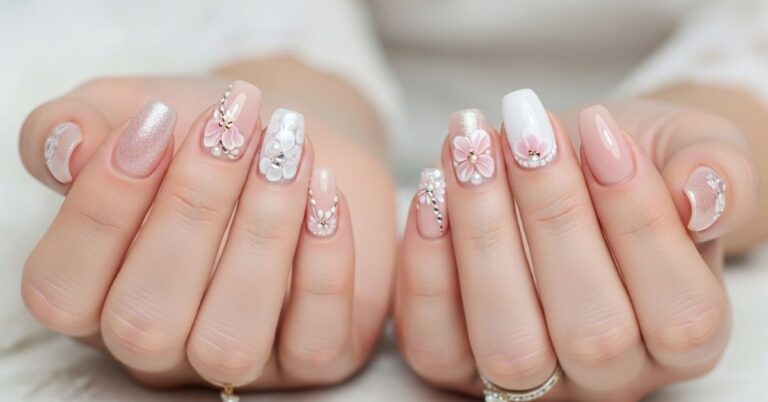

40 Best Marble Nail Art Ideas That Look Expensive But Are Easier Than You Think
Swirling white and gray, a hint of gold threading through like veins in stone before you even know what you’re looking at, you want it on your nails. That’s the quiet power of marble nail art. It looks like something you’d find on a gallery floor or a luxury countertop, yet somehow it works just as beautifully on a Tuesday afternoon when you’re doing absolutely nothing important.
If your style leans clean and elevated or even if it doesn’t and you just want nails that make people ask “where did you get those done?” marble nail art is genuinely one of the most versatile choices out there. It works on short nails, long nails, almond shapes, square tips. It photographs well. It layers with jewelry without competing. And in 2026, the designs have evolved far beyond the basic white-and-gray swirl most people picture.
This list covers 33 fresh takes from the understated to the dramatic so whether your mornings are rushed or you have an entire Sunday afternoon to yourself, there’s something here worth saving.
Classic White and Gray Swirl on Nude Base
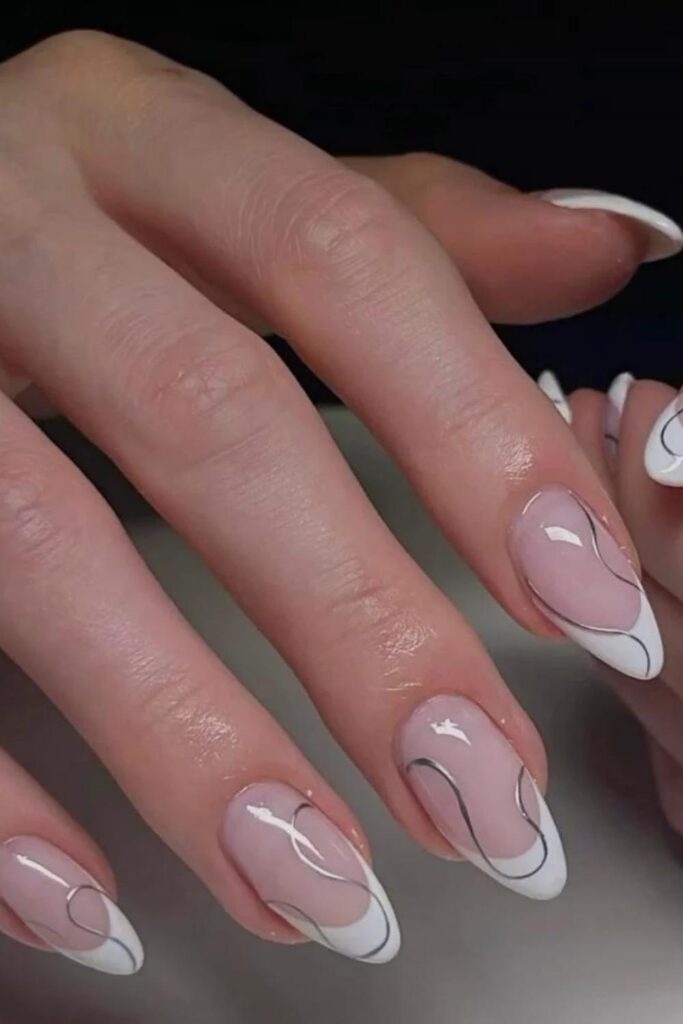
Some looks exist because they’re simply perfect, and this is one of them. A soft nude base think barely-there beige or warm ivory with fine gray veining swept diagonally across each nail. The contrast is subtle enough to feel elegant but distinct enough to actually read as marble. In my experience, this works best when the veins are kept thin and irregular rather than wide and uniform. Real marble doesn’t follow straight lines, and neither should your nails. You’ll probably find yourself coming back to this one more than any other on this list.
Black Marble with Gold Foil Veins
This is the kind of nail look that photographs like it costs something. A deep matte or semi-gloss black base, then gold foil pressed in at irregular angles to mimic natural stone veining. The foil catches light differently depending on how it’s applied some patches stay flat, others almost shimmer which gives it that unpredictable, organic quality that makes marble so compelling. Wear this with minimal jewelry, because the nails are already doing enough talking.
Soft Lavender Marble with Silver Threading
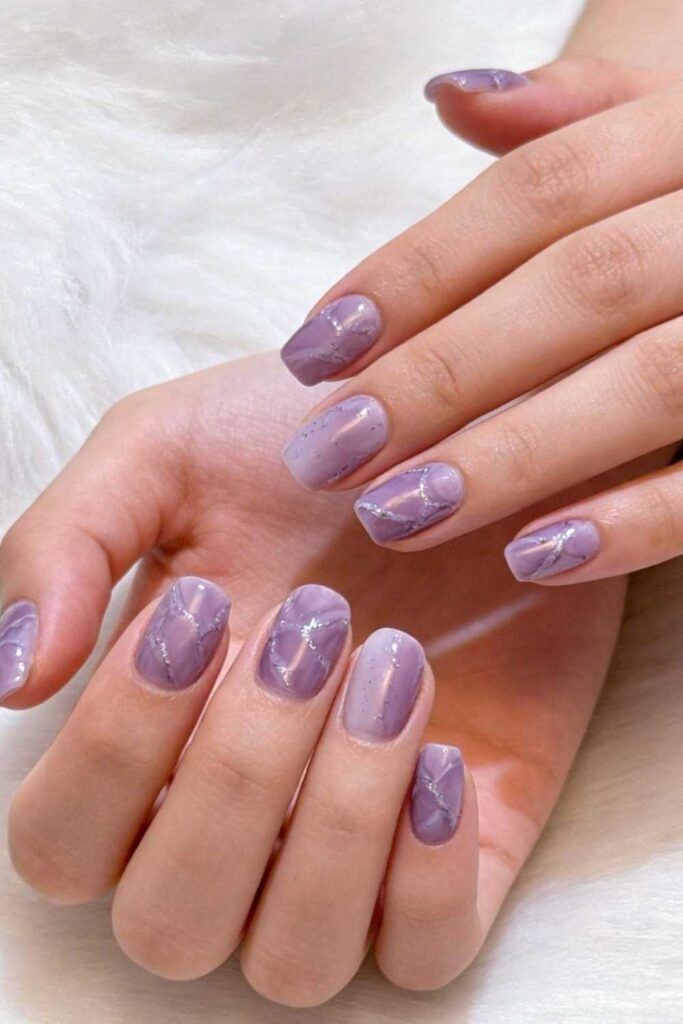
Not every marble nail art look needs to stay in the gray and white family. A pale lavender base with soft white and silver swirls feels dreamy without being childish it’s the kind of color that works surprisingly well in professional settings because the marble pattern grounds it. The silver threading catches light the same way a fine chain bracelet does. Understated, but people will definitely notice.
Dusty Rose Marble on a Milky Pink Base
Honestly, this one tends to get underestimated because pink nails feel familiar. But when the base is a soft milky pink and the veining is done in slightly deeper rose and barely-there white, the result is something much more refined than your average pink manicure. It’s feminine without being loud, and the marble texture adds enough complexity to keep it interesting. A good one for anyone who loves pink but wants something with a little more going on.
Deep Forest Green Marble with Bronze Accents
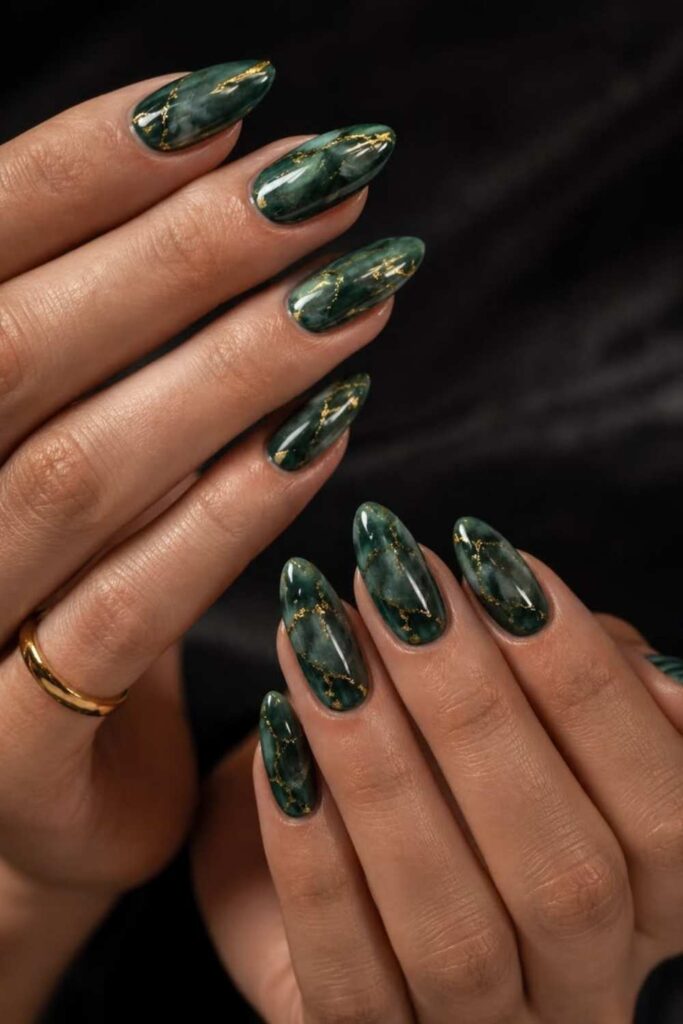
This is the moment to try green marble if you’ve been curious. Deep forest or hunter green as the base, with bronze or warm-toned veining that echoes the look of malachite the semi-precious stone known for its dramatic circular patterns. Most people associate marble with white and gray, but colored marble looks have been gaining serious traction and this version in particular feels rich and unexpected. Pair it with gold rings and it becomes something genuinely special.
Minimalist Single-Vein White Marble
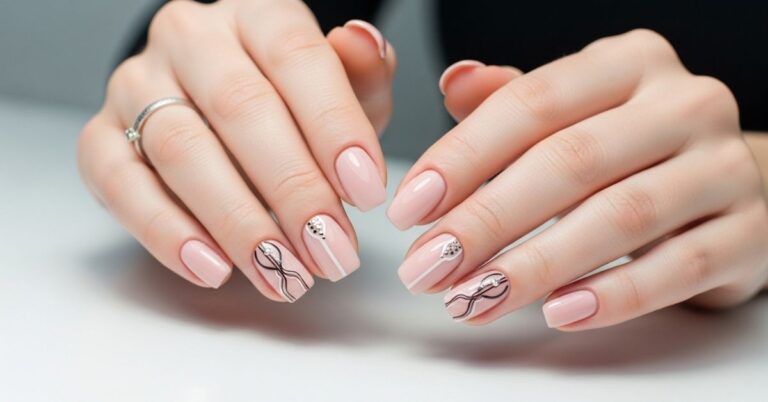
If you want something low-effort but put-together, this is it. Instead of layering multiple veins across the full nail, one single delicate line sweeps across each nail at a slightly different angle. That’s the entire design. It’s clean, it’s quick, and it reads as intentional rather than bare. The trick is keeping the line thin almost hair-fine and varying the angle slightly on each nail so it doesn’t look mechanical.
Translucent Jelly Marble in Soft Blue
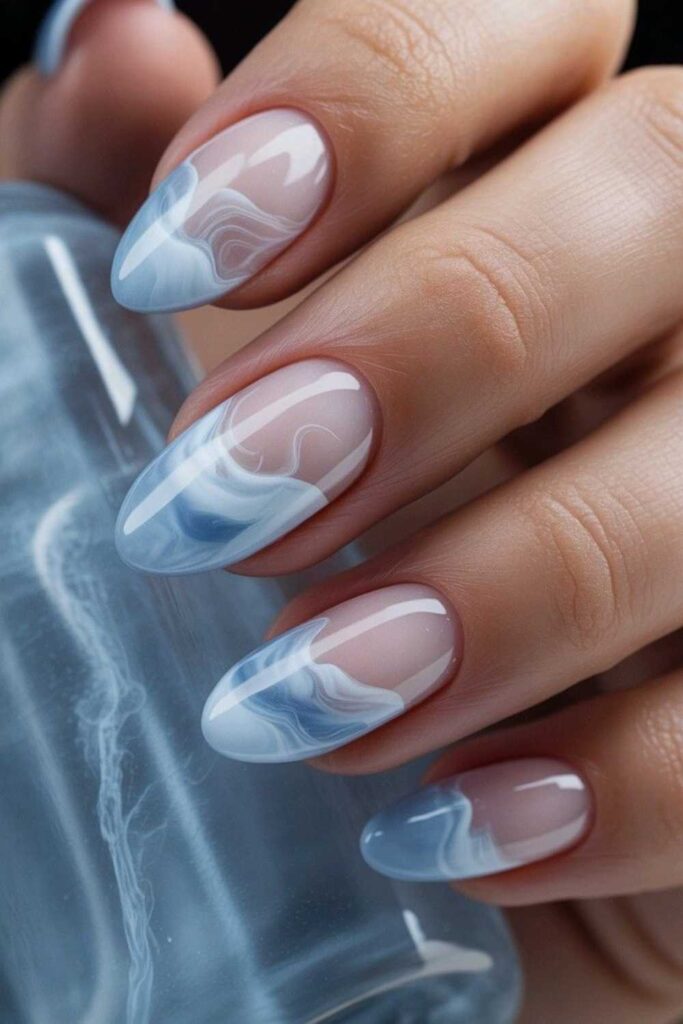
A jelly finish is exactly what it sounds like a sheer, slightly squishy-looking base that lets the nail beneath peek through. When you do marble nail art over a soft blue jelly base, the result is almost watercolor-like. The veining blurs slightly at the edges rather than staying crisp, which gives it an airy, almost impressionistic quality. This one is particularly good on shorter nails because the softness of the finish balances out the design.
Warm Terracotta Marble with Cream Veining
Earthy tones have had a long run in interiors, and now they’ve fully crossed over into nails. A terracotta or burnt sienna base with cream and off-white veining references the look of natural sandstone similar to marble, but warmer and more organic. It’s the kind of nail that works effortlessly in autumn but honestly doesn’t look out of place in any season. I’ve noticed this style tends to photograph particularly warm and rich, especially outdoors.
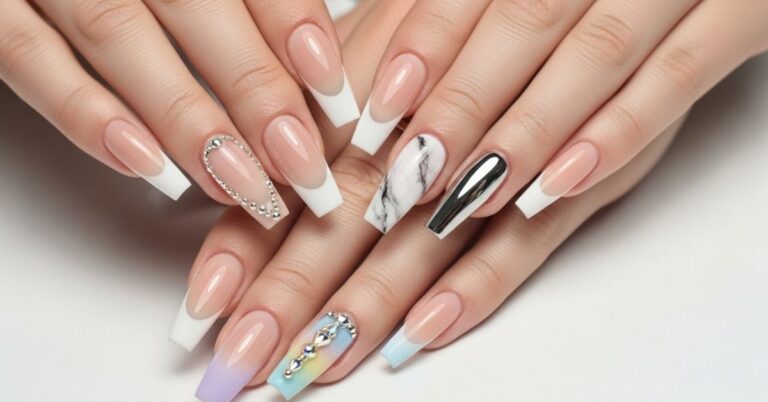
French Tip Meets Marble White Marble Tips
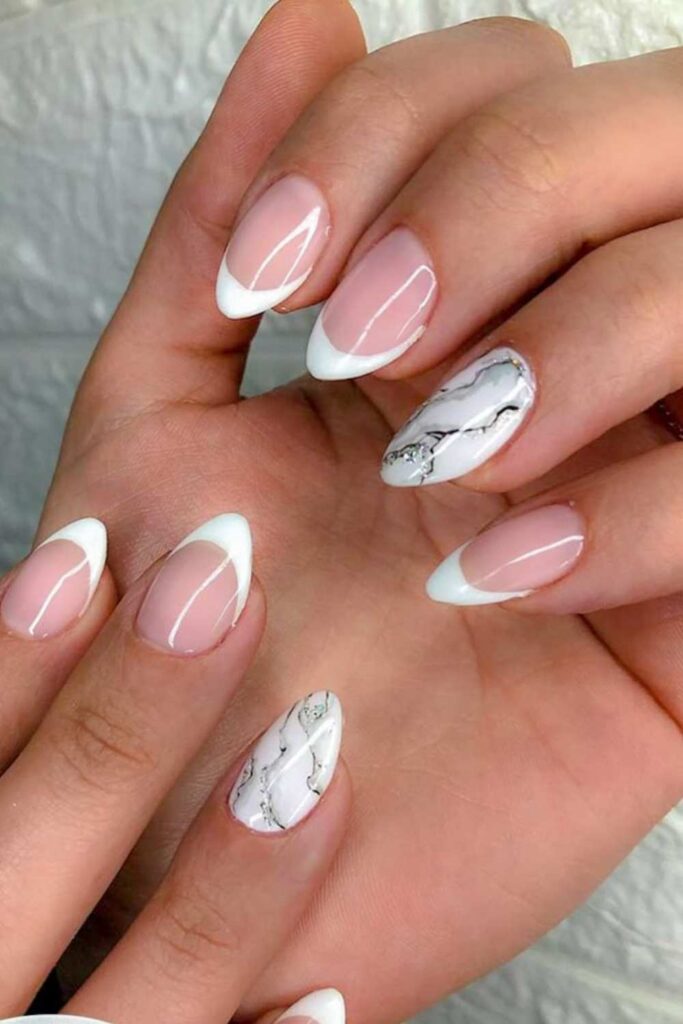
Take the classic French tip and swap the clean white edge for a mini marble nail art effect just at the tip. The rest of the nail stays nude or soft pink. It’s a hybrid look that feels modern because it keeps the structural elegance of a French but adds just enough texture to feel fresh. This is also one of those designs that’s far simpler to recreate than it looks the marble section is small, so there’s less room for anything to go wrong.
Charcoal and White Marble on Long Almond Nails
The almond shape gives marble veining more surface area to work with, and charcoal-toned marble takes advantage of every millimeter. Where white marble feels light and airy, charcoal marble feels architectural like a polished slab in a very expensive hotel lobby. The veins here should stay white or very light gray to create real contrast. This one always works. No overthinking required.
Iridescent Pearl Marble
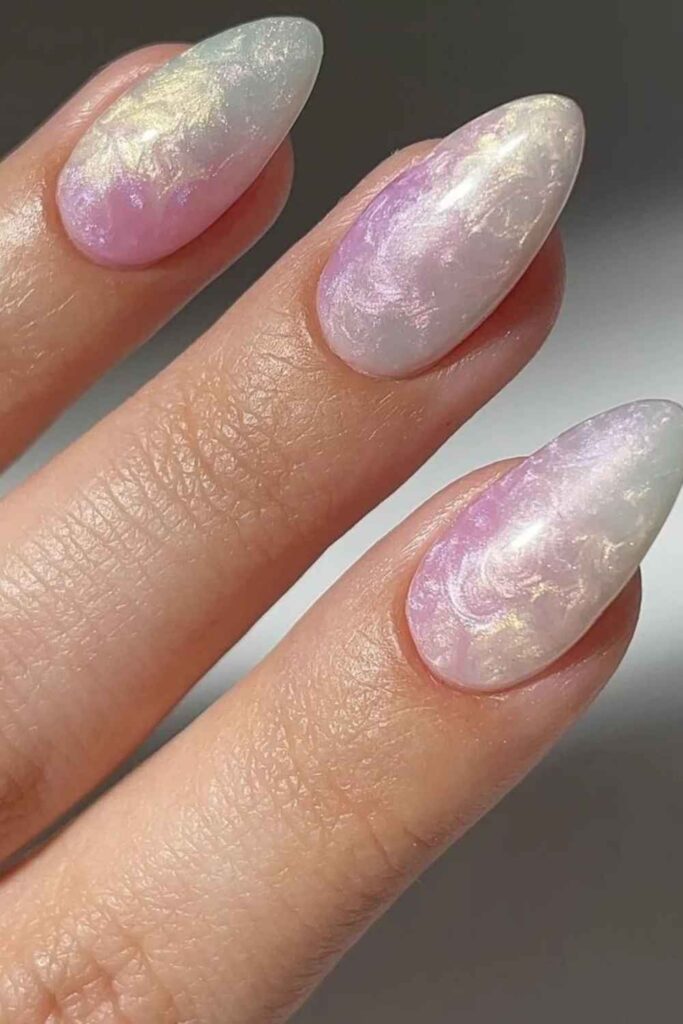
A pearl or opalescent base acts almost like a mood board for the rest of the design the color shifts slightly depending on the light, which means the marble veining on top appears to change too. White and very pale gray veins disappear into the base in low light and pop in bright sunlight. It’s one of those looks that’s subtle in person but absolutely stunning in photos. The kind of nail that gets saved 50,000 times for a reason.
Navy and White Marble Nautical Meets Luxury
Navy is one of those base colors that makes everything look more expensive, and marble nail art in navy is no exception. White veining on a rich navy base creates a look that references classic blue-and-white porcelain a surprisingly wearable combination that feels both timeless and current. It’s a strong choice for anyone who loves bold color but wants the design to feel refined rather than loud.
Nude Marble with Thin Gold Line Accents
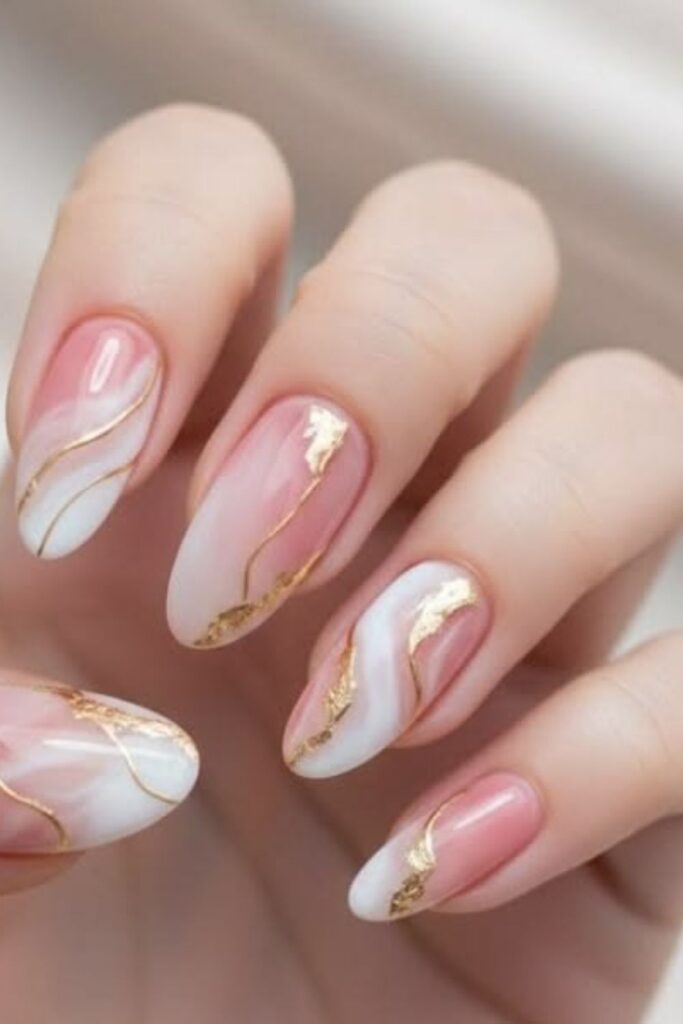
This is a detail most people skip, and they shouldn’t. After completing a classic nude marble design, running a single ultra-thin gold line along one or two of the veins elevates the entire look. Not over every vein just one or two, chosen strategically. The gold doesn’t overpower; it just catches the light at moments you’re not expecting, which is exactly the kind of subtle detail that makes a manicure feel custom.
Matte Gray Marble The No-Shine Version
There’s something satisfying about marble nail art done entirely in matte. The typical glossy seal coat gets replaced with a matte topcoat, which flattens the finish and makes the veining look almost hand-painted. The result is quieter and more editorial than the shiny version less “spa manicure,” more “art gallery.” If you’ve done marble nails before and want to try something that feels slightly different, changing just the finish is the simplest place to start.
Sage Green Marble on Short Square Nails
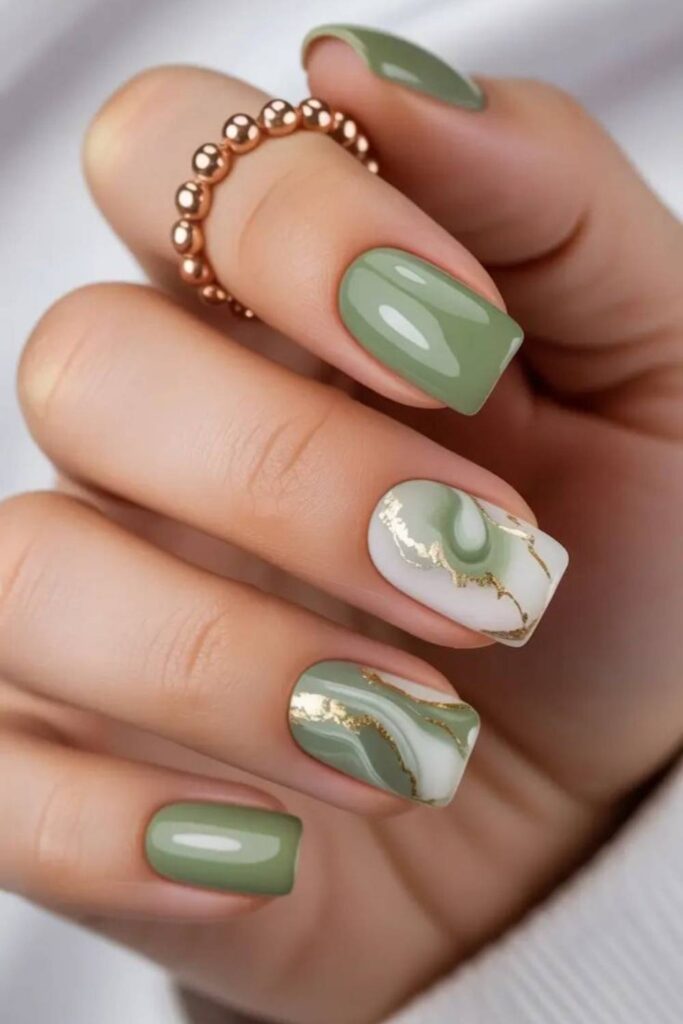
Short nails and marble might feel like a mismatch, but this combination proves otherwise. Sage green soft, slightly grayed, earthy as the base, with white and pale gray veining kept fine and minimal. The design doesn’t need to be elaborate to work on shorter nails; in fact, the smaller the nail, the more intentional the restraint needs to be. One clean vein across each nail is more effective than three competing ones.
Chocolate Brown Marble with Cream Swirls
Brown nails had a big comeback and this version leans fully into the elevated side of that trend. A rich chocolate or espresso brown base with cream and warm white veining creates a look that’s moody but still wearable in any professional setting. It photographs beautifully against skin and pairs naturally with warm-toned jewelry. This is one I’d actually recommend trying first if you’re hesitant about stepping away from neutral marble tones.
Read More About: 32 Red Acrylic Nail Designs That Always Look Like You Just Left the Salon
White Marble with Tortoiseshell Detail
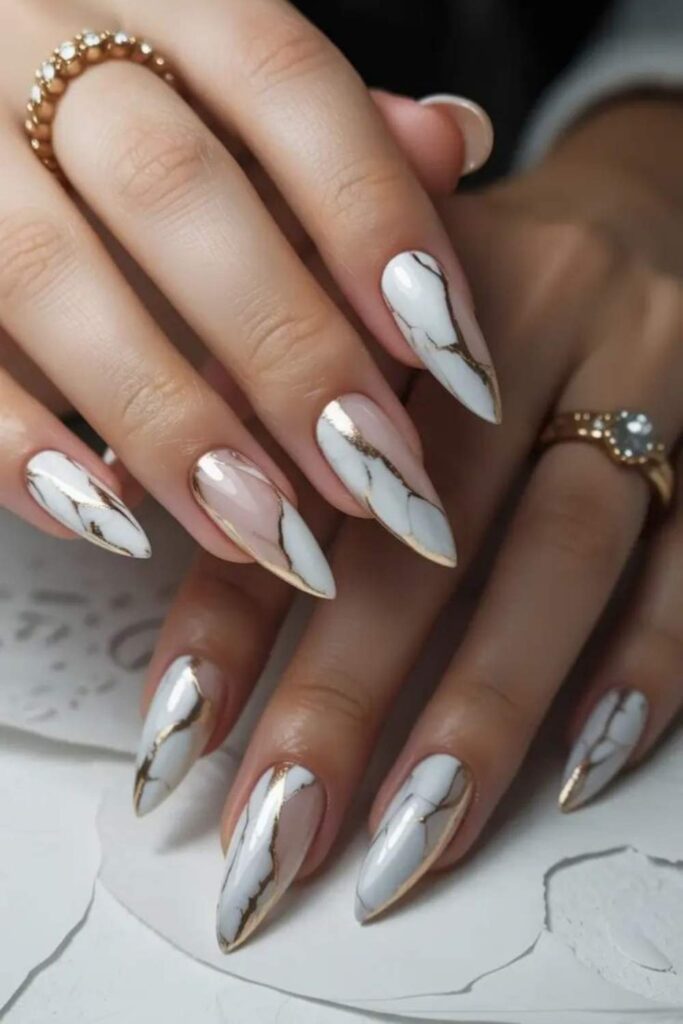
Marble and tortoiseshell are two very different textures that somehow work together when handled carefully. A white marble base with one or two nails featuring a tortoiseshell accent in amber and brown creates a mix-and-match effect that looks curated rather than random. The key is keeping the tortoiseshell on just one or two nails if you cover all five fingers, it competes with the marble instead of complementing it.
Gray Marble Ombre Where Stone Meets Gradient
Start with a deep charcoal at the base of the nail and fade into soft white or light gray toward the tip, then layer fine veining over the gradient. The ombre adds depth that flat marble doesn’t have it looks like light is actually passing through the stone from one end. This is one of those designs where the construction is visible, and that’s part of the appeal.
Rose Gold Marble on Blush Base
If there’s a marble combination designed specifically for the person who loves warmth in everything they wear, this is it. A soft blush base somewhere between pale pink and warm beige with rose gold and white veining. The rose gold references the metallic without going full chrome, and the blush underneath keeps the overall effect feminine and soft. Easy to wear, hard to get wrong.
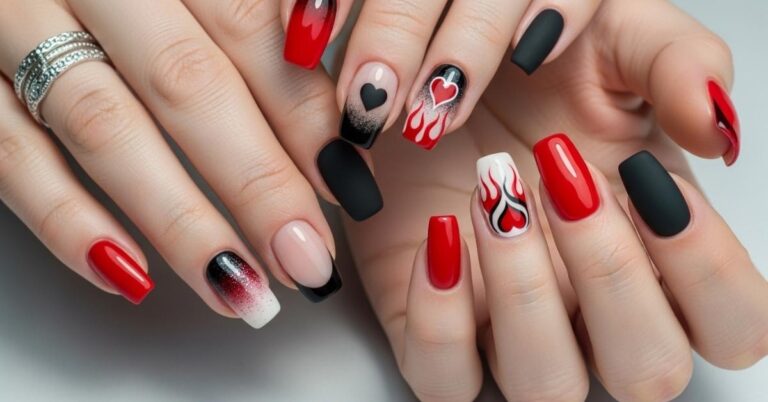
Bold Red Marble with Black Veining
Red nails are classic. Red marble nails are something else entirely. A saturated red base with black veining kept fine and elegant creates a look that’s dramatic but controlled. The veining does the work of making it feel sophisticated rather than just loud. If red nails ever felt too simple for what you were going for, this version fixes that immediately.
Soft Aqua Marble Caribbean Stone Vibes
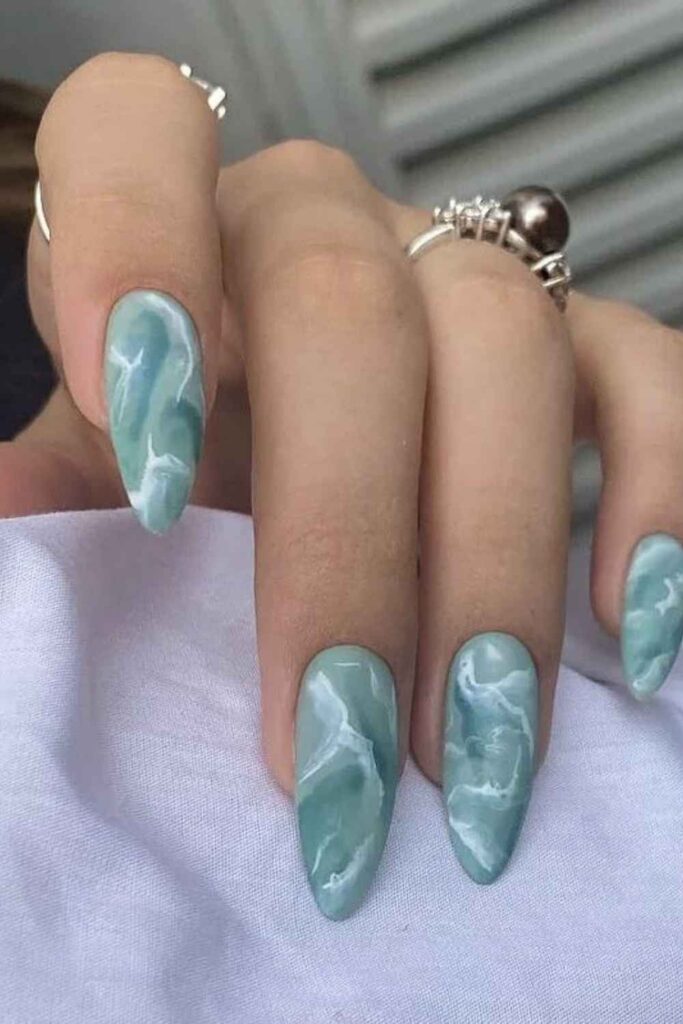
Aqua or turquoise marble references the look of amazonite or sea glass stones that feel naturally joyful without being garish. White and very pale gray veining on an aqua base keeps it cohesive, and the overall effect is fresh and summery without being obviously seasonal. You can wear this in December and it won’t look out of place.
Monochrome White-on-White Marble
Looks simple, but the effect is surprisingly elevated. A white base with barely-off-white veining just slightly more cream or slightly more cool creates a tonal marble effect that’s almost impossible to notice at a glance but impossible to stop looking at up close. The subtlety is the point. It’s the kind of manicure that works every single time without overthinking it.
Ink Marble Abstract Watercolor on Nails
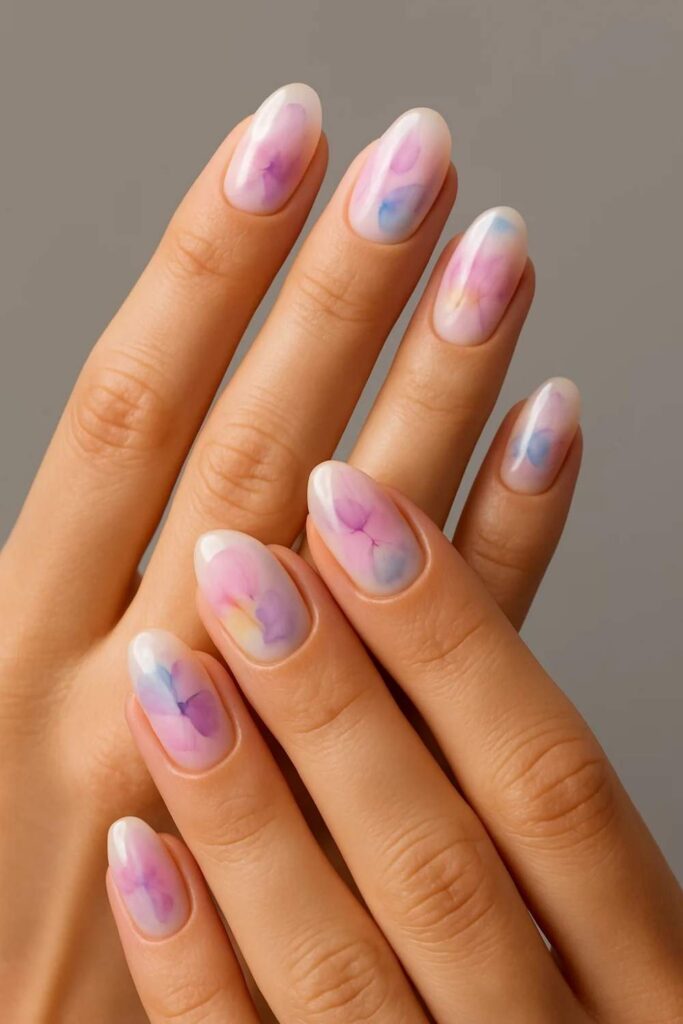
This version takes inspiration from the Japanese art of Suminagashi ink floating on water. Instead of traditional veining, the design features loose, fluid swirls in dark navy, black, or deep gray on a white base, as if ink was dropped and then spread. It’s more abstract than classic marble but keeps the same organic, flowing quality. Not an everyday look, but a genuinely striking one for anyone who likes their nails to start conversations.
Gold Marble Fully Gilded Stone
Go full gold. A soft gold or champagne base with slightly deeper amber and cream veining makes every nail look like a piece of carved onyx or tiger’s eye. This isn’t for subtle days it’s for the moments when you want your hands to be the most interesting thing in the room. Interestingly, this look actually works better on shorter nails than people expect, because the gold base catches light even without the extra length to show it off.
Ice Blue Marble Winter Without the Cold
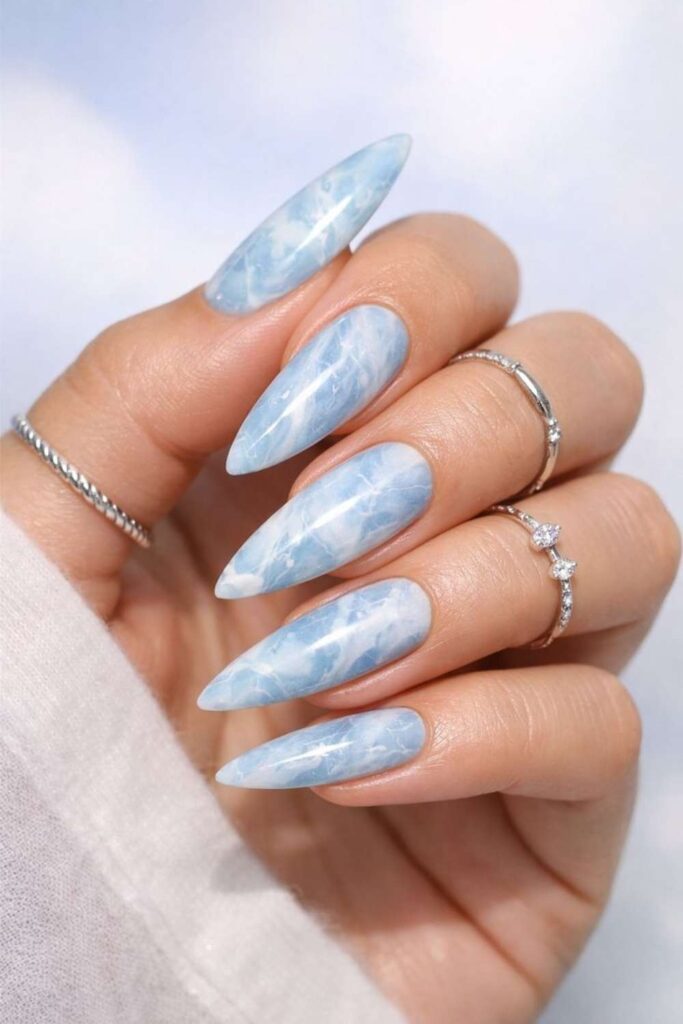
A very pale, almost white blue as the base think the color of ice in sunlight with white and silver-gray veining. The effect is cool, clean, and strangely timeless. This is the exact moment to try ice blue marble if you’ve been tempted, because cool-toned nails are moving strongly through 2026 and this version is versatile enough to carry you into any season.
Purple Amethyst Marble
Deep purple somewhere between plum and violet with white and light lavender veining that references actual amethyst crystal rather than traditional marble. The crystal reference matters here: the veining should feel like light fracturing through stone, not just lines on a colored surface. A matte topcoat makes this look particularly rich and mineral.
Taupe Marble with Barely-There Veining
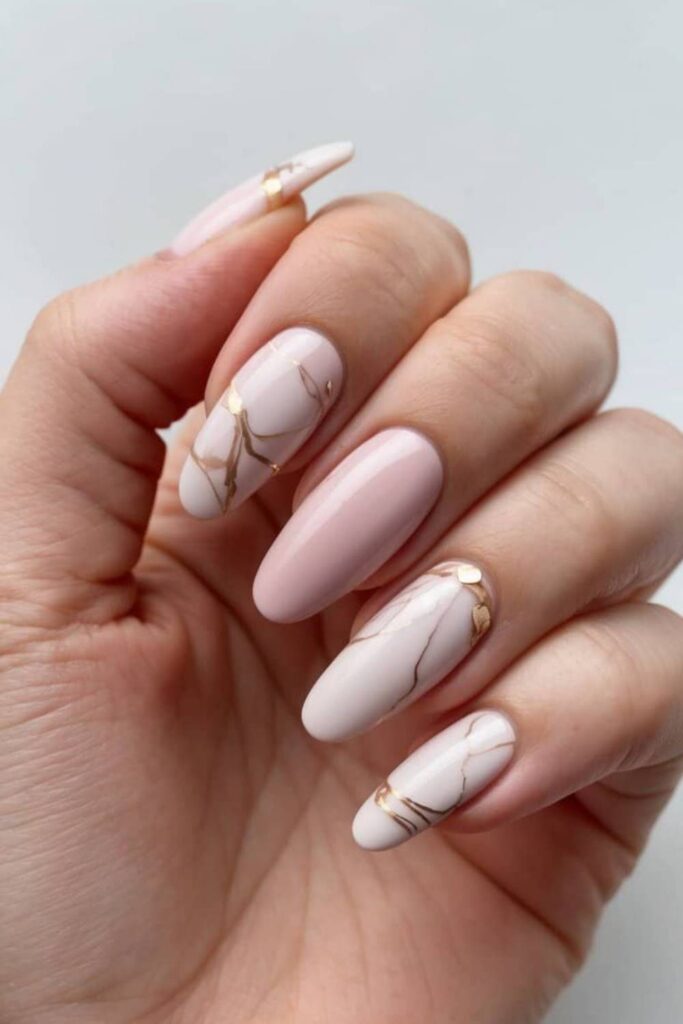
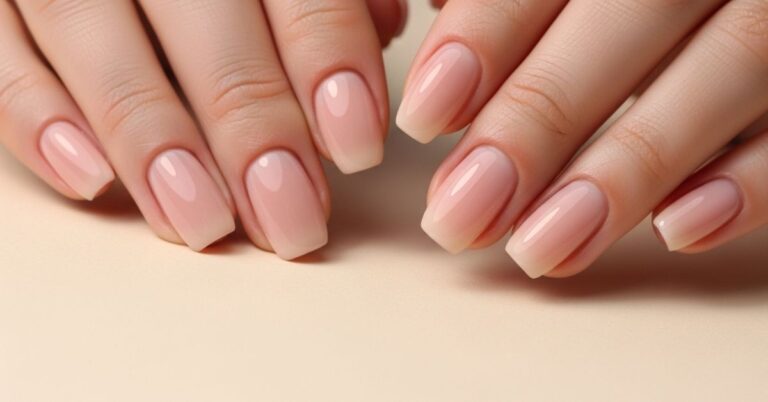
If neutral is your default but you want something with more dimension than a solid manicure, taupe marble is the answer. Warm, muted, neither too pink nor too gray, taupe functions as an elevated neutral that works with almost every outfit and skin tone. The veining should be kept very subtle cream or slightly cooler gray so the overall read stays quiet and refined. Low maintenance but still looks polished. You’ll keep coming back to this one.
Split Marble Half Design, Half Negative Space
Each nail gets marble treatment on only one half, with the other half left bare either natural or with a sheer topcoat. The dividing line between the two halves can be clean and geometric or softly blurred. This version leans into negative space in a way that feels more editorial than accidental, and it’s genuinely easier to apply than a full-nail design because you’re covering less surface area.
Autumn Rust Marble with Olive Veining
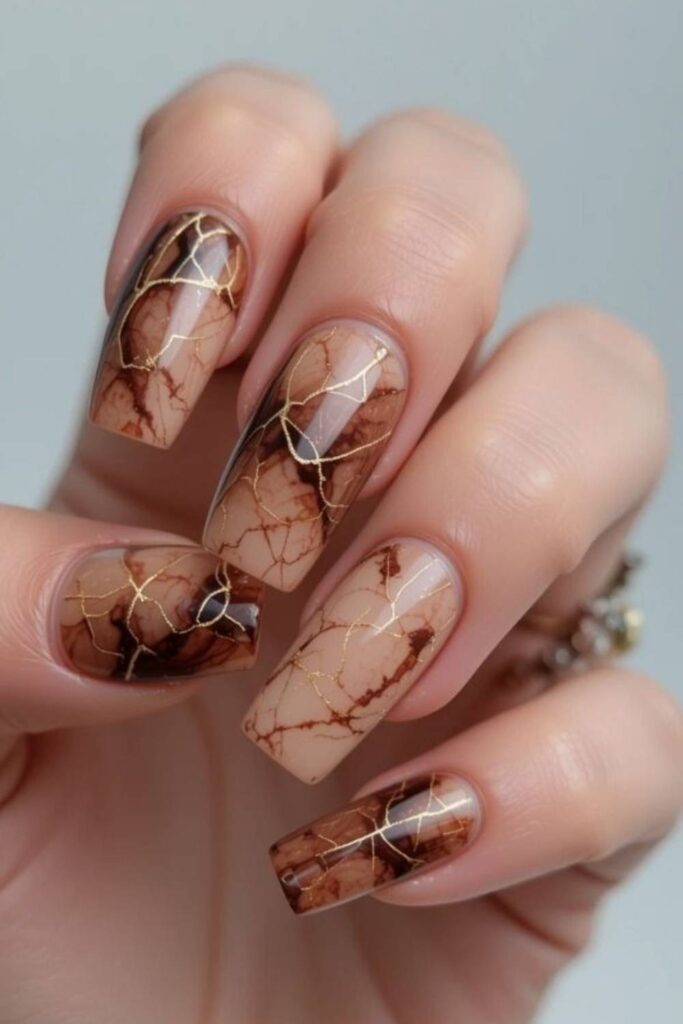
Rust and olive together read as fall without the expected burgundy-and-orange combination. A deep rust or burnt orange base with olive, cream, and warm brown veining creates something that feels painterly and warm. It’s a less common color combination for marble nail art, which is exactly why it works it still has the texture and elegance of marble but in a palette that feels fresh.
Chrome Marble Mirror Finish Stone
A chrome or mirror-effect finish applied over a marble design takes the look into fully futuristic territory. The veining catches the chrome and reflects it differently depending on the angle, making each nail look almost three-dimensional. This is a nail salon service more than a home technique achieving true chrome finish requires a specific powder and application method but it’s worth knowing this variation exists, because most people don’t realize it’s possible.
Sage and Cream Tonal Marble
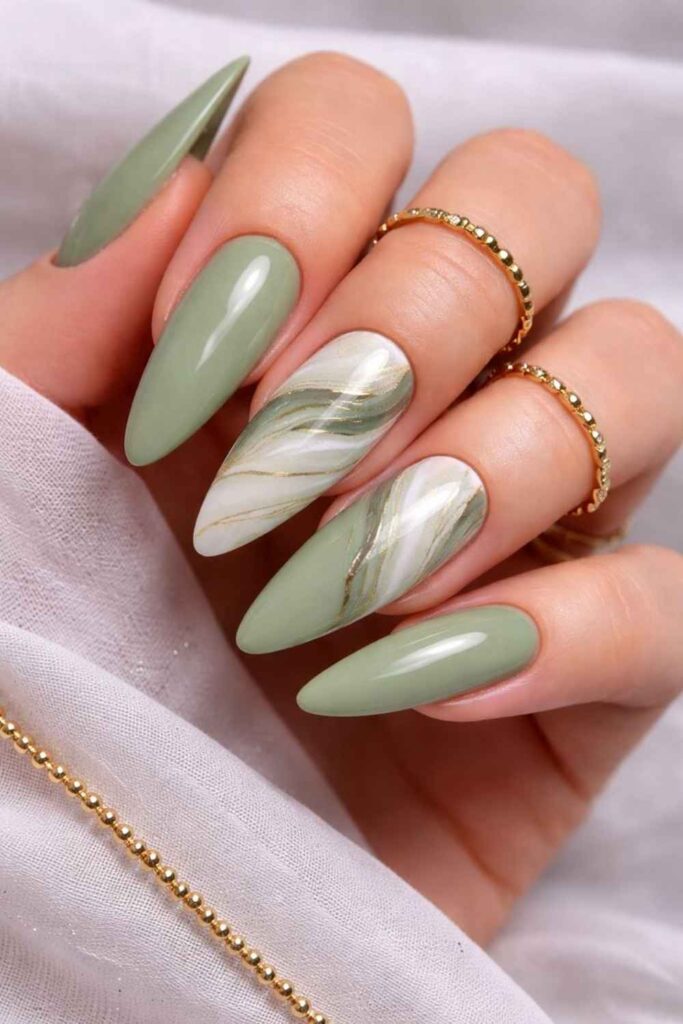
A design built entirely from closely related tones sage green base, cream veining, and soft white highlights with no strong contrast anywhere in the palette. The result is gentle and organic, like something found in nature rather than designed. It’s a particularly good choice for anyone who finds most marble designs too stark or too dramatic. Everything here stays soft.
Milk Marble Translucent with Inner Glow
Similar to the jelly finish mentioned earlier, milk marble uses a sheer white or off-white base that lets the natural nail show through, then adds very fine white and pale gray veining on top. The translucency gives the whole design a lit-from-within quality the same effect you get from expensive semi-precious stone that catches light from below. Delicate, quiet, and genuinely beautiful on every nail length and shape.
Read More About: 25 Square French Tip Acrylic Nails That Look Expensive Without Trying
Geometric Marble Stone Meets Structure
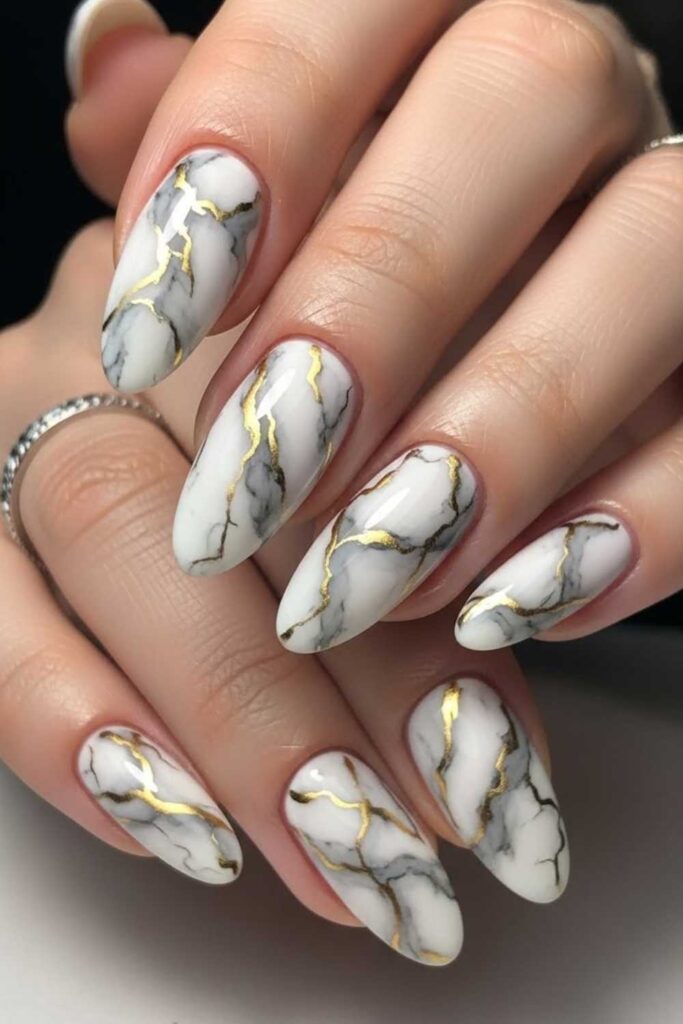
The final evolution: marble nail art contained within a geometric shape. A triangle, a rectangle, or a diamond of marble sits centered on an otherwise bare or nude nail, framed by negative space. The geometric boundary gives the fluid marble pattern a sense of structure that feels deliberate and contemporary. It’s the most architectural look on this list, and the contrast between organic marble texture and clean geometric edges is what makes it work.
How to Choose the Right Marble Nail Art for You
The sheer number of marble options can be overwhelming, so here’s a practical way to narrow it down. Start with your base color instinct are you drawn to warm tones, cool tones, or neutrals? That alone eliminates most of the confusion. If you love neutrals, white, taupe, and nude marble are your entry points. If you lean warm, consider terracotta, rose gold, rust, or brown. Cool-toned preferences lead naturally toward navy, ice blue, lavender, and charcoal.
Then consider your lifestyle. If you’re in an environment where nails need to stay relatively conservative, stick to classic marble nail art in nude, white, or taupe they read as refined rather than statement-making. If you have more freedom, the colored and chrome versions are where the real fun happens.
Nail shape matters too. Long almond and coffin nails give veining room to travel and create a full sweep effect. Short square or round nails work best with minimal designs one or two veins rather than five competing lines.
Common Mistakes to Avoid with Marble Nail Art
The biggest mistake is making the veins too thick and too uniform. Real marble has veining that varies in weight thin in places, slightly thicker in others, occasionally branching into finer lines. When every vein is the same width, the result looks painted rather than mineral.
The second common issue is overworking the design. Marble nail art often looks best when it’s done quickly and loosely, hesitation shows up in stiff, over-controlled lines that lose the organic quality entirely. If you’re doing it at home, commit to each stroke and don’t go back to fix it obsessively.
Using too many colors in one design is another frequent misstep. Two or three tones a base plus one or two vein colors is almost always enough. Adding more doesn’t make the design richer; it makes it busier and harder to read as marble rather than just abstract pattern.
Finally, don’t skip the topcoat, and don’t seal with the wrong one. A glossy topcoat over matte veining dulls the contrast. A matte topcoat over chrome destroys the mirror effect. Match your topcoat to the finish you actually want.
Marble Nail Art Style Comparison Table
| Style | Best For | Vibe | Difficulty | Longevity |
| Classic White & Gray | First-timers, everyday wear | Timeless, clean | Easy | High |
| Black & Gold Foil | Statement occasions | Dramatic, luxe | Medium | Medium |
| Colored Marble (green, blue, purple) | Bold palette lovers | Modern, unexpected | Medium | High |
| Matte Marble | Minimalist, editorial style | Quiet, refined | Easy | Medium |
| Chrome Marble | Salon-level finish seekers | Futuristic, mirror | Hard (salon recommended) | Medium |
| Jelly/Translucent Marble | Soft, natural look lovers | Dreamy, airy | Medium | Medium |
| Geometric Marble | Structure-obsessed minimalists | Contemporary, architectural | Medium | High |
| Tonal/Monochrome Marble | Understated elegance | Subtle, sophisticated | Easy | High |
Key Takeaways
- Thin, irregular veining always reads more convincingly as marble than thick, uniform lines vary the weight deliberately.
- Colored marble nail art (green, rust, navy, purple) has moved well past trend status and into fully wearable territory for 2026.
- A matte topcoat is a simple, low-effort way to completely change the feel of a marble design without redoing anything.
- Short nails are not a barrier to marble they actually work best with minimal single-vein designs that look intentional rather than crowded.
- Match your base palette to your existing wardrobe first marble works hardest when it coordinates rather than competes.
- Chrome and foil finishes are the most elevated marble options but also the least forgiving they’re best reserved for occasions or professional application.
Frequently Asked Questions
What is marble nail art and how is it done?
Marble nail art is a nail design technique that mimics the look of natural marble stone typically featuring a colored or neutral base with swirling, vein-like lines in contrasting tones. It’s most commonly achieved using a thin nail art brush or a fine-tipped tool to drag a lighter or darker color across a wet base in irregular, branching strokes. Some versions use water marbling, nail foils, or stamping plates to achieve a similar effect.
Is marble nail art hard to do at home?
Basic marble nail art is genuinely manageable at home the classic white-and-gray version requires only a thin brush, two polishes, and a light hand. The technique actually rewards a loose, imperfect approach more than a controlled one, which makes it more beginner-friendly than it looks. More advanced finishes like chrome marble or water marbling have a steeper learning curve and may be better suited to a salon visit.
How long does marble nail art last?
A professionally applied marble gel manicure typically lasts two to three weeks without significant chipping. At-home polish versions last roughly five to seven days depending on topcoat quality and daily activity. Using a quality gel topcoat and reapplying it every two to three days can extend the life of the design noticeably.
What nail shapes work best with marble nail art?
Marble nail art works on virtually every nail shape, but the effect varies. Long almond and coffin nails give veining the most surface area to create a full sweep effect. Short square and round nails look best with minimal designs one or two veins rather than multiple competing lines. Oval nails sit in a versatile middle ground that suits most marble styles comfortably.
What colors look best for marble nail art in 2026?
The biggest shifts in 2026 marble nail art have been toward colored bases deep forest green, navy, warm terracotta, and dusty lavender have replaced the purely white-and-gray palette as the most-saved options. Warm neutrals like taupe, blush, and nude continue to perform well for everyday wear, while black-and-gold and chrome marble dominate for statement occasions.
Can marble nail art work on short nails?
Absolutely and in some ways it looks better. Shorter nails benefit from restrained marble designs where one clean vein travels across the nail rather than three or four competing lines. A single delicate stroke on a nude or soft base reads as deliberately minimal and elegant, never bare or unfinished.
Is marble nail art still trendy or is it overdone?
Marble nail art has moved from trend to genuine wardrobe staple it’s been popular long enough to shed the “of the moment” feeling and settle into the same category as French tips or nude manicures. What makes it feel current in 2026 is the evolution beyond white-and-gray into colored marble, tonal designs, and finishes like chrome and matte. The basic version will never look dated; the newer variations keep it feeling fresh.
Conclusion
Marble nail art earns its place as a long-term go-to for good reason it’s one of those designs that works harder than it looks like it should. Whether you go for the quietest single-vein version or something as dramatic as black-and-gold chrome, the marble texture adds a quality that a solid color simply can’t replicate.
The best starting point is whatever feels like the smallest step from where you already are. Already wear nude nails? Try nude marble with a single gray vein. Already love a bold color? Apply marble veining in a complementary tone over that same base. The technique scales from barely-there to unmissable depending on exactly how much you want it to say. Pick one idea from this list, save it, and try it you’ll figure out your own version of marble from there.