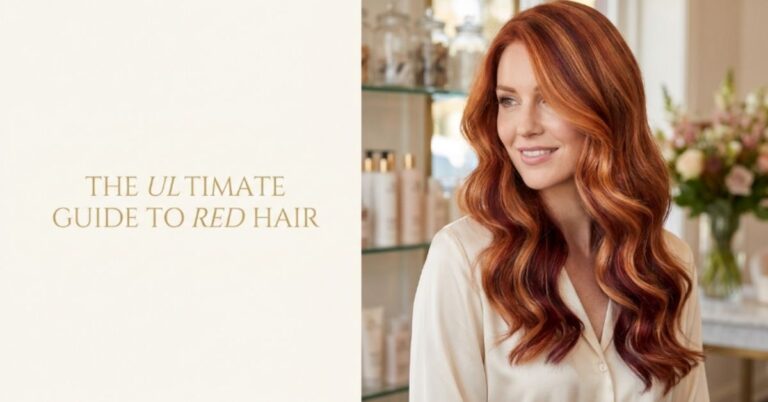
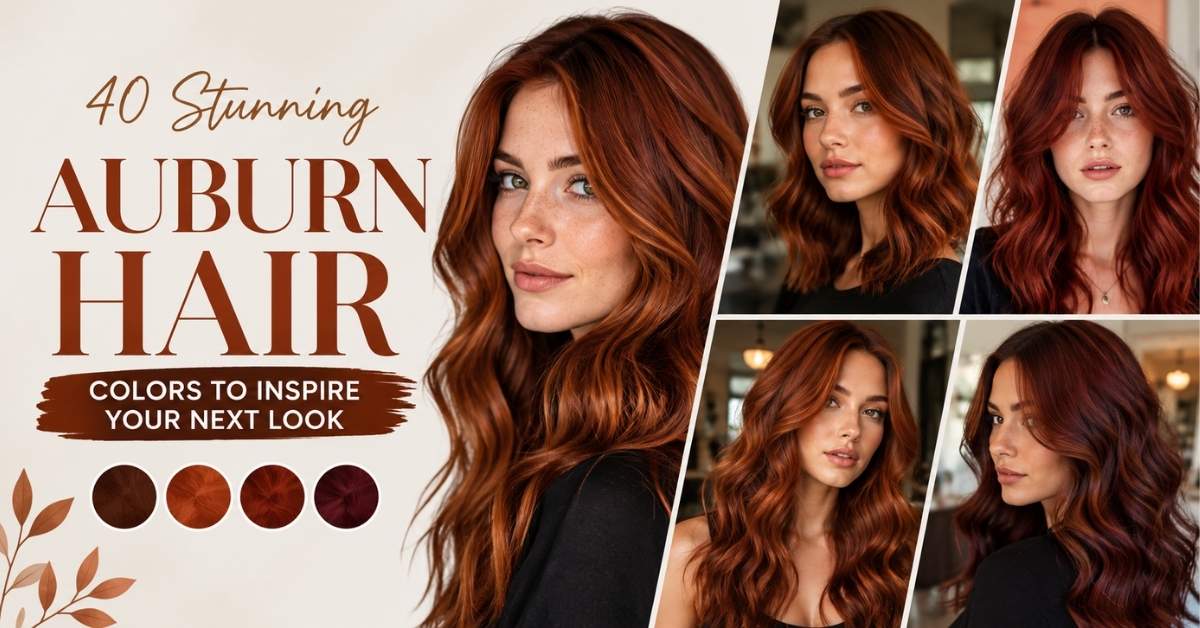
40 Best Auburn Hair Color Ideas: Trending Shades for Every Skin Tone (2026)
Auburn hair never really goes out of style. It just keeps changing shape. One year it’s all copper hair and fiery red hair. Next, everyone wants soft golden brown hair with a whisper of red. But one thing stays true. Auburn hair color is the shade that makes people stop and ask, “wait, is that natural?”
This guide walks you through everything. You’ll learn what auburn really is. You’ll learn how to pick the right shade for your skin tone. And you’ll get 40 real auburn hair color ideas to bring to your next salon visit. Grab a coffee. Let’s get into it.
What Is Auburn Hair Color?
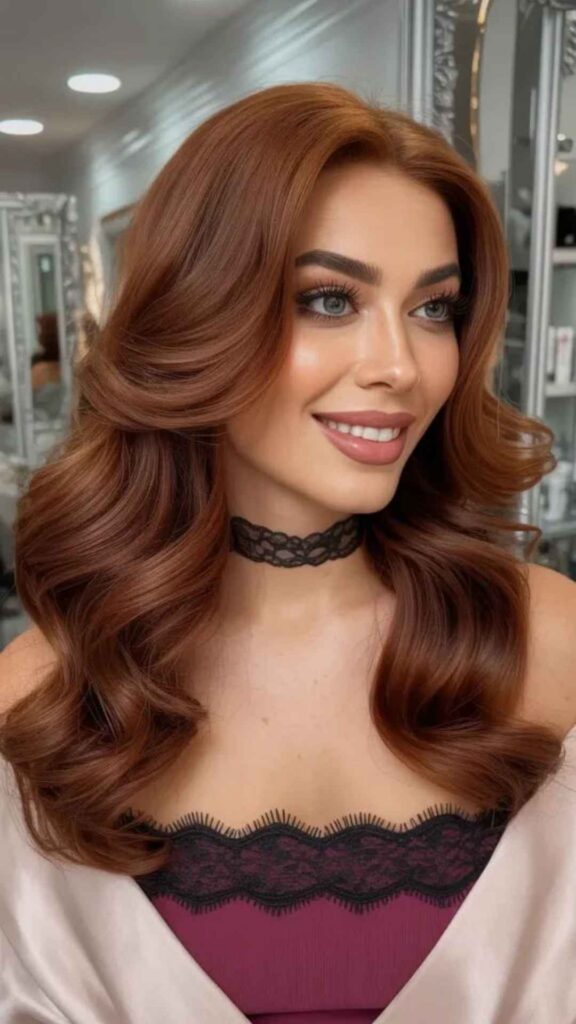
Auburn sits in a strange, wonderful spot on the color wheel. It’s not quite red. It’s not quite brown. It’s both, blended together like a good cup of chai. Think of red brown hair and you’re close. Some shades of auburn hair color lean toward chocolate brown hair. Others go full vibrant red hair. The beauty of auburn is that it stretches to fit almost anyone.
People love auburn because it feels personal. Two people can both say they have auburn hair and look completely different. One might have dark auburn hair that reads almost black in dim light. The other might have light auburn hair with a soft, sun-touched glow. That range is exactly why this color keeps trending, year after year.
Is Auburn Red or Brown?
Here’s the honest answer: it’s both. Auburn is a true hybrid. It borrows warmth from red and depth from brown. Some colorists call it a “dial,” not a switch. You can turn the red up or down without ever losing the brown base underneath. That’s what separates auburn brown hair from a plain, flat brunette.
Auburn Hair Undertones Explained
Undertones make or break a hair color. Auburn typically falls into three camps: warm undertones, cool undertones, or neutral undertones. Warm auburn leans into golden copper and copper tones. Cool auburn leans into mahogany hair and wine-like depth. Neutral undertones sit right in the middle, borrowing a bit from both sides. Knowing your undertone helps you avoid a color that clashes with your skin instead of complementing it.
Why Auburn Hair Is So Popular
Scroll through any beauty app right now and you’ll spot auburn everywhere. Celebrities wear it on the red carpet. Influencers wear it in their everyday reels. Part of the appeal is how season-proof it is. Warm auburn tones feel right at home in autumn. Cooler, deeper shades like burgundy hair or wine red hair feel just as natural in winter. And unlike platinum blonde or jet black, auburn tends to flatter a huge range of eye colors and skin tones without much fuss.
How to Choose the Best Auburn Hair Color
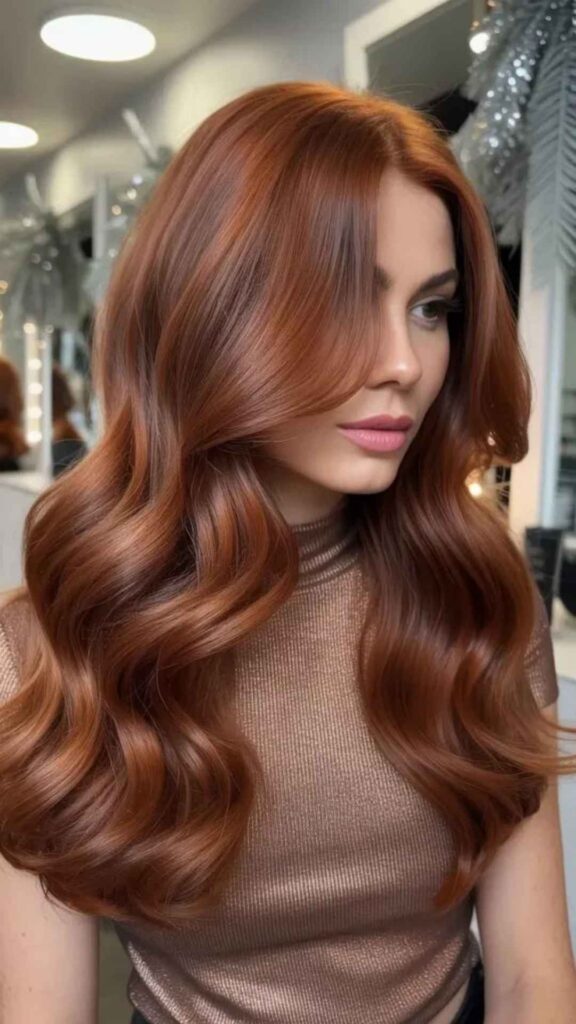
Picking a shade isn’t just about what looks pretty on Pinterest. It’s about matching color to your actual skin, your actual hair, and your actual lifestyle. A shade that looks stunning on someone else might fight against your undertone or demand more upkeep than you’re willing to give.
The good news? Once you understand a few basic rules, choosing gets much easier. Skin tone, natural base color, and how often you want to sit in a salon chair all play a role. Let’s break each one down.
Based on Your Skin Tone
If you have a warm complexion, you’ll likely glow in shades like copper auburn hair or amber auburn. If your complexion runs cool, mahogany auburn or plum auburn will probably suit you better. Got a neutral complexion? Lucky you. You can borrow from both sides of the spectrum without much risk.
Based on Your Natural Hair Color
Brunettes usually have the easiest path into auburn. A rich auburn hair or chestnut auburn hair shade often needs little to no bleach. Blondes might start lighter, with something like strawberry auburn hair or sun-kissed auburn, before committing to anything deeper. If you have naturally dark or black auburn hair, subtle red tones woven through espresso strands can offer a gentle introduction to the trend.
Based on Your Maintenance Level
Be honest with yourself here. Do you love salon visits, or do you dread them? Low-maintenance auburn lovers usually go for balayage or highlights, since regrowth blends in naturally. High-maintenance auburn fans go bold with all-over color, like blood red auburn or cherry auburn hair, and accept the touch-up schedule that comes with it.
Choosing Warm vs Cool Auburn Shades
Warm auburn shades pull from orange, gold, and copper hair tones. Cool auburn shades pull from wine, plum, and berry tones. Neither is better. It’s about what makes your eyes pop and your skin glow. Bring photos to your colorist. Auburn is subjective, and a picture says more than any verbal description ever could.
40 Best Auburn Hair Color Ideas
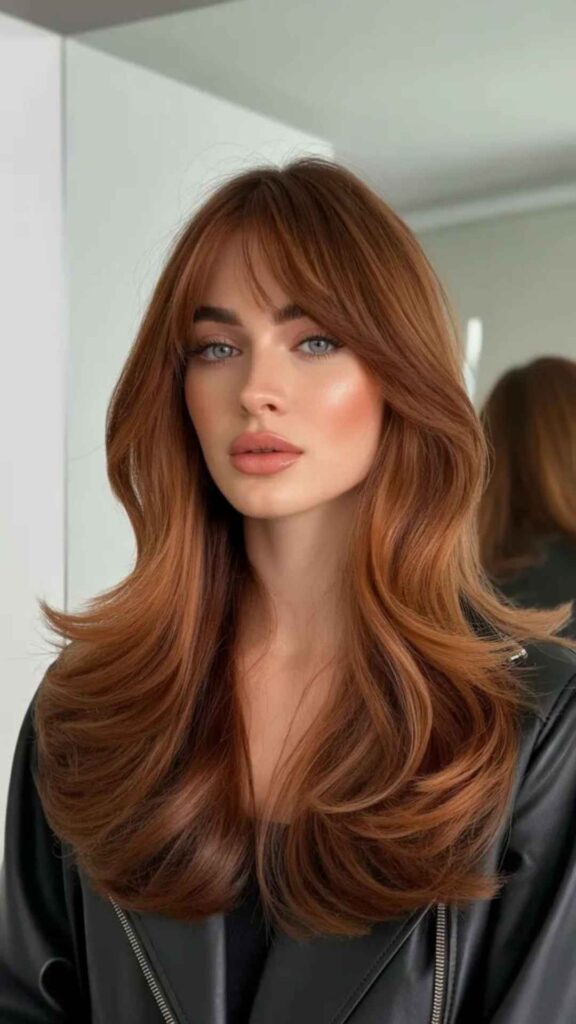
Now for the fun part. Below are 40 auburn hair color ideas, ranging from soft and natural to bold and unapologetic. Some are classic. Some are brand new to the scene. Read through, save your favorites, and bring them straight to your stylist.
Read More About: Summer Business Casual Women: The Best Office Style Guide 2026
1. Classic Auburn
Classic auburn hair is the shade most people picture when they hear the word “auburn.” It blends medium brown hair with warm red undertones in a way that feels timeless. It suits almost every skin tone and rarely looks out of place, whether you’re at the office or at a wedding.
2. Rich Auburn
Rich auburn hair goes a shade deeper than classic. It has cooler undertones and looks especially striking on those with olive or cool skin. Think of it as auburn’s more sophisticated older sibling. Moody, wine-adjacent, and endlessly flattering.
3. Light Auburn
Light auburn hair brings a medium brown base to life with shimmering copper and red highlights. It works beautifully on fair skin and adds real dimension without overwhelming your features. It’s a favorite among people transitioning from blonde.
4. Dark Auburn
Dark auburn hair takes the shade into deep, almost-black territory, with red only revealing itself in direct sunlight. It’s a favorite for brunettes who want drama without a total color overhaul. This shade also hides regrowth better than lighter versions.
5. Copper Auburn
Copper auburn hair is warm, radiant, and impossible to ignore. It brightens fair skin and makes freckles pop. This shade practically glows outdoors, which is part of why it’s so popular for spring and summer.
6. Deep Copper Auburn
Take copper auburn and push it darker, and you land on deep auburn hair with a copper twist. It offers all the fire of copper but with more depth and richness, making it a great pick for those who want boldness with a bit more restraint.
7. Cinnamon Auburn
Cinnamon auburn hair blends warm spice tones with classic red-brown depth. It’s cozy, earthy, and works incredibly well for fall. Think of it as auburn wearing a soft sweater.
8. Strawberry Auburn
Strawberry auburn hair softens the boldness of red with a playful, blonde-adjacent brightness. It’s a gentle way for blondes to dip into red without fully committing to a dramatic change.
9. Cherry Auburn
Cherry auburn hair is bold, juicy, and full of personality. It keeps brown undertones as a base while letting red take center stage. This is one of the most photogenic auburn shades out there.
10. Cherry Cola Auburn
Inspired by the classic soda, cherry cola auburn mixes deep cherry red with cool brown for a retro, almost vintage feel. It’s rich, moody, and endlessly Instagrammable.
11. Burgundy Auburn
Burgundy auburn hair deepens the classic look with a wine-like finish. It’s polished, a little dramatic, and works well across warm and cool complexions alike.
12. Merlot Auburn
Merlot auburn hair is dark, velvety, and hints at plum and burgundy in equal measure. Perfect for autumn and winter, though honestly, it looks gorgeous year-round.
13. Plum Auburn
Plum auburn hair brings a violet edge to the classic red-brown combo. In certain lighting, it can look almost chocolate. In others, the plum tones shine through unmistakably.
14. Mahogany Auburn
Mahogany auburn hair adds just enough red to a chocolatey base to feel natural rather than dramatic. It’s a favorite for brunettes who want subtlety over shock value.
15. Chocolate Auburn
Chocolate auburn hair leans heavily brown, with red only appearing as a warm undertone. It’s an easy, low-drama way to try the trend if you’re nervous about going too bold.
16. Chestnut Auburn
Chestnut auburn hair mixes nutty brown with warm red for a shade that suits nearly everyone. It’s understated, rich, and a great starting point for first-time redheads.
17. Auburn Brown
Auburn brown hair sits right in the middle of the spectrum. Not too bright, not too dark. It flatters warm undertones especially well, though a cooler, ashier version works for neutral skin too.
18. Auburn Espresso
Espresso hair meets auburn in this deep, inky shade with warm mahogany undertones. It’s rich, moody, and perfect for anyone who loves their coffee dark.
19. Burnt Sienna Auburn
Burnt sienna hair brings a rustic, earthy orange-red into the auburn family. It’s warm, grounded, and feels right at home during fall.
Read More About: Women’s Business Casual: 25 Stylish Tips to Dress Professionally
20. Pumpkin Spice Auburn
Pumpkin spice auburn mixes orange, copper tones, and brown for a cozy, festive shade that basically smells like autumn, even though hair color obviously doesn’t have a scent.
21. Ginger Auburn
Ginger auburn hair softens the intensity of true ginger with auburn’s brown undertones. It’s approachable, bright, and full of personality without feeling overwhelming.
22. Amber Auburn
Amber auburn hair feels like liquid sunlight. Golden, soft, and glowing, it flatters warm complexion types especially well and brightens the whole face.
23. Apricot Auburn
Apricot auburn hair is a soft, peachy-red shade with an almost pastel touch. It works beautifully on fair skin and pairs well with natural, dewy makeup.
24. Orange Auburn
Orange auburn hair pushes the boldness dial all the way up. Bright, persimmon-toned, and unapologetic, it looks gorgeous on fair to medium skin with warm undertones.
25. Blood Red Auburn
Blood red auburn is vampy, vivid, and eye-catching. It’s a great option for those who want a truly vibrant red hair look without bleaching their natural base first.
26. Vibrant Auburn
Sometimes you just want maximum saturation. Vibrant auburn delivers exactly that, combining bright red with just enough brown to keep it from looking one-dimensional.
27. Sun-Kissed Auburn
Sun-kissed auburn blends lighter blonde and golden highlights into a medium red base. It’s summery, effortless, and looks like you just returned from a beach vacation.
28. Auburn Balayage
Balayage is a hand-painted coloring technique, and it works beautifully with auburn. Auburn balayage gives a natural, lived-in look that grows out gracefully, with far less upkeep than an all-over dye job.
29. Copper Balayage
Copper auburn hair, painted balayage-style, creates soft, sun-kissed dimension. It’s a favorite for people who usually stick to caramel or blonde but want a pop of warmth.
30. Auburn Highlights
Adding auburn highlights to your existing base is one of the easiest ways to try the trend. Even a few subtle strands can transform a plain brunette look into something with real depth.
31. Brown Hair with Auburn Highlights
If you already have brown base hair, weaving in auburn highlights adds warmth without a full commitment. This look feels natural, like the color the sun would give you if you spent a summer outdoors.
32. Auburn Money Piece
A money piece frames just the hair around your face. An auburn money piece offers the visual impact of a full color change, minus the commitment, since only the front section gets treated.
33. Auburn with Blonde Highlights
Pairing auburn blonde hair tones together creates a bright yet grounded effect. It’s ideal for anyone chasing a sun-kissed vibe with a hint of red running through it.
34. Auburn with Copper Highlights
Layering copper tones into an auburn base intensifies warmth and adds serious shine. This combination photographs beautifully, especially in natural light.
35. Blonde with Auburn Lowlights
Flip the formula and add auburn as lowlights instead. This softens a bright blonde base, adding warmth, depth, and a bit of dimension that pure blonde sometimes lacks.
36. Auburn Ombré
Auburn ombré blends deep roots into lighter auburn ends, creating a gradient effect. It also creates the illusion of fuller, more voluminous hair, which is a nice bonus.
37. Auburn with Espresso Lowlights
Adding espresso hair lowlights into an auburn base creates contrast without going lighter. It’s a great option if you want depth but don’t want to touch bleach at all.
38. Auburn with Wine Roots
Deep, wine red hair roots that melt into lighter auburn ends create a moody, dramatic effect. This shade works especially well for anyone with deep skin tone or a cool complexion.
39. Toasted Auburn
Toasted auburn feels warm and slightly muted, like bread just out of the oven. It’s a softer, more wearable take on golden brown hair with a red twist.
40. Natural Auburn
Natural auburn hair is the shade genetics occasionally hands out, and it remains one of the rarest hair colors on earth. If you’re not a natural redhead, colorists can recreate this soft, believable look using subtle red-brown blending techniques.
Read More About: 67 Best summer nail colors & Trending Designs for 2026
Here’s a quick-reference table to help you compare a few standout shades at a glance.
| Shade | Best For | Maintenance |
| Classic Auburn | Most skin tones | Medium |
| Copper Auburn | Fair skin, warm undertones | High |
| Mahogany Auburn | Olive, cool skin | Medium |
| Auburn Balayage | Low-maintenance lovers | Low |
| Blood Red Auburn | Bold, adventurous types | High |
Auburn Hair Color Ideas by Skin Tone

Choosing auburn by skin tone takes the guesswork out of the process. Instead of falling in love with a shade first and hoping it works, you start with your own coloring and build from there. This approach almost always leads to a more flattering, longer-lasting result.
Eye color matters too. Hazel eyes, green eyes, blue eyes, and brown eyes all interact differently with red tones. Freckled skin, in particular, tends to pop beautifully next to warm auburn shades.
Best Auburn Shades for Fair Skin
Fair skin and light skin tone types usually glow with lighter, brighter auburn shades. Strawberry auburn, apricot auburn, and light auburn all bring warmth without overwhelming a pale complexion.
Best Auburn Shades for Medium Skin
Medium skin tone offers the most flexibility of all. Classic auburn, copper auburn, and chestnut auburn all sit comfortably in this range, giving plenty of room to experiment.
Best Auburn Shades for Olive Skin
Olive skin pairs beautifully with cooler, deeper tones. Mahogany, plum auburn, and merlot auburn all complement the green undertones often found in olive complexions.
Best Auburn Shades for Dark Skin
Deep skin tone and tan skin types often look stunning in rich, high-contrast auburn shades. Burgundy auburn, deep copper, and espresso auburn all create beautiful, dramatic contrast against darker skin.
How to Care for Auburn Hair Color
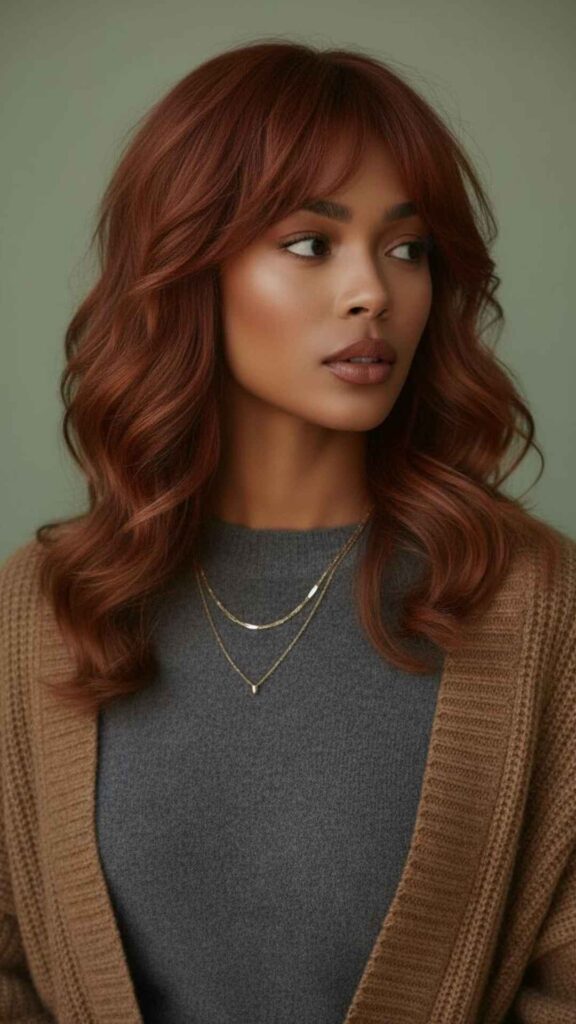
Getting the perfect auburn shade is only half the job. Keeping it vibrant is where the real work begins. Color-treated hair behaves differently than untouched hair. It’s more porous, more prone to fading, and needs a bit of extra attention to stay looking salon-fresh.
The good news is that caring for auburn hair doesn’t require anything complicated. A few simple habit changes go a long way toward preserving your color and keeping your strands healthy at the same time.
Use a Sulfate-Free Shampoo
Sulfates strip color fast. Switching to a sulfate-free shampoo helps lock in pigment and keeps your rich auburn hair looking vibrant for much longer between salon visits.
Wash Hair with Lukewarm Water
Hot water opens the hair cuticle, which lets color escape. Lukewarm water keeps the cuticle sealed, helping your auburn shade fade more slowly and evenly.
Protect Color from Heat and UV Rays
Heat tools and sun exposure both fade color quickly. A heat protectant spray before styling, along with UV protection during long days outside, helps preserve your shade’s richness.
Refresh Color with a Gloss Treatment
A gloss treatment revives dull, faded auburn between full color sessions. It adds shine, boosts vibrancy, and can be done at home or in a salon chair.
Deep Condition Weekly
Color-treated hair needs extra moisture. A weekly deep conditioning treatment keeps strands soft, reduces breakage, and helps your auburn color look shinier overall.
Schedule Regular Touch-Ups
Most auburn shades need a touch-up every four to six weeks. Sticking to this schedule keeps roots blended and prevents the color from looking patchy or uneven.
Read More About: 4C Hair Care: The Complete Guide to Healthy, Strong Curls
Best Hair Dyes for Auburn Hair
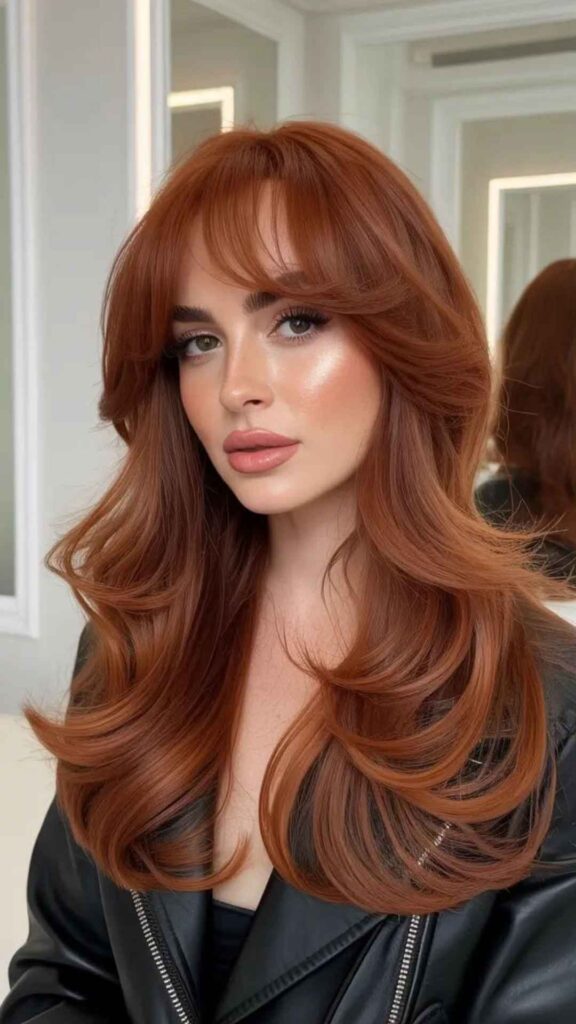
Once you’ve picked your shade, you’ll need to decide how to apply it. Some people prefer the DIY route at home. Others trust a professional colorist to mix the exact right blend. Both paths can lead to gorgeous results, depending on your goals and your comfort level.
Budget and time also play a role here. Permanent dye offers longevity but demands commitment. Semi-permanent dye offers flexibility but fades faster. Salon color often costs more but delivers precision that’s hard to replicate at home.
Permanent Auburn Hair Color
Permanent dye offers the longest-lasting results and works well for full gray coverage. It’s the go-to option for anyone fully committed to their new deep auburn hair shade.
Semi-Permanent Auburn Hair Color
Semi-permanent dye is gentler on hair and fades gradually over several washes. It’s a smart way to test-drive a shade like cherry cola auburn before committing long-term.
Professional Salon Color Options
A professional colorist can custom-blend shades, apply balayage techniques, and correct any color mishaps far more precisely than an at-home box dye ever could. It costs more, but for complex looks, it’s usually worth it.
Frequently Asked Questions
Is auburn hair brown or red?
Auburn is genuinely both. It’s a blended shade that pulls warmth from red and depth from brown, which is exactly why it looks different on everyone who wears it.
Why is it called auburn hair?
The name comes from an old English word originally used to describe a yellowish-white color, which shifted meaning over centuries to describe the reddish-brown shade we know today.
How rare is auburn hair?
Natural auburn hair is extremely rare, since it depends on a specific combination of genes tied to red hair, which is itself a recessive trait carried by a small percentage of the population.
Does auburn hair turn gray or white?
Yes, eventually. Like every natural hair color, auburn hair will transition to gray or white over time, though the red pigment often fades unevenly, creating interesting, sometimes reddish-silver tones along the way.
Conclusion
Auburn hair color isn’t just a trend. It’s a whole universe of shades, from dark auburn hair to light auburn hair, from cherry auburn hair to toasted auburn, each one offering something a little different. Whatever your skin tone, your natural base, or your maintenance preference, there’s an auburn shade waiting for you on this list.
Before your next salon appointment, save a few favorites. Bring photos. Talk undertones with your colorist. And if you’re not ready for a full commitment, start small with balayage, a money piece, or a few subtle highlights. Auburn has a way of growing on people, quite literally.