The Ultimate Guide to Wavy Hair: Types, Care Routine & Styling Tips (2026)
Wavy hair sits in its own lane. It’s not straight. It’s not curly. It’s something in between, and it needs its own rules. If you’ve spent years fighting your natural texture, this guide will help you understand it, care for it, and style it the right way.
This guide covers everything about wavy hair. You’ll learn about Type 2 Hair, how to build a strong hair care routine, which products actually work, and how to style your waves for any season. Let’s get start
What Is Wavy Hair?
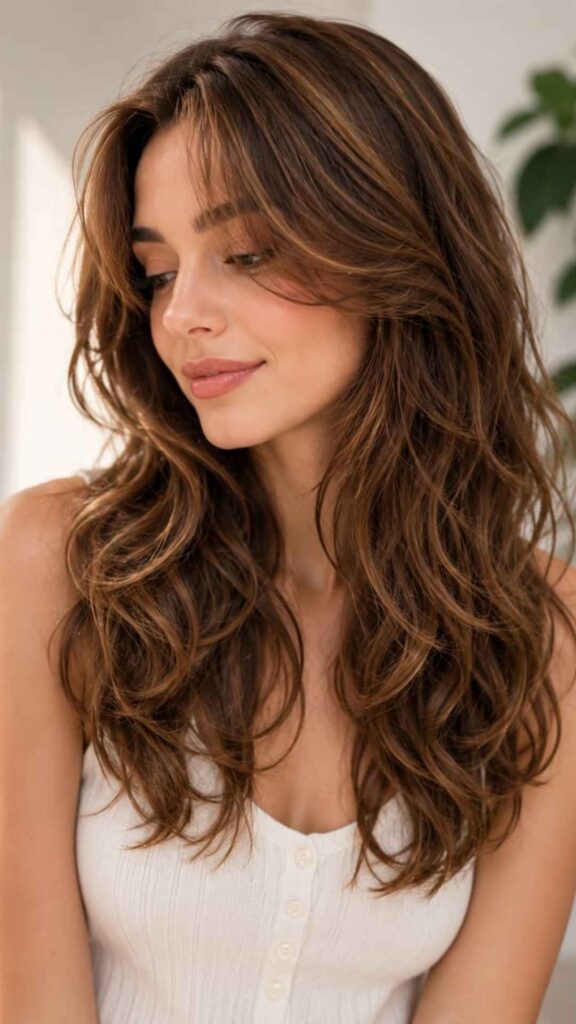
Wavy hair texture sits between straight hair and curly hair. It forms a soft S-shaped wave pattern instead of a tight curl or a flat strand. This texture happens because of the shape of your hair follicle. An oval-shaped follicle usually produces waves, while a round follicle produces straight hair.
People with natural waves often don’t notice their texture until later in life. Many spend years blow-drying their hair straight or using a curling iron to fake a wave. Once you stop forcing your hair into a different shape, your true hair wave pattern starts to show.
What Makes Wavy Hair Different?
Wavy hair behaves differently than other hair types because of its cuticle structure. The cuticle is the outer layer of each strand. In wavy hair, this layer sits at a slight angle. This makes it harder for the hair to hold onto hair moisture, which leads to frizzy wavy hair in humid weather.
This is also why wave definition changes so much day to day. Weather, product, and even how you sleep can shift how your waves look. Understanding this helps you build a routine that supports your hair instead of working against it.
Read More About: 67 Best summer nail colors & Trending Designs for 2026
Common Characteristics of Wavy Hair
Most people with wavy hair texture notice a few common traits. Their hair holds an S-shape when it air dries. It has more hair volume than straight hair. It can feel poofy at the roots but looser at the ends. It reacts fast to humidity, often turning frizzy within minutes.
Hair porosity also plays a big role here. High porosity strands soak up moisture fast but lose it just as quickly. Low porosity strands resist moisture but hold onto it once it’s in. Knowing your porosity helps you pick the right products for moisture balance.
Is Wavy Hair Considered Curly?
Wavy hair is not the same as curly hair, even though people often confuse the two. Wavy hair falls under Type 2 Hair on the hair typing chart. Curly hair falls under Type 3, and coily hair falls under Type 4. The main difference is the shape and tightness of the curl pattern.
Some Type 2C Hair looks close to a loose curl, which causes the confusion. Still, wavy hair generally has a looser, more relaxed shape than true curls. It also usually needs lighter products, since heavy curl products can weigh waves down flat.
Different Types of Wavy Hair

Wavy hair isn’t one single texture. It ranges from barely-there waves to waves that almost curl. Hair experts break this range into three main categories: 2A, 2B, and 2C. Most people have a mix of these types across their head, with different textures at the crown, sides, and nape.
Knowing your type helps you choose the right lightweight hair products and styling method. It also helps you set realistic expectations. A 2A wave will never look like a 2C wave, and that’s okay. Each type has its own natural beauty.
| Wavy Hair Type | Wave Shape | Frizz Level | Best Product Weight |
| Type 2A Hair | Loose, subtle S-bend | Low | Very light |
| Type 2B Hair | Defined S-waves | Medium | Light to medium |
| Type 2C Hair | Strong, near-curl waves | High | Medium to heavy |
Type 2A Wavy Hair
Type 2A Hair has the loosest wave pattern of the three. It sits close to straight hair but bends slightly near the mid-shaft. This type is usually fine or medium in texture, and it doesn’t hold heavy products well. Too much cream or gel can flatten it fast.
People with 2A waves often get the best results from lightweight styling products like a light mousse or a light styling cream. Heat styling works well on this type too, since the hair is naturally soft and easy to shape.
Type 2B Wavy Hair
Type 2B Hair has a clearer S-shape that usually starts at the mid-lengths. This texture holds more hair volume than 2A and tends to frizz more in humid weather. It’s a medium wavy hair texture that responds well to scrunching and diffusing.
This type does well with a light curl cream or a small amount of hair mousse. Too much product weighs it down, but too little leaves it frizzy. Finding that balance takes some trial and error, but it’s worth it.
Type 2C Wavy Hair
Type 2C Hair is the thickest and most defined of the wavy types. It often looks like a loose curl rather than a wave. This is usually thick wavy hair that needs more moisture and stronger hold to stay defined all day.
People with 2C waves often use a styling gel or a rich styling cream to lock in shape. This type is also more prone to dry wavy hair and needs regular deep conditioning treatment to stay soft and bouncy.
Read More About: 4C Hair Care: The Complete Guide to Healthy, Strong Curls
How to Identify Your Wavy Hair Type
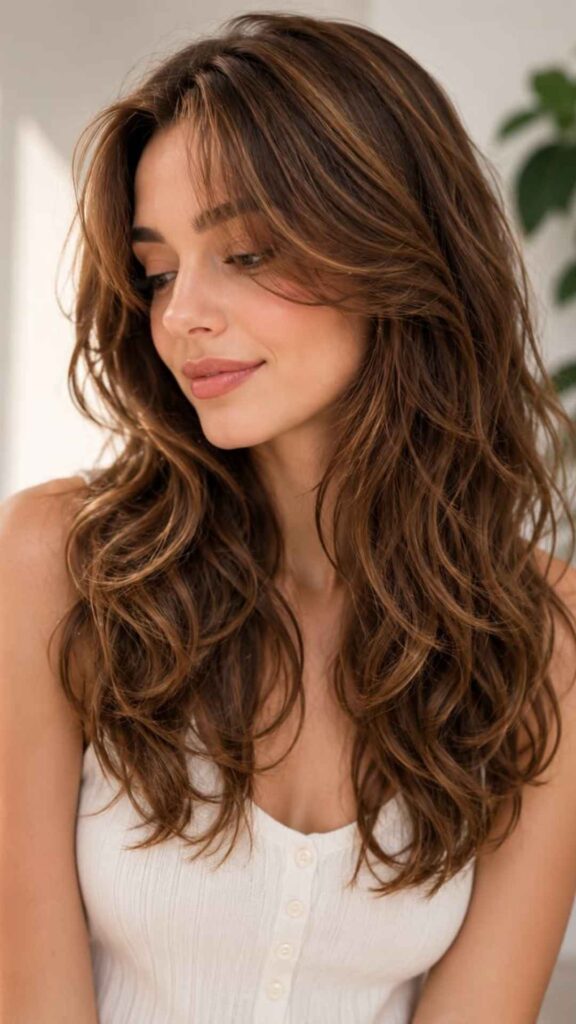
Finding your wavy hair type is simple. Wash your hair with a moisturizing shampoo, skip heat styling, and let it air dry with no product at all. Once it’s fully dry, look closely at the pattern. Check the root, the mid-shaft, and the ends separately, since they can differ.
If your hair barely bends, you likely have 2A. If it forms a clear wave shape, you’re probably 2B. If it curls close to a loose spiral, you’re likely 2C. Remember, your hair wave pattern can also change over time due to hormones, haircuts, or hair damage, so it’s worth checking again every year or so.
Best Wavy Hair Care Routine
A strong hair care routine is the backbone of healthy waves. Wavy hair needs a careful balance of cleansing, moisture, and light styling. Skip a step, and your waves might turn flat, frizzy, or dry. Follow all six steps, and your natural texture will start to shine.
This wavy hair routine works for all three wave types, though the amount of product will change based on your texture. Fine 2A hair needs less product than thick 2C hair. Adjust as you go, and pay attention to how your hair responds each week.
Step 1: Cleanse with a Moisturizing Shampoo
Start every wash day routine with a sulfate-free shampoo. Sulfates strip natural oils, which leaves waves dry and rough. A gentle moisturizing shampoo cleans the scalp without damaging the hair’s natural moisture barrier.
If you use a lot of styling products, add a clarifying shampoo once every few weeks. This removes hair product build-up without over-drying the rest of your routine. Some people also swap a regular wash for a co-wash between full shampoo days to keep moisture levels high.
Step 2: Use a Hydrating Conditioner
After shampoo, apply a hydrating conditioner from mid-length to ends. Avoid the roots, since conditioner there can cause extra oil buildup. This step supports hair hydration and helps smooth the cuticle layer.
Try the squish to condish method here. Gently squeeze the conditioner into your hair while it’s soaking wet. This technique boosts wave definition and helps lock in moisture before you even start styling.
Step 3: Apply a Weekly Hair Mask
Once a week, swap your regular conditioner for a hair mask or a full deep conditioning treatment. This step repairs hair damage, improves hair elasticity, and keeps waves looking healthy instead of dull.
Weekly hair mask use matters more for dry wavy hair and damaged wavy hair, since these types lose moisture fast. If your hair feels strong and shiny already, one mask a week is usually enough. Overdoing it can weigh down finer waves.
Step 4: Use a Leave-In Conditioner
A leave-in conditioner adds an extra layer of protection after you rinse out your regular conditioner. It supports moisture retention, helps with hair detangling, and creates a smoother base for styling products.
This step matters most for high porosity hair, which loses moisture fast throughout the day. A light leave-in also protects against heat if you plan to blow dry or diffuse your waves later.
Step 5: Style with Lightweight Products
Apply your styling product while hair is still damp, not dry. This is where lightweight hair products matter most. A hair mousse or curl cream works well for most wave types, while a lightweight gel can add extra hold for 2C waves without stiffness.
Rake the product through from ends to roots, then scrunch upward. This step defines your curl pattern and sets the shape before your hair dries. Skipping this step often leads to frizz once your hair is fully dry.
Step 6: Air Dry or Diffuse for Definition
You can either air dry hair naturally or use a hair diffuser attached to your blow dryer. Diffusing on low heat speeds up drying and adds extra hair volume without frizz. Air drying takes longer but is gentler overall.
Whichever method you choose, avoid touching your hair while it dries. This causes frizz and breaks up your natural wave pattern. Let it set fully before running your fingers through it.
How to Wash Wavy Hair Properly
Washing wavy hair the right way protects your wave definition and keeps frizz under control. Use lukewarm water instead of hot water, since hot water strips moisture fast. Focus shampoo on the scalp, and let the suds rinse down through the lengths naturally.
Good hair cleansing habits also mean not overloading your scalp with product between washes. A clean scalp supports healthy hair growth and keeps your hair moisturizing routine working the way it should.
How Often Should You Wash Wavy Hair?
Most people with wavy hair do best washing two to three times a week. Washing too often strips natural oils and leads to frizz control problems. Washing too rarely causes buildup, which can flatten waves and block moisture from getting in.
Oily wavy hair may need washing closer to every other day, while dry wavy hair can often stretch to twice a week. Listen to your scalp and adjust your hair wash routine based on how it feels, not just a fixed schedule.
Washing Mistakes to Avoid
A few common mistakes ruin good wavy hair care. Using too much shampoo strips more oil than needed. Rubbing hair with a rough towel causes frizz and hair breakage. Skipping conditioner leaves the cuticle rough and dry. Brushing wet hair with the wrong tool stretches and damages strands.
Avoiding these small mistakes protects your hair strength over time. Small changes to your washing habits often make a bigger difference than buying more products.
Read More About: 40 Best Auburn Hair Color Ideas: Trending Shades for Every Skin Tone (2026)
Best Products for Wavy Hair
Choosing the right products makes or breaks your wavy hair routine. Every product category serves a different purpose, from cleansing to styling to protecting. Below are trusted picks across each category, useful for fine, medium, and thick wavy hair alike.
Always match product weight to your wave type. Lighter formulas suit 2A hair, while richer formulas suit 2C hair. Testing a few options is normal before you find your perfect routine.
Best Shampoos
A good sulfate-free shampoo cleans gently while protecting hair moisture. Look for botanical ingredients like aloe, coconut, and shea in the formula. Brands like Moroccanoil, Pureology, and Alterna all make trusted options built for wavy hair texture.
Best Conditioners
A rich hydrating conditioner should feel silky, not heavy. It should detangle easily and leave hair soft once rinsed. Pair your conditioner with the squish to condish method for the best results.
Best Hair Masks
A deep conditioner or hair mask should be used weekly for strong hair repair. Look for formulas with proteins and oils balanced together to support protein moisture balance in the hair strand.
Best Leave-In Conditioners
A leave-in conditioner should feel lightweight, not sticky. It should smooth the cuticle, boost hair shine, and act as a base layer before styling product goes on.
Best Mousses and Styling Creams
A hair mousse gives soft hold without crunch, while a curl cream or styling cream adds moisture and shape. Combine both for stronger wave definition on thicker waves.
Best Wave Sprays
A wave spray or sea salt spray enhances natural texture between styling sessions. A texture spray can also refresh second-day hair without a full restyle.
Best Hair Oils and Serums
A light hair oil or hair serum adds shine and seals in moisture at the ends. Use a small amount to avoid weighing down finer waves.
How to Style Wavy Hair

Styling wavy hair isn’t about forcing a shape. It’s about enhancing what’s already there. The right technique brings out soft waves, adds hair volume, and reduces frizz without extra effort.
Try different methods until you find what works best for your hair wave pattern. Some people prefer air drying, while others get better results diffusing. There’s no single right answer, just what fits your hair and your schedule.
Air-Drying vs Diffusing
Air dry hair is the gentler option, but it takes longer and can sometimes leave waves looser than expected. Diffusing hair speeds up the process and often boosts volume, but it needs more hands-on effort and a bit of practice.
Scrunching Technique
Scrunching hair while it’s damp and coated in product helps set your natural curl pattern. Cup sections of hair in your palm and gently squeeze upward toward the scalp. Repeat until your whole head is scrunched evenly.
Plopping Method
The plopping method involves wrapping wet, product-coated hair in a t-shirt or microfiber hair towel to set the wave shape while reducing frizz. Leave it plopped for fifteen to twenty minutes before releasing and diffusing or air drying.
Using Curl Cream vs Mousse
A curl cream adds moisture and light hold, best for drier or thicker waves. A hair mousse adds lift and bounce with less weight, best for finer waves. Many people layer both for balanced wave enhancement.
Styling Without Heat
Heatless styling methods like loose braids or twist-outs create soft waves overnight without any damage. This is a great curl-friendly routine for anyone trying to protect hair health long term.
Read More About: Honest Luvme Hair Review (2026): Are These Glueless Human Hair Wigs Worth It?
How to Refresh Wavy Hair Between Washes

You don’t need to wash your hair every day to keep it looking fresh. A simple daily hair refresh routine can revive your waves without stripping moisture. This keeps your hair moisturizing routine consistent even between full wash days.
Refresh with Water
A quick spray of water rewets the hair and reactivates leftover product. Scrunch gently after spraying to rebuild wave definition without a full restyle.
Use a Wave Spray
A wave spray or sea salt spray adds light texture back into second or third-day hair. Use sparingly, since overuse can dry out strands over time.
Revive Waves with Leave-In Conditioner
A diluted leave-in conditioner, mixed with water in a spray bottle, softens and refreshes waves fast. This is a gentle, low-effort way to bring back bouncy waves without much time or product.
How to Reduce Frizz in Wavy Hair
Frizz is one of the biggest struggles for anyone with wavy hair texture. It happens when the hair cuticle lifts and lets moisture in unevenly. Understanding the cause makes it much easier to manage.
Causes of Frizz
Humidity is the top cause of frizz, but it’s not the only one. Hair damage, rough towel drying, overuse of heat tools, and the wrong product weight all contribute. Cotton pillowcases and towels also rough up the cuticle layer over time.
Anti-Frizz Tips That Actually Work
Switching to a microfiber hair towel reduces friction during drying. A silk pillowcase or satin bonnet protects hair overnight. Using a heat protectant before any hot tool use shields the cuticle from damage, and regular trims prevent split ends from turning into frizz.
How to Protect Wavy Hair
Protecting your waves matters just as much as styling them. Daily habits like sleeping, sun exposure, and swimming all affect your hair health over time.
Sleeping with Wavy Hair
The pineapple hairstyle works well for looser waves, gathering hair loosely at the top of the head before bed. This protects the shape while you sleep and reduces flattening at the roots.
Silk Pillowcases and Bonnets
A satin scarf, satin bonnet, or silk pillowcase all reduce friction while you sleep. This kind of overnight hair protection keeps waves smoother and reduces morning frizz.
Heat Protection Tips
Always apply a heat protectant before using a blow dryer or any hot tool. Keep the heat setting low, and avoid daily heat styling to protect long-term hair strength.
Protecting Hair While Swimming
Wet your hair with clean water before swimming, since dry hair absorbs chlorine and salt water faster. Apply a light leave-in as a barrier, then rinse thoroughly after your swim to protect hair moisture and prevent damage.
Common Wavy Hair Mistakes to Avoid
A few habits quietly damage wavy hair over time. Avoiding these keeps your routine on track and your waves healthy.
- Using products made for straight or curly hair instead of formulas suited to wavy hair texture
- Brushing dry hair, which breaks the natural curl pattern and causes frizz
- Skipping leave-in conditioner, which leaves hair under-protected all day
- Washing too often with harsh shampoo instead of a sulfate-free shampoo
- Touching hair too much while it dries, which disrupts wave definition
- Using heavy styling gel on fine 2A waves, which flattens natural volume
Best Haircuts for Wavy Hair
The right haircut enhances your natural hair wave pattern instead of fighting it. A good stylist will cut with your texture in mind, not against it.
Long Layers
Long layers remove bulk and let waves move freely. This cut works well for medium wavy hair and thick wavy hair alike.
Lob Haircut
A lob, or long bob, gives shape without losing length. It suits loose waves and adds a soft frame around the face.
Shag Cut
A shag cut adds heavy layering and texture, which pairs naturally with defined waves and boosts overall hair volume.
Curtain Bangs
Curtain bangs blend easily into wavy hair and soften the face without needing daily styling effort.
Wolf Cut
The wolf cut combines shag layers with curtain bangs for a textured, low-maintenance look built for natural waves.
Best Hairstyles for Wavy Hair
Styling doesn’t stop at the haircut. These everyday looks work well with natural soft waves and beach waves.
Loose Waves
A relaxed, undone look that highlights natural wave definition with minimal styling effort.
Half-Up Hairstyles
A half-up style keeps hair off the face while showing off hair volume at the crown.
Ponytails
A textured ponytail adds a polished look while still showing natural wave texture underneath.
Braids
Loose braids protect hair overnight and create soft waves once undone the next day.
Beach Waves
Beach waves are the most requested wavy hairstyle, giving a relaxed, sun-kissed look using light texture spray or sea salt spray.
Wavy Hair Care Tips for Every Season
Weather changes affect wavy hair more than most textures. A good hair care routine should shift slightly with the seasons.
Summer Hair Care
Humidity protection matters most in summer. Use lighter products, protect hair from UV rays, and rinse thoroughly after pool or ocean swims to prevent hair damage.
Winter Hair Care
Indoor heating dries out the air and the hair. Switch to richer hydrating conditioner formulas, add more hair oil, and protect hair from wind and cold with loose protective styles.
Frequently Asked Questions
Am I curly or wavy?
If your hair forms a loose S-shape and needs light products, you likely have wavy hair. If it forms tighter spirals, you likely have curly hair instead.
What is my hair type 2A, 2B, 2C?
Air dry your hair with no product and check the wave pattern. A subtle bend means 2A, a clear S-wave means 2B, and a near-curl shape means 2C.
Is my hair frizzy or wavy?
Frizz is a symptom, not a hair type. Your hair can be wavy and frizzy at the same time, especially without the right moisture-focused routine.
How do you get your hair wavy?
Use a moisturizing shampoo, apply product to damp hair, then scrunch and diffuse or air dry. Consistency matters more than any single product.
Conclusion
Wavy hair deserves its own care routine, not a borrowed one from straight or curly hair. Once you understand your wave type, your porosity, and your hair’s real needs, everything gets easier.
Small, consistent changes matter more than chasing every new product on the shelf. Give your natural texture the right routine, and healthy, bouncy waves will follow.