Black Hair Color Guide (2026): Best Shades, How to Get It & Care Tips
Black hair is one of the most common hair colors in the world. It gets its dark shade from high levels of a pigment called eumelanin. Many people with black hair also have thick or curly strands.
Have you ever wondered why black hair looks so shiny under the sun? It’s not just about color. There’s real science and beauty behind every strand.
Black hair can be straight, wavy, curly, or coily. It is found in many cultures across the globe. With the right care, it can look healthy and full of life.
Why Black Hair Color Is Trending in 2026
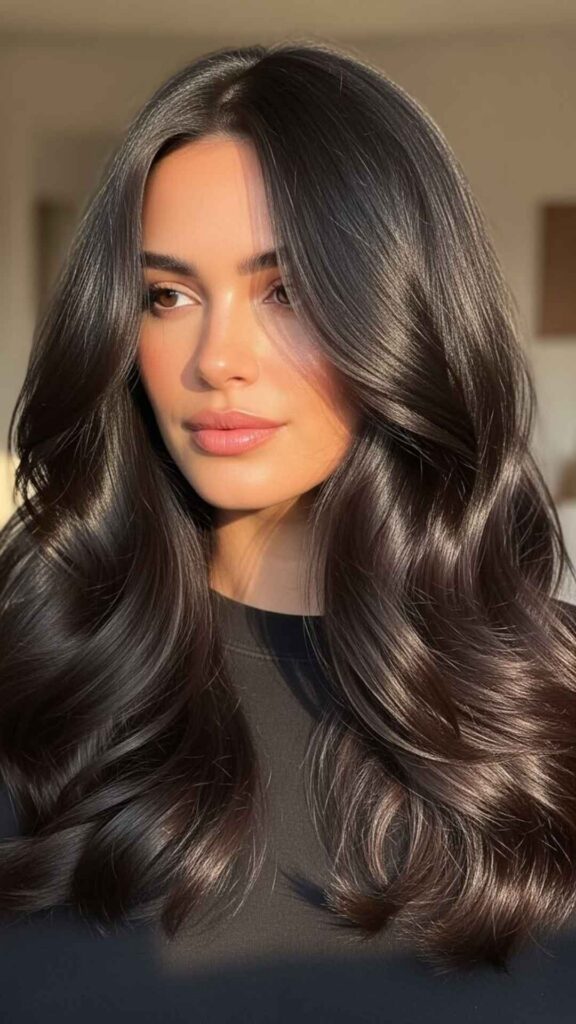
Black hair color is everywhere right now. Salons report more requests for rich black hair color than in past years. Part of this comes from the rise of “glass hair,” a trend built on shine and smoothness. Black hair color shows off that glassy finish better than almost any other shade, because dark pigment reflects light in a way that looks polished and clean.
There’s also a shift toward low-maintenance color. Black hair color doesn’t need constant root touch-ups the way blonde does. Many people already have dark brown or black natural hair, so the transition feels easy. New dye formulas also help. Brands now sell fade-resistant black hair dye that holds pigment longer and resists dullness, which makes the whole commitment less scary for first-timers.
Types of Black Hair Colors
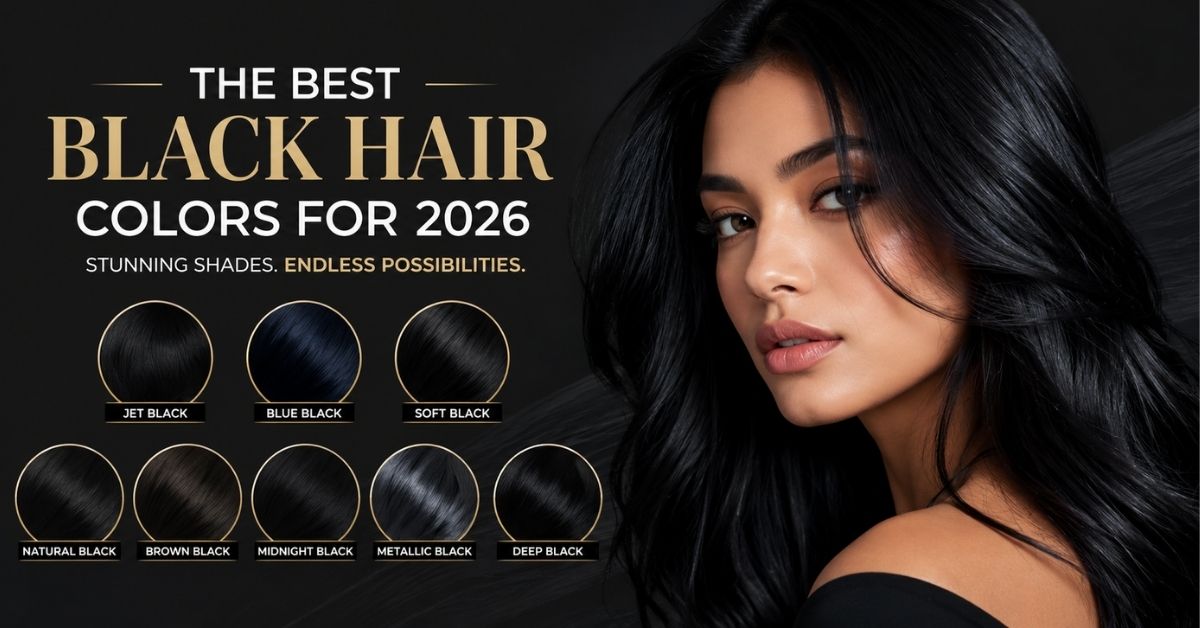
Not all black is the same. Black hair shades range from warm and soft to cool and intense. Picking the wrong one can leave your color looking either too harsh or too washed out. This section breaks down each shade so you know exactly what you’re choosing.
Here’s a quick table to compare the main black hair shades before we go deeper into each one.
| Shade | Undertone | Best For |
| Soft Black | Warm-neutral | First-timers, warm skin |
| Natural Black | Neutral | Most skin tones |
| Brown Black | Warm | Warm and olive skin |
| Blue Black | Cool | Cool and deep skin tones |
| Metallic Black | Cool-silver | Bold, modern looks |
| Midnight Black | Cool-purple | Dramatic, subtle shine |
| Jet Black | Neutral-cool | High contrast lovers |
| Neutral Black | Balanced | Undecided undertones |
| Deep Black | Neutral | Gray coverage, resistant hair |
Soft Black
Soft black is the gentlest black hair color on this list. It carries warm undertones and blends easily with natural black hair, so regrowth looks less obvious. This shade works well for anyone trying black hair color for the first time, since it forgives small mistakes during application.
Natural Black
Natural black mimics the most common natural hair color in the world. It’s neutral, meaning it doesn’t lean warm or cool. This makes it one of the easiest black hair shades to match, and it rarely clashes with skin tone or eye color.
Brown Black
Brown black sits between deep brunette and true black. It’s a great pick for anyone moving from dark brunette to black hair, since the transition feels smaller and less dramatic. The warm undertone flatters golden and olive skin especially well.
Blue Black
Blue black shows a cool blue reflection in bright light. It’s part of the ongoing blue black vs jet black conversation, since both shades look extremely dark but read differently outdoors. Blue black adds a shiny, almost metallic edge that jet black doesn’t have.
Metallic Black
Metallic black has a cool, silvery sheen layered over a black base. It fits the 2026 trend toward high-shine, futuristic hair color. This shade needs glossy black hair treatments to really shine, since the metallic effect fades fast without proper shine care.
Midnight Black
Midnight black looks almost black but carries a soft purple or blue undertone underneath. It’s a quieter alternative to blue black, offering drama without going full cool-tone. Many people call this shade the perfect black hair makeover starting point.
Jet Black
Jet black is the darkest possible shade. In color terms, it’s known as hair color level 1, meaning there’s no darker option on the chart. This is intense black hair in its purest form, and it delivers serious contrast for anyone who wants bold, dramatic color.
Neutral Black
Neutral black doesn’t lean warm or cool. It’s a safe, balanced choice for people unsure which undertone suits them. This shade works as a stepping stone before trying something bolder like blue black or metallic black.
Deep Black
Deep black is rich and opaque. It’s often used for permanent black hair color because it covers gray hair extremely well. This shade shares similarities with jet black, but tends to look slightly softer in daylight.
Jet Black Hair vs. Blue Black Hair
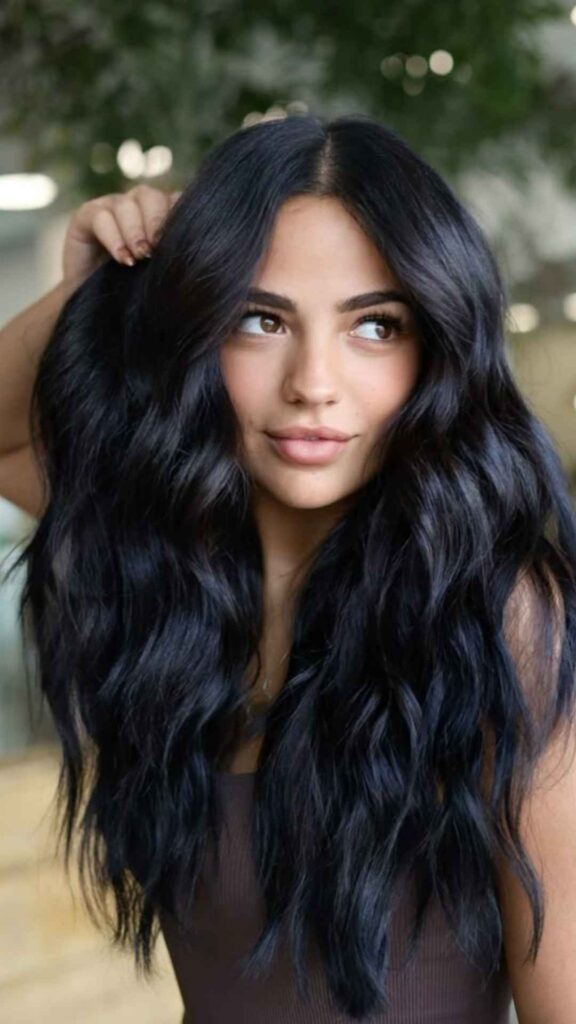
These two shades confuse a lot of people. Both look nearly identical in dim lighting, but they behave very differently once you step outside. Jet black reads as pure, deep darkness with almost no color showing through, while blue black throws a visible blue shine whenever light hits it directly.
Choosing between them comes down to personal style. If you want true black hair with zero color undertone, jet black wins. If you want extra shine and a bit of edge, blue black is worth trying instead. Both are considered forms of intense black hair, so neither is a “safer” choice than the other.
Key Differences
The table below breaks down the biggest differences between these two popular shades.
| Feature | Jet Black | Blue Black |
| Undertone | Neutral-cool | Cool-blue |
| Light Reflection | Minimal | Strong blue shine |
| Best Skin Tones | Cool, deep, olive | Cool, fair with contrast |
| Maintenance | High | High |
| Overall Vibe | Bold, classic | Bold, edgy |
Which Shade Is Right for You?
Think about your undertone first. Cool undertones usually handle both shades well, but jet black hair on fair skin can look striking if paired with warm makeup tones to balance it out. If you have olive or deep skin, blue black tends to add extra glow without overwhelming your natural coloring. When in doubt, ask a colorist which shade matches your hair color undertones best before committing.
How to Choose the Best Black Hair Color for Your Skin Tone
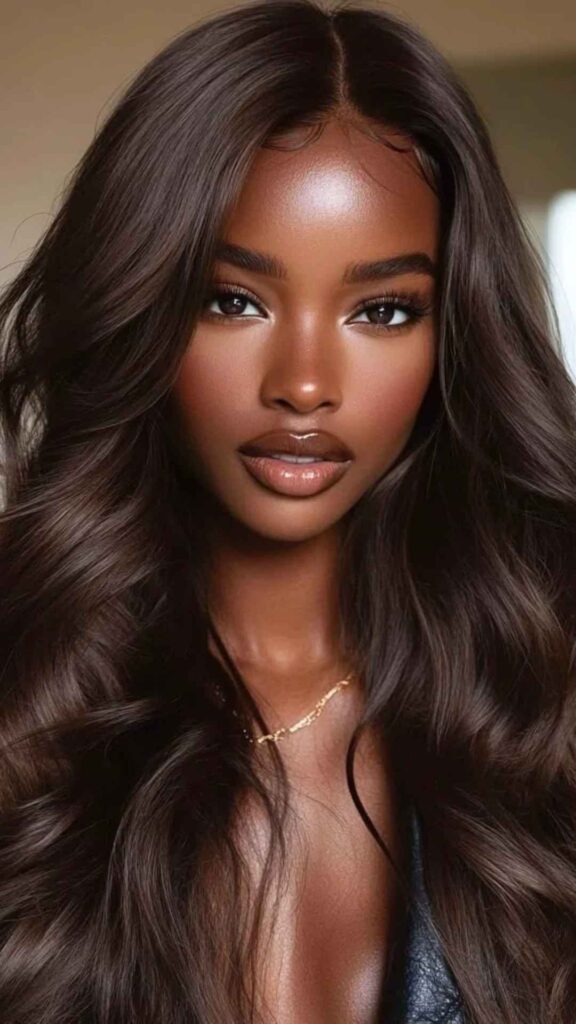
Which black hair color suits me is one of the most searched questions in this whole topic, and for good reason. Black hair color creates strong contrast, so matching it to your skin tone matters more than it does with lighter shades. Getting this step right makes the difference between a color that looks harsh and one that looks effortless.
Skin tone breaks into three main categories: warm, cool, and neutral. Each category pairs best with certain black hair shades, and understanding your hair color undertones helps you avoid picking a shade that fights against your natural coloring instead of working with it.
Warm Skin Tones
Best black hair color for warm skin tone usually means soft black, brown black, or natural black. These shades carry warmth that echoes your skin’s natural glow. Black hair for olive skin often falls into this category too, especially shades with warm undertones like brown black.
Cool Skin Tones
Best black hair color for cool skin tone points toward blue black, jet black, or metallic black. Cool undertones in skin pair naturally with cool undertones in hair color, creating a polished, seamless look. Jet black hair on fair skin with cool undertones tends to look especially striking and clean.
Neutral Skin Tones
Best black hair color for neutral skin tone is the easiest category, since neutral skin pairs well with almost any shade. Natural black, neutral black, and deep black all work beautifully here. Black hair for deep skin tones with neutral undertones also opens up options like jet black and metallic black without any risk of clashing.
Best Eye Colors for Black Hair
Black hair color for brown eyes deepens and defines them, adding richness that’s hard to get with lighter hair. Black hair color for blue eyes creates striking contrast, making blue eyes look even brighter. Black hair color for green eyes and black hair color for hazel eyes both benefit from the same effect, since dark hair makes lighter eye colors pop against the skin.
How to Get Black Hair
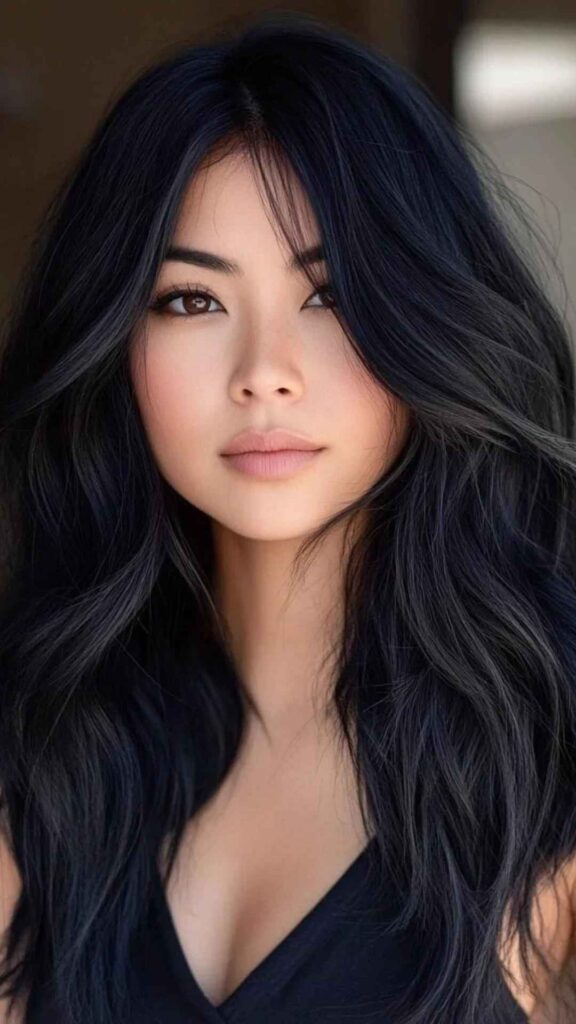
Getting true black hair takes planning, especially if you’re starting from a much lighter color. This section walks through your main options, from salon visits to full DIY dye jobs, along with special notes for different starting hair colors.
Before doing anything, think honestly about your current hair condition and color history. Permanent hair dye works differently depending on whether you’re coming from blonde, brown, or gray hair, and skipping this step often leads to uneven, patchy results.
Coloring Your Hair at a Salon
Salon black hair color is the safest choice for major changes. A professional colorist checks your hair’s hair porosity and color history before choosing the right formula. They also help you decide between soft black vs jet black based on your skin tone, something that’s hard to judge accurately on your own. Professional black hair color service usually includes a strand test, which prevents surprises on the day of your appointment.
Dyeing Your Hair at Home
At-home black hair dye works well if you already have some coloring experience. Read your instructions fully before you start. Section your hair into four parts. Apply the dye evenly from roots to ends. Uneven hair saturation is the most common mistake people make, and it leads to patchy, blotchy color that’s hard to fix later.
Going from Blonde to Black Hair
This transition needs extra care. Blonde hair often has higher hair porosity, meaning it absorbs color molecules faster and unevenly. The result can look darker in some spots and lighter in others if you’re not careful. A pre-color treatment or filler step often helps even out color absorption before the black dye goes on.
Going from Brown to Black Hair
This move is usually simpler than blonde to black. Brown hair already carries some depth, so the oxidative dye used in black hair color blends more evenly. Still, always do a strand test first, since hair pigment levels vary a lot between different brown shades.
Covering Gray Hair with Black Dye
Gray hair resists color more than pigmented hair does. Permanent black hair color works best here, since semi-permanent black hair dye often fades unevenly on gray strands. Longer processing time helps the dye fully penetrate the hair cuticle, giving you complete, lasting gray coverage.
Read More About: 30 Best Light Brown Hair Color Ideas to Try in 2026
How to Maintain Black Hair Color
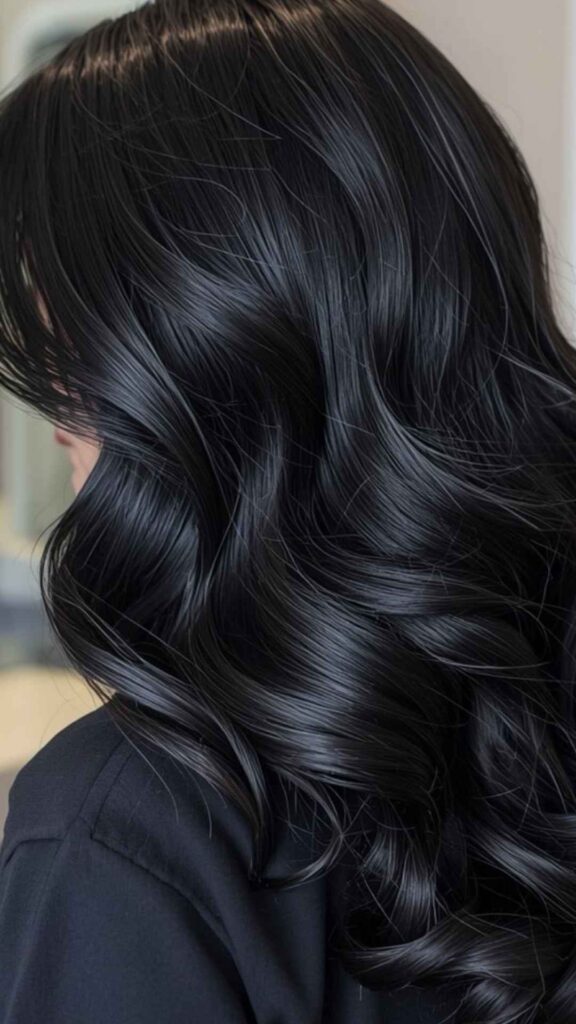
Getting the color is only step one. Black hair color maintenance is what keeps it looking rich instead of dull. Dark shades don’t fade the same way lighter colors do, but they lose shine fast without the right care routine.
The good news is that maintaining black hair color isn’t complicated once you know what to do. It comes down to the right products, the right wash schedule, and a bit of consistency with deep conditioning and shine treatments.
Use Color-Safe Shampoo
Sulfate-free shampoo protects your pigment and prevents early fading. Wash two to three times a week instead of daily. Use a color-safe conditioner every time you shampoo, since this locks moisture into color-treated hair and keeps strands from drying out between washes.
Keep Black Hair Glossy
Glossy black hair depends on regular shine care. A hair gloss treatment every few weeks refreshes pigment and boosts reflection. A lightweight shine serum applied to damp hair adds an extra layer of gloss without weighing your strands down.
Prevent Black Hair Color from Fading
Color fading speeds up with sun exposure, hot water, and chlorine. Use lukewarm water when washing. Apply heat protection spray before using any hot tools. These small habits add real hair color longevity, keeping your black shade rich for much longer.
Deep Conditioning & Moisture
Deep conditioning should happen weekly for color-treated hair. A moisture treatment or hair mask restores softness and prevents breakage. Frizz control products also help, since dry, frizzy strands make even the darkest black hair color look dull instead of sleek.
How Often Should You Touch Up Black Hair?
A root touch-up is usually needed every four to six weeks, depending on how fast your hair grows. Between touch-ups, a hair color refresh with a gloss treatment keeps the color looking fresh without a full re-dye. This routine supports long-term hair color longevity and reduces overall damage from repeated dyeing.
Best Hairstyles That Showcase Black Hair
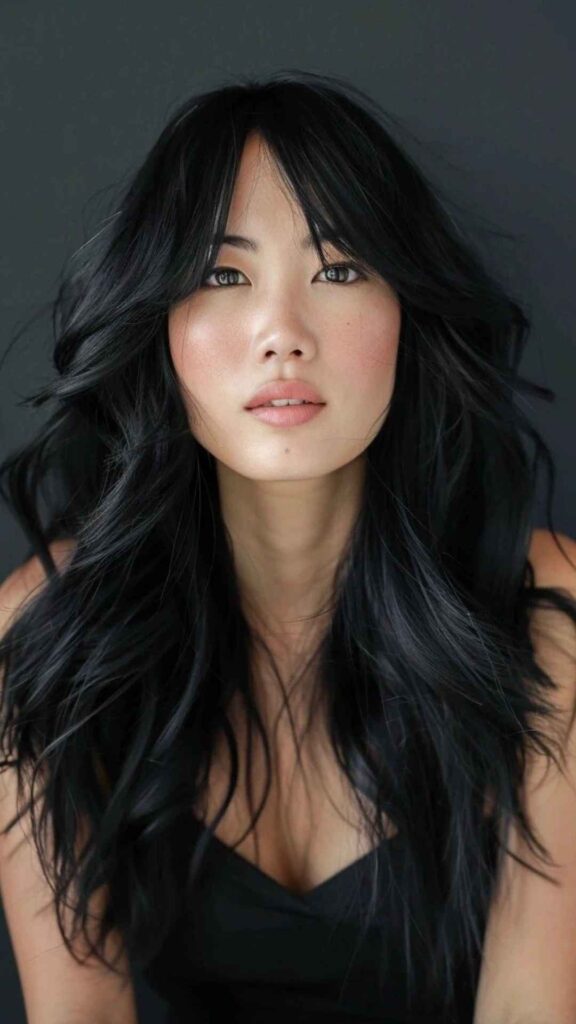
Black hair color looks different depending on texture and cut. The right style makes your color pop even more, adding movement and shine that flat, one-note styling can’t match.
Whether your hair is straight, wavy, curly, long, or short, black hair color adapts easily. The key is choosing a style that highlights shine and healthy movement, since that’s what makes vibrant black hair stand out in any setting.
Straight Black Hair
Sleek hairstyle options work beautifully with black hair color. Straight styles maximize shine, giving you that popular glass hair look. Light reflects evenly across smooth strands, making the color appear deeper and more polished.
Wavy Black Hair
Wavy black hair adds natural texture without needing highlights. The gentle waves catch light in different directions, creating soft dimension that flat black hair sometimes lacks.
Curly Black Hair
Curly black hair brings volume and definition. A good curl cream paired with a hair oil keeps curls smooth and reduces frizz, letting the natural bounce of black hair color really shine through.
Layered Black Hair
Long black hair with layers avoids looking too heavy. Layers add movement and prevent the color from appearing flat, especially on thicker hair types where solid black can sometimes look like one solid block.
Short Black Hairstyles
Short black hair styles, including the classic bob haircut, showcase black hair color with striking precision. Short cuts highlight shine especially well, since there’s less length for light to travel through before reflecting back.
Read More About: Best Dark Red Hair Color Ideas to Transform Your Look in 2026
Best Highlight Colors for Black Hair
Black hair color doesn’t have to stay one flat shade. Highlights add dimension and depth, breaking up solid color in a way that looks intentional and stylish rather than messy.
Choosing the right highlight color depends on your skin tone and how bold you want the contrast to look. Some options stay subtle, while others create a much more dramatic finish.
| Highlight Color | Effect | Best Paired With |
| Chocolate Brown | Subtle warmth | Soft black, natural black |
| Caramel | Bold contrast | Deep or warm skin tones |
| Burgundy | Red-toned shine | Neutral black, brown black |
| Blue | Cool, editorial look | Blue black hair |
| Silver | High-contrast shine | Jet black, metallic black |
Chocolate Brown Highlights
Chocolate brown highlights add gentle warmth without breaking the black base. This is a low-commitment way to add dimension to soft black vs jet black styles without going too bold.
Caramel Highlights
Caramel highlights create noticeable contrast against black hair color. This combination looks especially rich on deep and warm skin tones, adding a golden glow throughout the hair.
Burgundy Highlights
Burgundy highlights show up as a red shine in sunlight. This pairing is trending heavily for 2026, giving black hair color an unexpected pop of warmth.
Blue Highlights
Blue highlights work best on blue black hair, enhancing the cool tone that’s already present. This creates a cohesive, editorial-style finish that looks intentional rather than random.
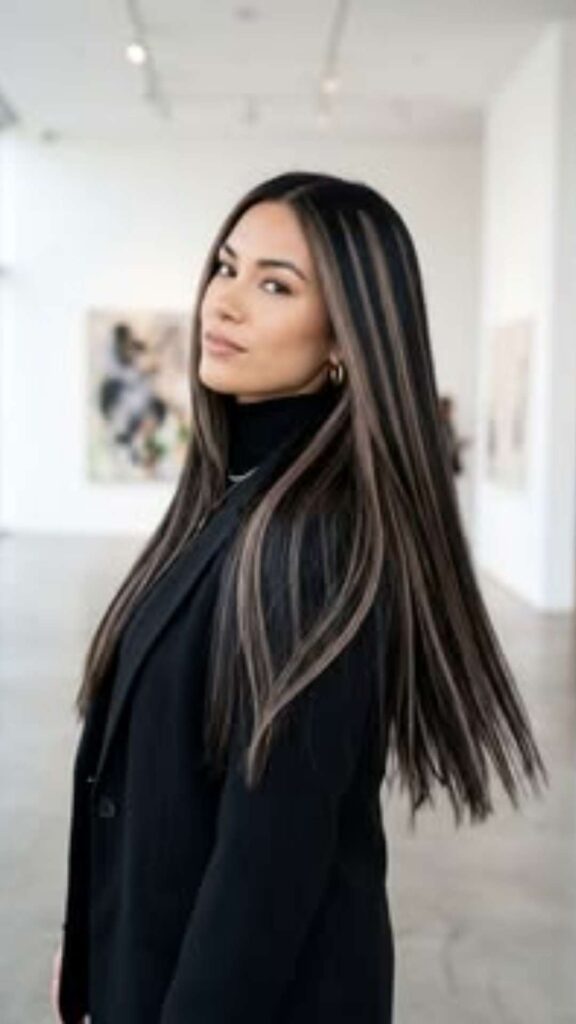
Silver Highlights
Silver highlights create the boldest contrast on this list. They pair especially well with jet black or metallic black, adding a futuristic, high-shine element to the overall look.
Styling Tips for Black Hair
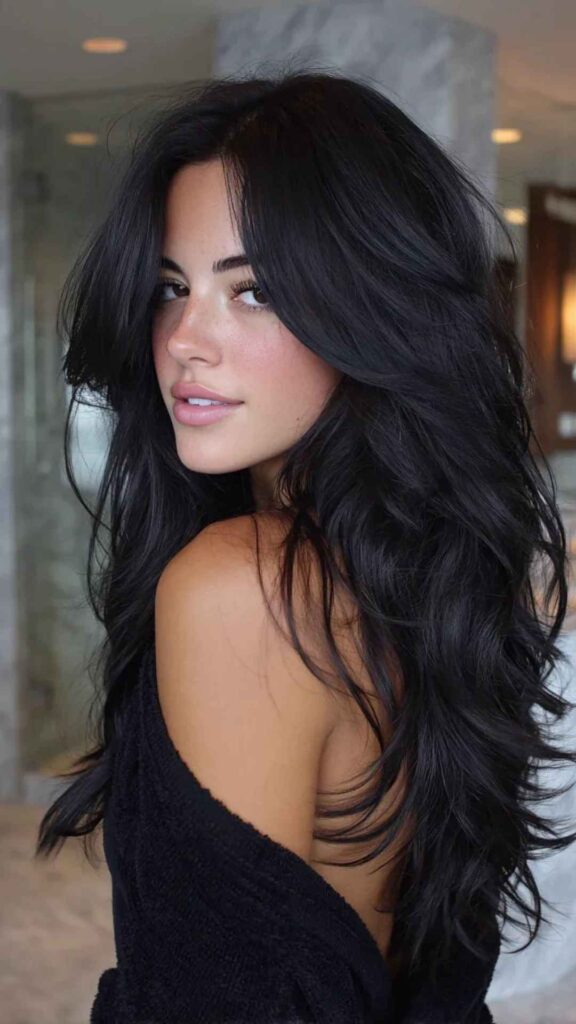
Small styling choices make a big difference with black hair color. Since this shade creates such strong contrast, everything from your makeup to your outfit colors plays a bigger role than usual.
These finishing touches don’t take much effort, but they make black hair color look polished and pulled together rather than accidental.
Boost Shine Naturally
A hair shine routine built around cool water rinses and minimal heat keeps black hair color looking its best. Silk pillowcases reduce friction overnight, which helps preserve that smooth, reflective black hair finish.
Makeup Colors That Complement Black Hair
Makeup for black hair often leans toward berry, red, or warm nude lip colors for black hair. These shades stand out beautifully against dark hair without competing with it. A touch of bronzer adds warmth back into the face when the contrast feels too strong.
Clothing Colors That Pair Well with Black Hair
Outfit colors for black hair range from soft neutrals like cream and gray to bold jewel tones. Both directions work, since black hair color acts like a blank canvas that lets clothing colors take center stage.
Eyebrow Tips for Black Hair
Bold brows help balance the face when your hair goes this dark. A slightly deeper brow gel keeps your features looking intentional, though brows don’t need to match your hair color exactly to look right.
Common Mistakes to Avoid When Dyeing Hair Black
Many hair color disasters happen from rushing the process. Skipping a strand test is one of the biggest mistakes, since it’s the only way to know how your specific hair will react to a new dye. Uneven saturation causes patchy results, especially near the roots and hairline, so full, even coverage matters more with black hair color than almost any other shade.
Hair porosity also plays a bigger role than most people expect. Previously colored or damaged hair absorbs pigment differently than virgin hair, which can create unexpected results if you don’t account for it beforehand. Choosing the wrong undertone for your skin is another common issue, often leading to a color that feels harsh instead of flattering. Over-washing right after coloring strips pigment fast, and attempting a major color correction, like going from blonde to black, without professional help often ends in damage or an uneven finish that takes months to fix properly.
Read More About: 15 Best Ash Brown Hair Color Ideas for a Cool-Toned Hair Refresh (2026 Guide)
Can You Go Back from Black Hair to Brown or Blonde?
Going lighter after black hair color is possible, but it’s rarely quick. Permanent black hair color clings to the hair shaft tightly, and lifting it out takes time, patience, and usually professional help.
Color removers can lift some pigment, and bleach baths offer another route, though both come with risk to hair health if used incorrectly. A gradual approach, spread across multiple salon sessions, gives the safest and most even result. Rushing this process at home often leads to damage, so professional color correction remains the smartest path if you’re planning to lighten up eventually.
Virtual Hair Color Try-On Tools
Virtual try-on tools let you preview black hair color before making any real commitment. These tools use your photo to simulate different shades, giving you a realistic idea of how jet black, blue black, or soft black might actually look on you.
A good try-on tool includes a wide shade range, accurate color rendering, and the ability to compare multiple black hair shades side by side. Testing a few options virtually before booking a salon appointment saves time and helps you walk in with a clearer idea of what you want.
Find Your Perfect Black Hair Shade (Hair Color Quiz)
Not sure which shade fits you best? A short quiz can help match your skin undertone, eye color, and style preference to one specific black hair color from this guide. Think about three things before you start: your hair color undertones, how bold you want the contrast to look, and how much maintenance you’re realistically willing to commit to.
If you prefer a simple self-check instead of a formal quiz, match your undertone to the skin tone section above, then compare your answer against the shade table earlier in this guide. That combination alone gets most people very close to their ideal black hair color.
The History and Cultural Significance of Black Hair
Black hair color is one of the most common natural hair colors on the planet, and its cultural weight runs deep across many communities. In many Asian cultures, black hair has long been tied to ideas of youth, health, and tradition, often styled in ways that honor family and heritage. Across parts of Africa, black hair carries strong ties to identity, community, and personal expression, with styling techniques passed down through generations.
In Latin American and Middle Eastern traditions, black hair frequently connects to broader ideas of beauty and status, shaping fashion trends across decades. Modern black hair color today blends all of this history with fresh trends like glossing and high-shine treatments. The result is a shade that feels both timeless and completely current, carrying meaning while still evolving with each new season.
FAQ’s
What Is the Darkest Black Hair Color?
Jet black is the darkest shade available. It sits at level 1 hair color, meaning it’s as dark as hair color gets on the standard color wheel.
Does Black Hair Color Fade Quickly?
Black hair color fades slower than lighter shades. The bigger concern is dullness, not color loss, so a consistent hair shine routine matters more than fighting fading itself.
What Colors Look Best with Black Hair?
Berry and red lip colors for black hair work beautifully. Neutral or jewel-toned clothing also pairs well, since black hair color acts as a striking, high-contrast backdrop.
Which Black Hair Shade Is Best for Warm Skin?
Soft black, brown black, and natural black all flatter warm skin tones best. These shades echo natural warmth instead of fighting against it.
Conclusion
Black hair color offers far more range than most people realize. From soft black to jet black to blue black, each shade brings its own personality and level of drama. The right choice comes down to matching your hair color undertones, understanding your skin tone, and being honest about how much maintenance you’re ready to commit to.
Once you’ve found your shade, the real work is keeping it glossy. Regular shine treatments, color-safe conditioner, and consistent root touch-up appointments turn a good color into a great one. Whether you’re planning a bold black hair transformation or easing into something softer, this guide gives you everything you need to make a confident, informed choice.