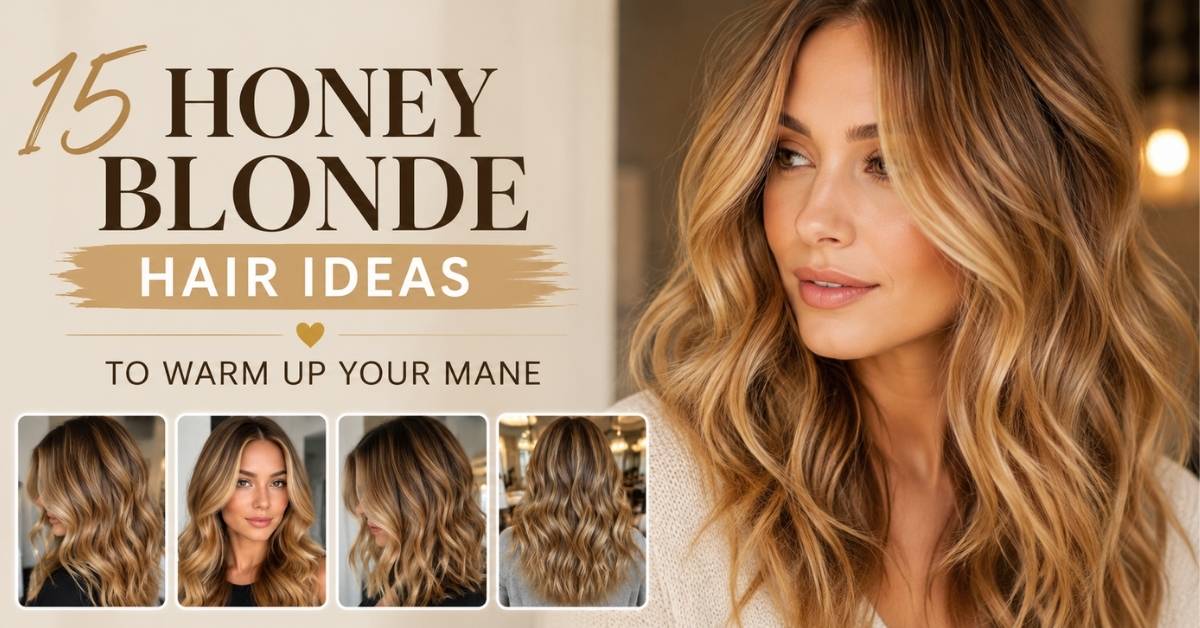
15 Stunning Honey Blonde Hair Ideas to Inspire Your Next Salon Visit
Honey blonde hair is everywhere right now. Walk into any salon in the U.S. this season, and you will hear the same request over and over. Clients want honey blonde hair color. They bring photos. They ask for warmth without going too bright. They want a shade that feels soft, sunny, and easy to live with.
This guide covers everything you need to know. You will learn what is honey blonde hair, who it suits best, and how it compares to other blonde shades. You will also see 15 real honey blonde color ideas, from soft and subtle to bold and dimensional. By the end, you will know exactly what to ask for at your next appointment, and how to keep the color looking fresh long after you leave the chair.
What Is Honey Blonde Hair?
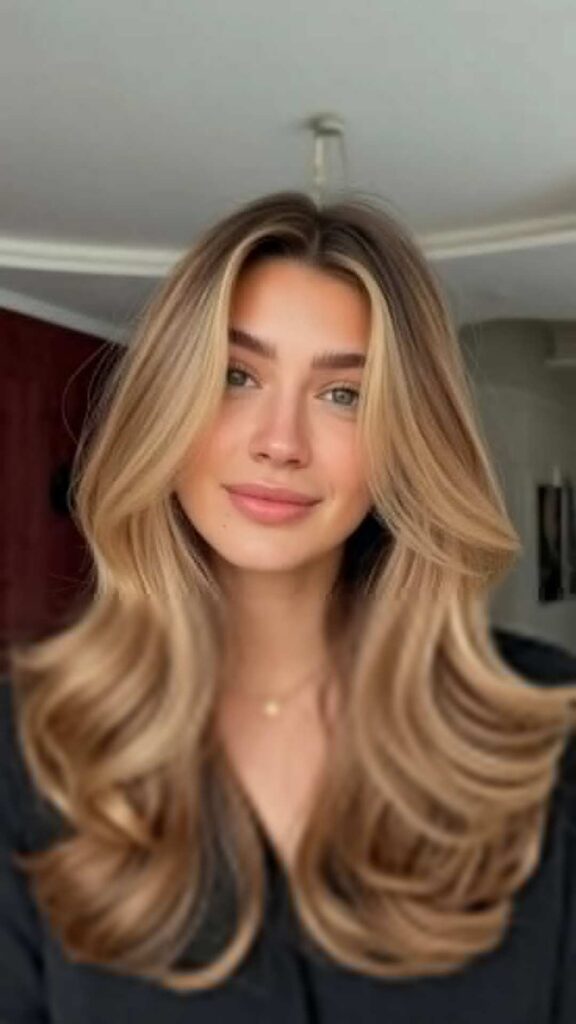
Honey blonde sits in a sweet spot. It is not too warm. It is not too cool. It blends gold and amber tones into one soft, glowing shade. That balance is exactly why colorists love it, and why it works on so many different people.
Think of a jar of real honey held up to the light. That warm, golden-brown glow is the exact tone colorists chase when they mix this shade. It reads as natural blonde hair, even on people who were never naturally blonde at all.
What Is a Honey Blonde Hair Color?
So, what is honey blonde hair, exactly? It is a warm, neutral blonde shade built from gold and amber undertones. It sits between golden blonde hair and caramel blonde hair on the color spectrum, borrowing brightness from one and richness from the other.
Colorists often describe it as a “middle” blonde. It is darker and warmer than champagne blonde or icy platinum shades. It is lighter and softer than deep honey brown hair. This middle-ground quality makes it one of the most requested blonde hair color options in American salons today, because it rarely looks harsh or fake under normal light.
Who Looks Best with Honey Blonde Hair?
Almost everyone can wear this shade, and that is the real magic of it. Honey blonde for fair skin looks soft and glowing, especially when paired with lighter face-framing pieces. Honey blonde for olive skin brings out warmth without clashing, since olive undertones already lean golden. Honey blonde for deep skin tones adds rich contrast and a beautiful sun-kissed glow that photographs well in any lighting.
Undertone matters just as much as skin depth. Honey blonde for warm undertones looks completely natural, almost like the sun did it. Honey blonde for cool undertones still works, but colorists usually shift the mix slightly cooler, leaning toward beige honey blonde instead of a golden-heavy formula. Hair texture is flexible too. Straight, wavy, and curly hair all carry this tone well, since the warmth catches light differently across every texture and adds natural-looking dimension.
Read More About: 30 Best Light Brown Hair Color Ideas to Try in 2026
Honey Blonde vs Golden Blonde: What’s the Difference?
People confuse these two shades constantly, so let’s clear it up. Golden blonde hair leans brighter and more yellow. It has less brown or amber mixed in, so it can look bolder and more saturated. Honey blonde is quieter. It carries more amber and a touch of brown, giving it that soft, neutral blonde hair finish instead of a loud, sunny yellow.
| Shade | Undertone | Best For |
| Honey Blonde | Amber, warm-neutral | Warm and neutral undertones, most skin tones |
| Golden Blonde | Bright yellow-gold | Warm undertones, fair to medium skin |
| Caramel Blonde | Deep amber-brown | Warm undertones, brunettes transitioning to blonde |
| Beige Honey Blonde | Cool-neutral, muted gold | Cool and neutral undertones |
This table shows why honey blonde is often the safer, more versatile pick. It splits the difference between bold and subtle, which is exactly what most clients want from a blonde transformation.
15 Best Honey Blonde Hair Color Ideas
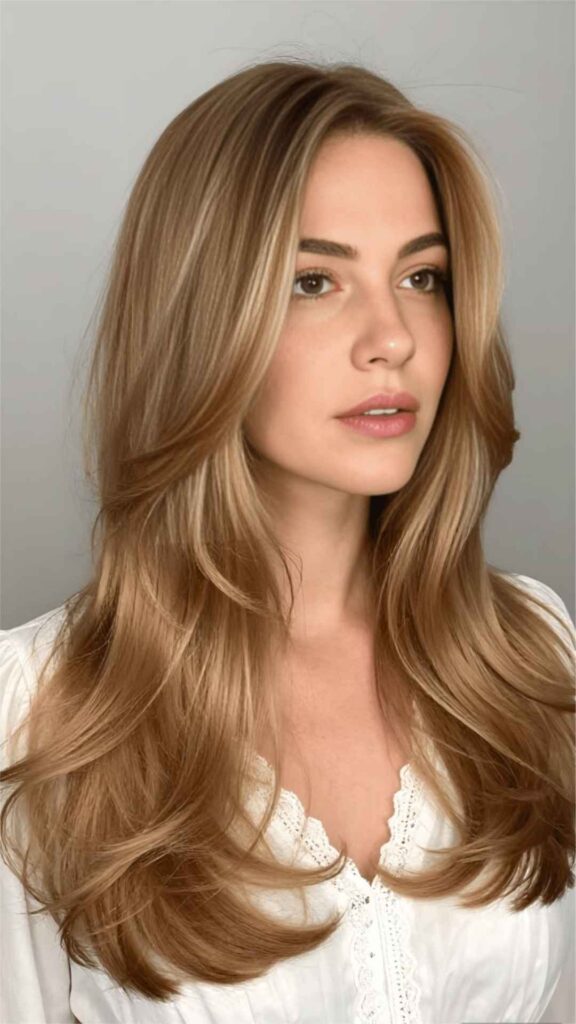
Below are 15 of the best honey blonde color ideas trending in salons across the country right now. Each one uses a slightly different technique or tone, so there is something here whether you want a full blonde transformation or a small, low-commitment change.
These looks range from light honey blonde to dark honey blonde, and from full color to soft, hand-painted highlights. Bring one of these photos to your professional colorist, and you will walk out with exactly the look you pictured.
1. Classic All-Over Honey Blonde
This is the purest version of the shade. A single-process color coats every strand in warm, golden honey blonde tone. It is bold, consistent, and instantly recognizable as honey blonde from across the room.
This look suits people who want a dramatic blonde transformation in one visit. It works best on hair that is already light to medium brown, since it needs less lifting to reach a rich, even honey tone. Maintenance is simple too, since there is only one color to touch up at the root.
2. Honey Blonde Highlights
Honey blonde highlights add warmth without changing your whole head of hair. A colorist weaves thin, warm strands through your natural base using foils, creating soft dimensional blonde hair instead of one flat tone.
This is one of the most popular options for honey blonde hair for brunettes. It keeps your natural depth at the root while brightening the mid-lengths and ends. The result looks lived-in and natural, almost like the sun did it over a summer season.
3. Golden Honey Blonde
This variation leans brighter and bolder than classic honey blonde. It pulls more from the golden blonde hair family, giving hair a sunny, radiant finish that catches light beautifully outdoors.
Golden honey blonde suits warm undertones best. It looks especially striking on medium to olive skin tones, where the gold tones seem to glow rather than overpower. This shade photographs wonderfully in natural daylight, which is part of why it trends every spring and summer.
4. Honey Caramel Blonde
Honey caramel blonde blends two warm shades into one rich, layered color. It combines the golden glow of honey with the deeper, toffee-like richness of caramel, creating real depth throughout the hair.
This shade is a favorite for anyone moving from brunette toward blonde gradually. It never looks like a drastic change, since caramel tones bridge the gap between dark and light so smoothly. Colorists often recommend it as a stepping stone toward lighter honey shades over multiple sessions.
5. Light Honey Blonde
Light honey blonde softens the classic shade into something more delicate. It keeps the warm undertone but lifts the overall color several shades lighter, closer to wheat blonde or soft buttery blonde territory.
This look flatters fair skin especially well, since it avoids harsh contrast between hair and complexion. It also works beautifully for anyone wanting a subtle honey blonde summer hair refresh without committing to a heavy, all-over color change.
6. Honey Blonde Balayage
Honey blonde balayage is a hand-painted technique, applied freehand rather than through foils. The result is a soft, seamless blend from root to tip, with no harsh lines anywhere in sight.
This is one of the most requested honey blonde balayage ideas because it grows out gracefully. Since color is painted mainly onto the surface, regrowth looks natural for months. It is a genuinely low-maintenance blonde option, which makes it ideal for busy schedules and infrequent salon visits.
7. Copper Honey Blonde
Copper honey blonde pushes the shade in a warmer, reddish direction. It mixes classic honey tones with subtle copper undertones, creating a rich, fiery glow that stands out from typical blonde shades.
This look suits warm undertones and those who already carry natural red or auburn tones in their hair. It reads as bold and confident, closer to a true amber blonde than a soft neutral shade, and it pairs beautifully with fair to medium skin.
8. Honey Blonde Babylights
Honey blonde babylights use extremely fine highlights, much thinner than standard foils. The technique mimics the delicate, sun-lightened strands children naturally develop from playing outdoors all summer.
This is a gentle way to introduce honey blonde hair with highlights without overwhelming your natural base color. The subtle, natural-looking highlights blend so well that many people assume the color is completely untouched. It suits fine hair especially well, since the fine sections avoid excess bulk or heaviness.
Read More About: Best Dark Red Hair Color Ideas to Transform Your Look in 2026
9. Beige Honey Blonde
Beige honey blonde cools the classic shade down slightly. It mutes the gold with soft ash tones, landing somewhere between warm honey and cooler beige blonde territory.
This shade works well for honey blonde for cool undertones, since it avoids the brassiness that pure golden tones can sometimes bring out on cooler complexions. It reads as sophisticated and understated, a favorite among clients who want warmth without looking overly sun-kissed.
10. Honey Blonde Money Piece
A honey blonde money piece brightens just the front, face-framing sections of hair. The rest of the hair stays closer to its natural shade, keeping the transformation focused and budget-friendly.
This technique gives instant brightness around the face, which is why it counts as true face-framing highlights. It suits anyone wanting a quick, high-impact change without a full head of color. It also works wonderfully as a first step for honey blonde hair for dark hair, easing into the shade gradually.
11. Honey Bronde
Honey bronde blends brown and blonde into one cohesive shade, sitting right at the intersection of the two. It gives the richness of brunette hair with the warmth and glow of honey blonde woven throughout.
This is a top pick for honey blonde hair for brunettes who are not ready to go fully blonde. Bronde tones require less bleaching, since the base stays closer to natural brown. The result feels rich, wearable, and completely on-trend for everyday, real-life hair.
12. Sun-Kissed Honey Blonde
Sun-kissed blonde hair looks exactly like its name suggests. Warm honey tones concentrate toward the ends and around the face, mimicking natural sun exposure over a long summer season.
This is the ultimate honey blonde summer hair look. It uses color melting to blend gradually from a slightly darker root into brighter honey ends, creating a soft, effortless gradient. Beach vacations, pool days, and long walks outside only make this shade look more believable over time.
13. Dark Honey Blonde
Dark honey blonde deepens the classic shade for a richer, moodier finish. It keeps the warm undertone intact but pulls the overall lightness down, closer to a light honey brown hair tone.
This shade suits anyone who wants warmth but prefers lower-maintenance color. Since it sits closer to natural brunette depth, regrowth stays far less noticeable between salon visits. It also flatters deeper skin tones beautifully, adding warmth without overwhelming contrast against the complexion.
14. Dimensional Honey Blonde
Dimensional blonde hair combines multiple honey shades in one head of hair. A colorist layers lighter and darker honey tones together, sometimes called honey blonde ribbons, to create depth that a single flat color could never achieve.
This is a true multi-tonal blonde approach, and it suits thick or long hair especially well, since the varied tones add visible movement. Dimensional color also hides regrowth more effectively, since the multiple shades disguise the line between new growth and processed hair.
15. Rooted Honey Blonde
Rooted blonde hair keeps a soft, natural shadow at the root, then transitions into full honey blonde through the mid-lengths and ends. This is achieved through a root smudge or root melt technique, blending darker roots seamlessly into lighter lengths.
This look is one of the most popular salon blonde requests today, largely because it grows out so gracefully. There is no harsh line to touch up constantly, which makes it a genuinely low-maintenance blonde choice. It also adds instant depth and dimension, framing the face with soft, natural-looking shadow.
Read More About: 15 Best Ash Brown Hair Color Ideas for a Cool-Toned Hair Refresh (2026 Guide)
How to Get the Perfect Honey Blonde Hair Color
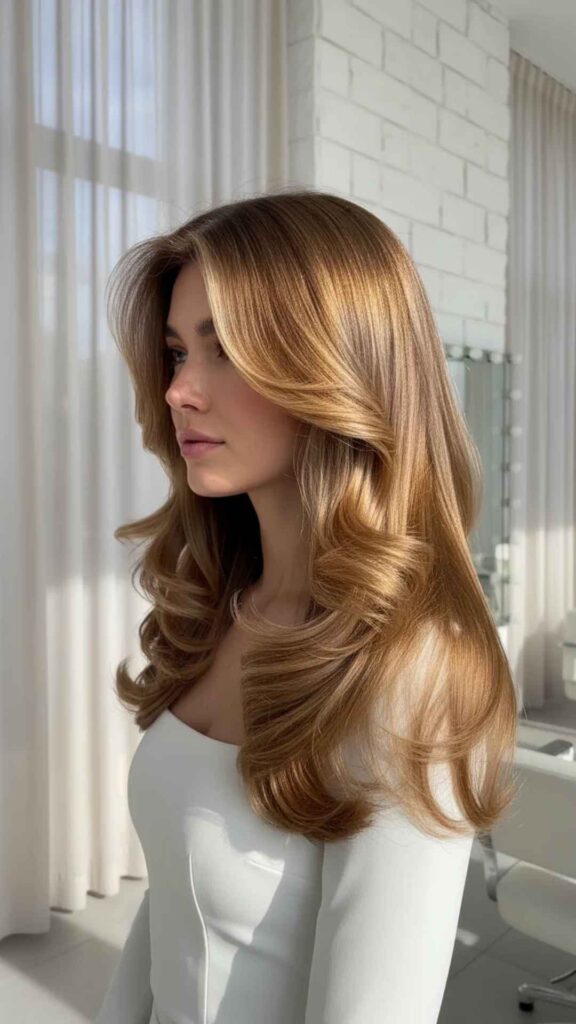
Getting salon-quality hair color starts with choosing the right technique for your hair type and lifestyle. Every method below achieves honey blonde, but each one comes with a different level of commitment, cost, and maintenance.
Talk through these options with your professional colorist before booking. A good consultation, including reference photos, ensures your custom blonde hair formula matches exactly what you picture in your head, rather than leaving results up to guesswork.
All-Over Honey Blonde Color
This method uses a single, permanent hair dye or demi-permanent hair color applied from root to tip. It delivers the most even, saturated honey tone, and it works fastest for anyone wanting a complete color change in one appointment.
Application typically takes one to two hours, depending on hair length and thickness. Since the entire head processes at once, colorists closely monitor timing to avoid over-processing, especially on finer or previously colored hair.
Honey Blonde Highlights
Highlights use foils to isolate small sections of hair before applying lightener. This creates blonde highlights that sit distinctly against your natural base, offering visible contrast rather than a soft blend.
Sessions typically run two to four hours, depending on how many foils your colorist places. This method suits anyone wanting noticeable brightness while keeping their natural depth intact underneath.
Honey Blonde Balayage
Blonde balayage skips foils entirely in favor of freehand painting. Lightener gets swept onto the surface of the hair in soft, sweeping strokes, concentrating more product toward the ends than the roots.
This technique, sometimes paired with foilyage for extra lift, creates that soft, seamless blend everyone loves. Sessions run similarly long to highlights, but the growout looks far more natural, often stretching maintenance visits out by several extra weeks.
Should You Bleach Your Hair First?
This depends entirely on your starting shade. Naturally light brown or dark blonde hair often reaches honey tones with gentle lightener alone, avoiding harsh bleach damage altogether. Dark brown or black hair usually needs bleach first to strip enough pigment before honey tones can show through properly.
Honey blonde for dark hair and honey blonde on black hair almost always require this step. A skilled colorist will lighten gradually across multiple sessions rather than rushing the process in one sitting, protecting hair health along the way. Rushing this step risks breakage, so patience really does pay off here.
How to Maintain Honey Blonde Hair
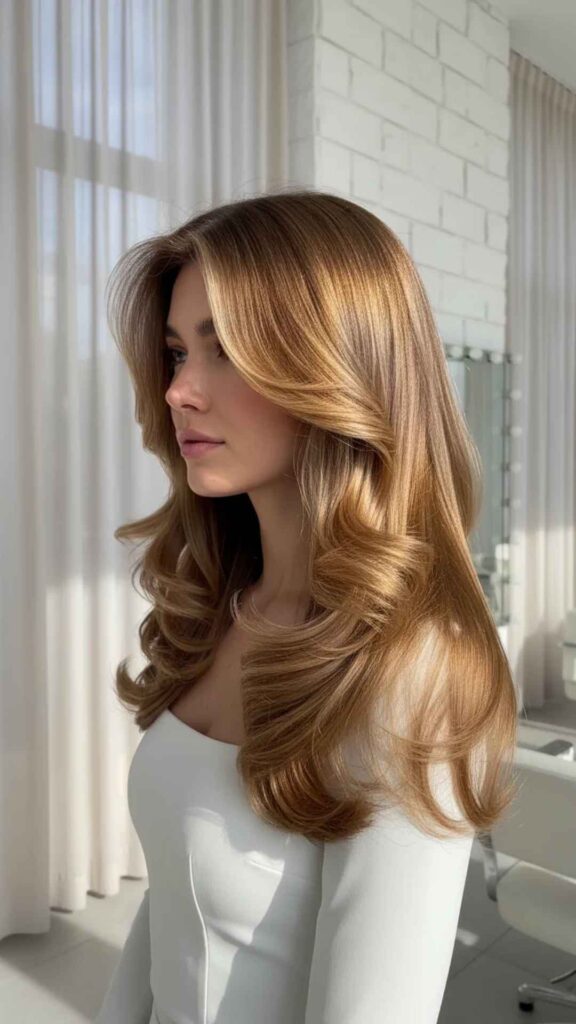
Blonde hair fades faster than darker shades, so honey blonde color maintenance matters more than people expect. The good news is that a few consistent habits keep this shade looking fresh, glossy, and salon-perfect for weeks between visits.
Good blonde hair care protects both the color and the hair itself. Bleached or lightened strands need extra moisture and protection, since the lightening process naturally weakens the hair shaft over time.
Use a Color-Safe Shampoo
A color-safe shampoo protects your investment every time you wash. Look for a sulfate-free shampoo specifically, since sulfates strip color molecules from hair far faster than gentler cleansing formulas.
Washing two to three times a week, rather than daily, also helps color last longer. Every wash fades pigment slightly, so spacing out washes preserves that rich, healthy blonde hair glow for longer stretches at a time.
Prevent Brassiness
Brassy hair happens when warm undertones fade unevenly, leaving behind unwanted yellow or orange tones. An anti-brass shampoo, often labeled as purple shampoo, neutralizes these tones by depositing cool purple pigment onto the hair.
Use purple shampoo once or twice a week, not every day, since overuse can leave hair looking dull or overly ashy. This single habit keeps honey blonde looking warm and intentional, rather than faded and brassy.
Deep Condition Weekly
Deep conditioning restores moisture that lightening treatments strip away. A weekly mask, paired occasionally with a bond repair treatment, rebuilds strength inside the hair shaft rather than just coating the surface.
A leave-in conditioner adds an extra layer of daily protection too. Applied after washing, it detangles hair and shields strands from friction and breakage throughout the day, keeping honey blonde looking smooth and glossy.
Protect Hair from Heat and UV Damage
A heat protectant should be applied before every single styling session, no exceptions. Heat tools without protection cause dryness and dullness, both of which fade golden tones far faster than normal wear.
UV protection for hair matters just as much, especially during summer months. Sun exposure fades color and dries out strands, so a UV-protective spray helps maintain that rich, sun-kissed hair glow instead of letting it turn dull and brittle.
Schedule Regular Toner Appointments
A gloss treatment or toner appointment every four to six weeks keeps honey blonde looking fresh and vibrant. Toner refreshes faded pigment and restores shine-enhancing hair care results between full color sessions.
This step matters more than people realize. Without regular toning, even the best honey blonde color gradually shifts warmer or duller over time, losing that glossy, high-shine blonde finish clients love most.
Read More About: Black Hair Color Guide (2026): Best Shades, How to Get It & Care Tips
Best Hair Care Products for Honey Blonde Hair
The right products make a noticeable difference in how long honey blonde color lasts. Below is a simple breakdown of what every honey blonde client should keep in their shower and styling routine.
| Product Type | Purpose | Best For |
| Purple Shampoo | Neutralizes brassy, yellow tones | Weekly use on all honey blonde shades |
| Color-Safe Conditioner | Locks in pigment, adds softness | Daily use after every wash |
| Bond Repair Treatment | Rebuilds strength after bleaching | Weekly, especially on bleached hair |
| Leave-In Conditioner | Detangles and protects strands daily | Fine to thick hair types |
| Heat Protectant Spray | Shields hair from styling tool damage | Before every heat styling session |
| UV Protection Spray | Prevents sun fading and dryness | Summer months, outdoor activities |
| Gloss Treatment | Refreshes shine and tone between colors | Every four to six weeks |
Using this routine consistently keeps honey blonde hair looking glossy, healthy, and true to its original warm tone for much longer between salon visits.
Frequently Asked Questions
Is honey blonde a warm or cool hair color?
Honey blonde is primarily a warm shade, built from gold and amber tones. However, colorists can adjust the formula to lean slightly cooler, creating beige honey blonde, for clients with cool undertones.
Does honey blonde suit dark skin?
Yes, honey blonde flatters deep skin tones beautifully. The warm, amber base creates rich contrast against darker complexions, giving off a healthy, radiant glow rather than looking washed out.
Can brunettes achieve honey blonde hair?
Absolutely. Honey blonde hair for brunettes is one of the most requested transformations in salons today. Colorists typically lighten gradually across a few sessions to protect hair health during the process.
How long does honey blonde hair color last?
Full color typically lasts four to six weeks before roots need touching up. Balayage and highlights stretch longer, often eight to twelve weeks, since regrowth blends more naturally into the style.
What is the difference between honey blonde and caramel blonde?
Honey blonde leans lighter and more neutral, while caramel blonde hair sits deeper and richer, closer to brown. Many colorists blend the two, creating honey caramel blonde, for a shade with layered depth.
Final Thoughts
Honey blonde hair earns its popularity honestly. It flatters nearly every skin tone, works with almost any undertone, and adapts to dozens of techniques, from bold all-over color to soft, barely-there babylights. Whether you want a full blonde transformation or a subtle refresh, this shade delivers warmth without ever looking harsh or artificial.
Before your next appointment, gather a few honey blonde before and after photos that match the exact tone you want. Share them with your professional colorist, discuss your hair’s current condition, and choose a maintenance routine you can realistically stick with. Do that, and you will walk out with honey blonde hair inspiration turned into reality, glowing, healthy, and completely your own.