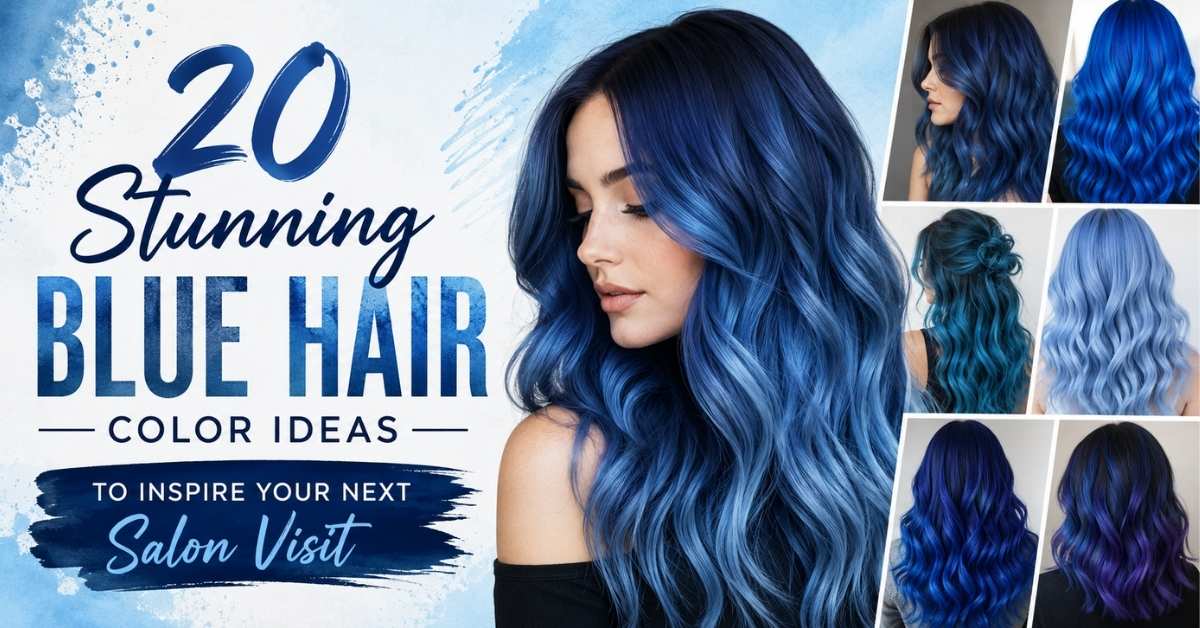
20 Stunning Blue Hair Color Ideas to Transform Your Look in 2026
Blue hair is having a huge moment in 2026. Walk into any hair salon in the USA right now, and you will likely see a client asking for some shade of blue. This trend is not just for punk rockers anymore. It has become one of the most requested hair color ideas among people who want a bold change. Whether you want a soft hint of color or a full hair makeover, there is a shade of blue for you.
This guide walks you through 20 gorgeous blue hair color options. You will also learn how to choose the right shade, how to get the look safely, and how to make your color last. We packed this post with facts, tables, and simple tips. No confusing jargon here. Just clear, useful blue hair inspiration you can actually use.
What Is Blue Hair?
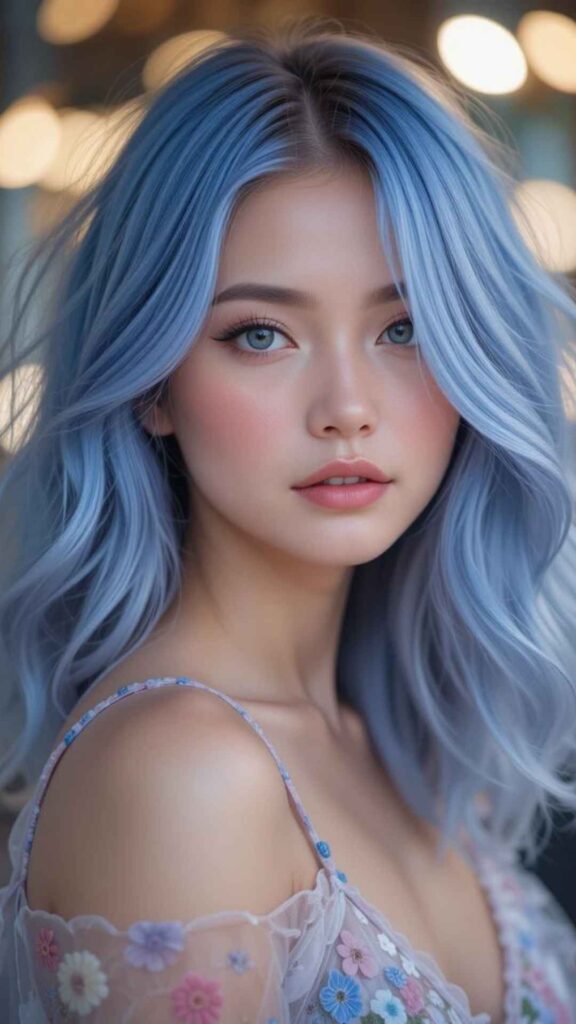
Blue hair color is exactly what it sounds like. It is hair dyed using a blue-based pigment, ranging from a subtle navy tint to a bright, electric shade. People achieve this look with semi-permanent blue hair, permanent blue hair, or temporary blue hair products, depending on how long they want the color to stick around. Some shades need heavy hair bleaching first. Others can go straight onto darker hair with a more muted result.
Blue is considered a fantasy hair color, which simply means it does not occur naturally in human hair. This category also includes purples, greens, and pinks. But blue remains one of the most popular choices because it looks good on so many people. It works as a full head of color, or as small blue highlights woven through your natural shade. Some clients even mix it with black or silver for a more editorial, fashion hair color vibe. No matter how you wear it, blue hair sends a clear message: you are ready for a change, and you are not afraid to stand out.
Who Looks Best with Blue Hair?
Here is some good news. Almost anyone can wear blue hair color, as long as they pick the right shade. The key is matching the tone of blue to your skin’s undertone. Cool undertones usually pair beautifully with icy blue, navy blue hair, or royal blue hair. Warm undertones often look better with teal blue hair or shades that lean slightly green, since these soften the contrast against golden or peachy skin.
Eye color plays a role too. Blue-eyed people often love electric blue hair because it creates a striking, matching effect. Brown-eyed people tend to shine with midnight blue hair or denim blue hair, since the contrast makes their eyes pop even more. Green-eyed people usually do well with teal or turquoise blue hair, which blends warm and cool tones together. Your lifestyle matters too. If you work in a formal office, a subtle blue black hair or blue peekaboo hair style might suit you better than a full head of vibrant blue hair.
Read More About: 30 Best Light Brown Hair Color Ideas to Try in 2026
| Skin Undertone | Best Blue Shades |
| Cool | Ice blue, navy blue, royal blue |
| Warm | Teal blue, denim blue, ocean blue |
| Neutral | Sky blue, pastel blue, sapphire blue |
How to Choose the Right Shade of Blue Hair
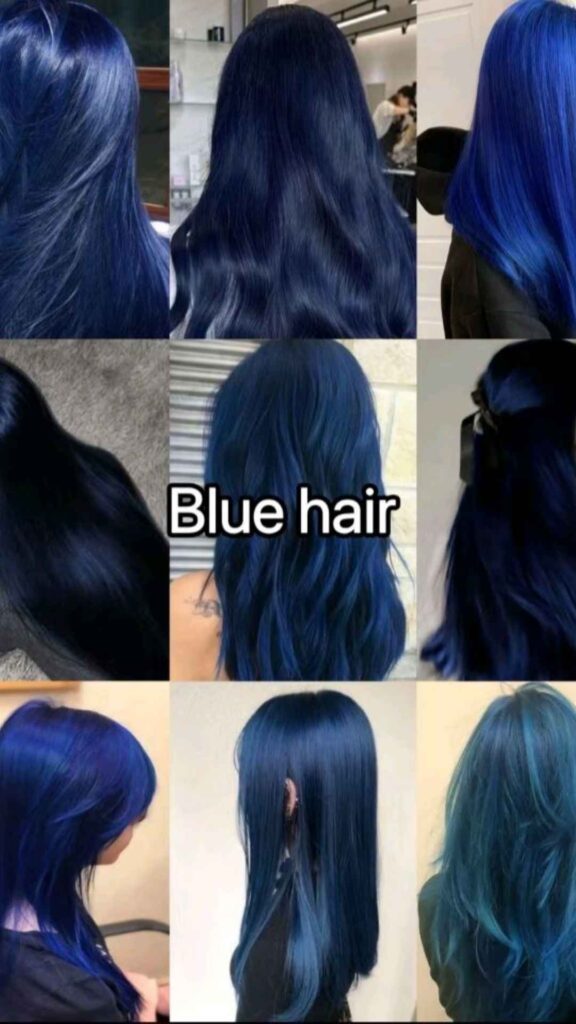
Choosing the right shade comes down to a few honest questions. How much upkeep are you willing to handle? Do you want a subtle shift or a dramatic hair transformation? Are you starting from dark hair, or do you already have a lighter base? Your current hair color affects how much hair bleaching you will need before the blue dye can show its true color.
If you want something low-commitment, start with blue highlights or a blue ombre hair look, since these only affect part of your hair. If you are ready for a bold statement, go for a full head of bright blue hair like electric blue or cobalt blue. Think about your daily routine too. Vivid shades fade faster and need more hair color maintenance, while deeper blues like navy or midnight blue tend to hold on longer. There is no wrong answer here. It is really about what fits your life and your comfort level with color.
20 Shades of Blue Hair to Try in 2026
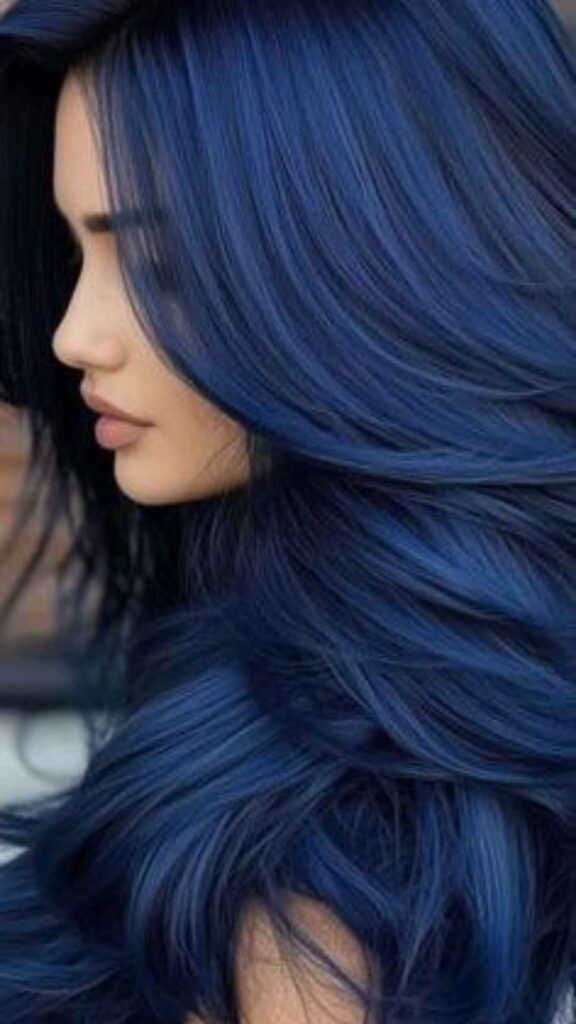
Below are 20 of the best blue hair shades trending right now. Each one has its own personality, so read through and see which one feels like you.
Navy Blue Hair
Navy blue hair is a deep, rich shade that looks almost black in low light but reveals its blue tone under the sun. This is one of the most wearable dark blue hair options because it blends easily into most workplaces and daily settings. It works especially well on people with naturally dark hair, since it requires little to no bleaching. Many colorists recommend navy as a starting point for anyone nervous about trying dyed blue hair for the first time.
This shade also pairs beautifully with blue black hair techniques, where sections of true black sit alongside the navy tone for extra depth. Because navy blue is so subtle, it holds its color longer than brighter shades. It is a smart, stylish choice if you want the drama of blue without the constant salon visits.
Midnight Blue Hair
Midnight blue hair takes the idea of navy and pushes it slightly richer and more jewel-toned. Think of a starry night sky rather than a plain dark blue. This shade flatters fair to medium skin tones especially well, since the contrast brings out a lovely glow. Celebrities on red carpets have worn this shade for years because it photographs beautifully under different lighting.
Like navy, midnight blue does not usually require heavy bleaching if your hair is already brown or black. It is a great pick for anyone wanting fashion hair color that still feels elegant rather than extreme. Pair it with soft waves for a romantic, moody finish that turns heads without shouting for attention.
Royal Blue Hair
Royal blue hair is bold, saturated, and unmistakably vibrant. This shade demands a light base, which usually means significant hair bleaching before application. Once achieved, though, the payoff is stunning. Royal blue reads as confident and glamorous, often compared to sapphire gemstones.
This is one of the best blue hair color ideas for anyone who wants maximum visual impact. It suits both short and long hair equally well, though it does require regular hair color maintenance since vivid shades fade faster than muted ones. A good color depositing shampoo can help keep the richness alive between salon visits.
Electric Blue Hair
If you want the brightest shade on this list, electric blue hair is it. This nearly neon tone needs a base that is close to white or very pale yellow, so heavy bleaching is almost always required first. It fades faster than any other shade here, sometimes within a few weeks, so be ready for regular touch-ups.
Electric blue hair is especially popular in creative industries, music scenes, and among festival-goers who love a fearless look. It pairs wonderfully with blue highlights for extra dimension, or as a solid, all-over color for the boldest possible hair transformation.
Ice Blue Hair
Ice blue hair is pale, cool, and almost silvery in appearance. It looks gorgeous on platinum blonde bases and tends to suit cool undertones the best. Because it sits so close to silver, this shade requires regular hair toner applications to prevent yellowing or brassiness from creeping back in.
This is a favorite among people who already have very light, bleached hair and want to add a whisper of color rather than a bold statement. Combined with sulfate-free shampoo, ice blue can stay fresh and frost-like for weeks at a time.
Read More About: Best Dark Red Hair Color Ideas to Transform Your Look in 2026
Pastel Blue Hair
Pastel blue hair is soft, dreamy, and gentle on the eyes. It is achieved by diluting vivid blue dye with a clear conditioner, which creates that whisper-light effect. This shade fits perfectly into the “soft girl” or cottagecore aesthetic that remains popular in 2026.
As pastel blue fades, it often turns into a beautiful, almost white-blue tone, which many people actually prefer over the original color. It works on both light and pre-lightened dark hair, making it a flexible option for many different starting points.
Sky Blue Hair
Sky blue hair sits right between pastel and electric, offering a bright but still soft appearance. This shade is a wonderful transitional color for people testing out vivid hair dye for the first time. It photographs well in natural light and feels fresh, youthful, and playful.
Sky blue works nicely as a full color or blended with blue balayage for a sun-kissed, airy finish. It is also a low-pressure way to experiment with bright blue hair before committing to something more intense like electric or royal blue.
Denim Blue Hair
Denim blue hair gets its name from its faded, worn-in appearance, similar to a favorite pair of jeans. This muted shade feels casual and low-maintenance, which makes it appealing for people who want color without a demanding routine.
Denim blue complements warm undertones particularly well, and it ages gracefully as it fades, rarely looking patchy or harsh. It is one of the more forgiving blue hair shades on this list, ideal for anyone new to fantasy color.
Teal Blue Hair
Teal blue hair blends blue and green together, creating a shade that flatters warmer skin tones better than a pure blue would. This color has strong ties to bohemian and mermaid-inspired looks, and it remains one of the most requested hair color trends 2026 has to offer.
Teal works beautifully as an all-over color or mixed with turquoise blue hair and aqua blue hair tones for a layered, ocean-inspired effect. It is a versatile shade that suits both short and long hairstyles.
Blue Black Hair
Blue black hair combines glossy black with a subtle blue sheen that only shows under certain lighting. This is one of the most workplace-friendly options on our list since it reads as simply “black” in most everyday settings. A quality hair gloss treatment enhances that blue shimmer beautifully.
This shade requires very little upkeep compared to vivid blues, since the base color is dark and natural-looking. It is a smart choice for anyone who wants a hint of statement hair without a dramatic, all-out color change.
Blue Ombre Hair
Blue ombre hair features a gradual transition from your natural roots into blue ends. Because the color starts subtly at the top, regrowth blends in naturally, which means fewer trips to the salon for root touch-ups. This makes ombre one of the more practical blue hair color ideas for busy people.
Ombre works on both blue hair for long hair and shorter styles, though longer hair tends to show off the gradient effect more dramatically. It pairs especially well with waves or curls, which help blend the two tones seamlessly.
Blue Balayage Hair
Blue balayage uses a hand-painted technique to create a softer, more natural-looking gradient than a typical ombre. The color is placed strategically to mimic how sunlight would naturally lighten hair, giving a lived-in, effortless finish.
This technique suits people who want dimension and depth without fully committing to an all-over color. Balayage also tends to grow out more gracefully, since there is no harsh line between your natural color and the blue tone.
Dark Roots with Blue Ends
The dark roots with blue ends look, sometimes called a shadow root technique, has become a major favorite in the hair color trends 2026 conversation. Your natural dark color stays close to the scalp while vivid blue takes over the mid-lengths and ends.
This style drastically reduces how often you need touch-ups, since the natural root color simply blends into your look rather than looking like obvious regrowth. It works particularly well for anyone with naturally dark or black hair who wants a dramatic hair transformation without constant salon visits.
Blue Peekaboo Hair
Blue peekaboo hair hides pops of vivid color underneath the top layers of your hair. The color only reveals itself when your hair moves, gets tucked behind an ear, or is styled into a half-up look. This makes peekaboo blue one of the most workplace-friendly ways to enjoy bold hair colors without full commitment.
It is a fantastic option for people who love the idea of dyed blue hair but need to keep things more conservative for their job or lifestyle. You get all the fun of vivid color, hidden until you want to show it off.
Silver and Blue Hair
Silver and blue hair combines an icy silver base with streaks or sections of blue running through it. This futuristic, editorial look has become popular in high fashion circles and among people who love creative hair colors. The cool tones of silver and blue naturally complement each other, creating a striking, almost metallic finish.
This combination does require a very light, well-maintained base, so regular hair toner treatments are a must to keep the silver from turning yellow or dull.
Black and Blue Hair
Black and blue hair places bold sections of true black next to vivid blue for maximum contrast. This is one of the more dramatic alternative hair colors on our list, often seen in high-fashion editorials and music videos. The sharp contrast between the two shades creates a bold, unforgettable look.
This style suits people who already love dark hair but want to add an unexpected pop of color without going fully blue. It is striking, modern, and endlessly Instagrammable.
Read More About: 15 Best Ash Brown Hair Color Ideas for a Cool-Toned Hair Refresh (2026 Guide)
Purple Blue Hair
Blue hair with purple highlights, often simply called purple blue hair, blends violet and blue tones together for a balanced, flattering effect. This combination works on a surprisingly wide range of skin tones, since the mix of warm violet and cool blue evens out most undertones.
This shade is sometimes referred to as “galaxy hair” when blended with darker purples and blacks, creating a cosmic, dreamy effect. It remains one of the most requested blue hair looks for people who cannot decide between blue and purple.
Blue Mermaid Hair
Mermaid blue hair blends multiple shades of blue, teal, and sometimes purple or green into one flowing, gradient look. This is one of the most viral blue hair looks on social media platforms right now, especially among people with blue hair for long hair.
The multi-tonal blend creates incredible depth and movement, especially when styled with loose waves. It is a labor-intensive color to achieve, often requiring multiple sessions with a colorist, but the dramatic payoff makes it well worth the investment for many.
Blue Highlights on Brown Hair
Blue highlights on blue hair on brown hair bases offer a subtle way to test the waters without a full commitment. Depending on your brown hair’s depth, the colorist can adjust the blue tone to either pop dramatically or blend more softly into your natural color.
This is a wonderful entry point for people who love the idea of blue hair color but are not ready to bleach their entire head. It also grows out gracefully, since only sections of hair carry the vivid tone.
Blue Highlights on Blonde Hair
Blue hair for blonde hair bases tends to show up far more vibrantly than on darker hair, since blonde requires little to no additional bleaching. This makes it one of the easiest ways to achieve vibrant blue hair without a lengthy lightening process.
Face-framing placement or a “money piece” style highlight near the front of the face has become especially popular, giving a bold pop of color exactly where it is most noticeable.
Read More About: Black Hair Color Guide (2026): Best Shades, How to Get It & Care Tips
How to Get Blue Hair
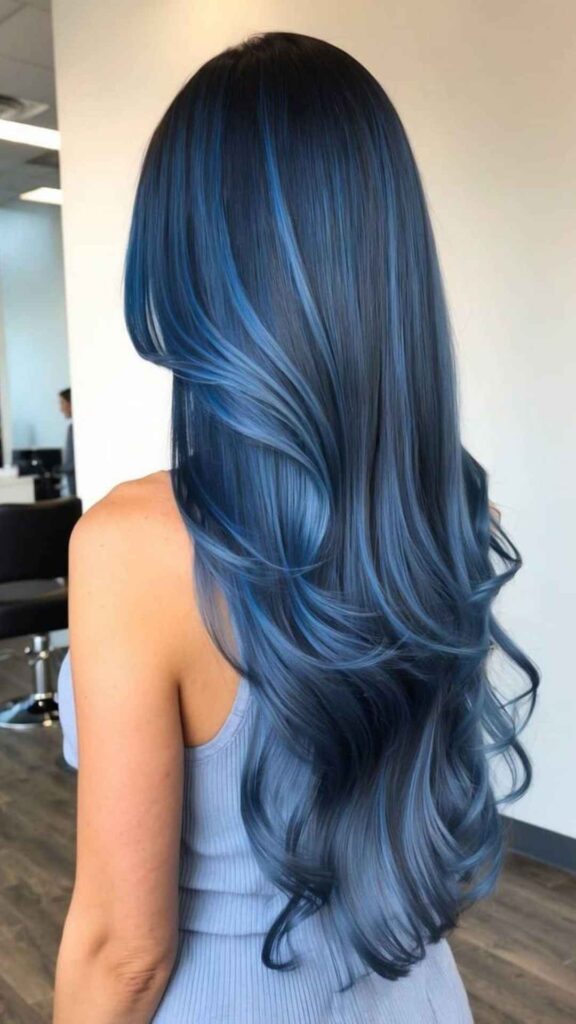
Getting blue hair color is a process, and it usually takes more than one salon visit if you are starting from a dark natural shade. Understanding each step ahead of time will help you plan for the time, cost, and hair health considerations involved. Most vivid blues need a very light base to show their true color, while darker blues can often skip this step entirely.
Working with a professional hair salon is strongly recommended for anyone attempting a dramatic hair transformation, especially if bleaching is involved. A proper hair color consultation beforehand will help you avoid unpleasant surprises and set realistic expectations for both the process and the final result.
Bleaching Your Hair
Hair bleaching is often the first and most important step toward achieving true, vivid blue. Since blue pigment shows its truest color on a light base, most people need to lift their natural hair color significantly before the dye goes on. This is especially true for shades like electric blue hair or royal blue hair, which require an almost-white starting point.
Bleaching can be tough on your hair, so it is worth discussing bond-building treatments with your colorist beforehand. Darker, more muted shades like navy blue hair or denim blue hair can often skip this step, especially if you already have reddish or lighter brown hair as your base.
Choosing the Right Blue Dye
Not all blue hair dye products work the same way. Semi-permanent formulas sit on top of the hair shaft and wash out gradually, usually within a few weeks. Demi-permanent options last a bit longer and involve a gentler chemical process. Permanent blue hair dye penetrates deeper into the hair shaft, offering the longest-lasting color but requiring more upkeep as your natural roots grow in.
A color depositing conditioner or color depositing shampoo can also help maintain your chosen shade between full dye applications, refreshing the pigment without the commitment of a full re-dye.
Salon vs. DIY Blue Hair
Deciding between a professional salon visit and a DIY approach depends on your comfort level, budget, and how dramatic your desired shade is.
| Factor | Salon | DIY |
| Cost | Higher upfront | Lower upfront |
| Skill required | Handled by professional | Requires practice |
| Risk of damage | Lower, managed by expert | Higher if inexperienced |
| Color accuracy | Very precise | Can vary |
| Best for | Bleaching, vivid shades | Touch-ups, toning |
Most colorists recommend leaving the bleaching step to professionals, especially for permanent blue hair results. Once your base is properly lightened, maintaining or refreshing the color at home becomes much safer and easier.
How to Maintain Blue Hair Color
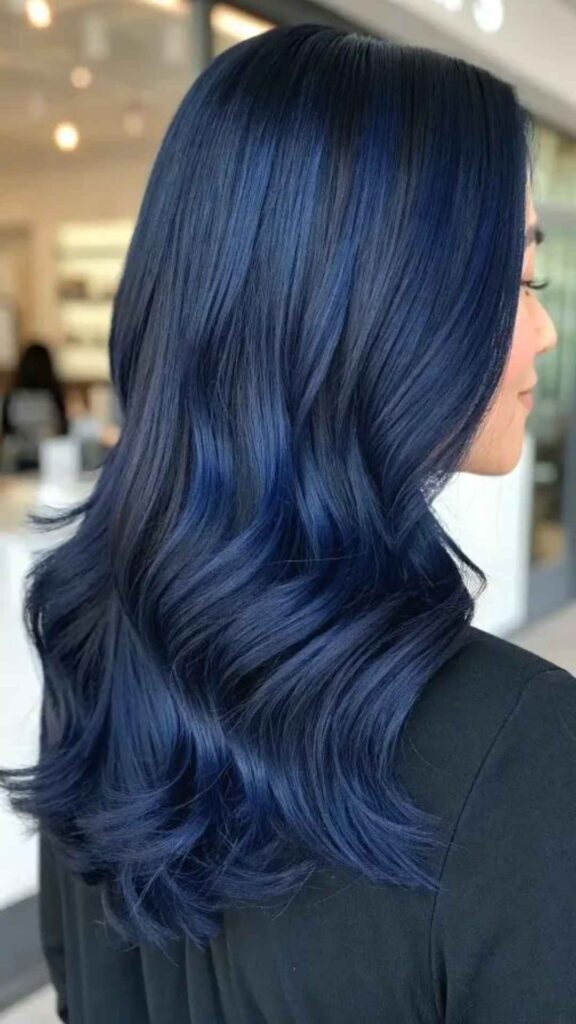
Blue is notoriously one of the fastest fading hair color shades, so setting realistic expectations early is important. Without a proper hair care routine, even the most vibrant blue hair color can turn dull or patchy within just a few weeks. The good news is that a few simple habits can make a huge difference in how long your color lasts.
Building good habits from day one will help protect your investment, especially if you went through the bleaching process to get there. Consistency matters more than any single expensive product, so focus on small daily choices rather than occasional deep treatments alone.
Read More About: 15 Stunning Honey Blonde Hair Ideas to Inspire Your Next Salon Visit
Use Sulfate-Free Shampoo
Regular shampoo often contains sulfates, which strip color from your hair much faster than gentler formulas. Switching to sulfate-free shampoo helps lock in pigment and keeps your color-treated hair looking fresh for longer. Pair this with a matching color-safe conditioner for the best results.
Wash with Cool Water
Hot water opens up the hair cuticle, allowing color molecules to escape more quickly during every wash. Switching to cool or lukewarm water helps keep the cuticle closed, slowing down hair color fade significantly over time.
Deep Condition Weekly
Bleached hair tends to be more porous, which means it loses moisture and pigment faster than untreated hair. A weekly hair mask helps restore balance, keeping your strands strong while also helping the blue pigment stay locked in place longer.
Protect Hair from Heat and Sun
Both heat styling tools and direct sun exposure accelerate fading in vivid colors like blue. Using a heat protectant spray before styling, along with a UV-protectant spray outdoors, will help preserve your color and protect the overall health of your healthy colored hair.
Best Hairstyles for Blue Hair
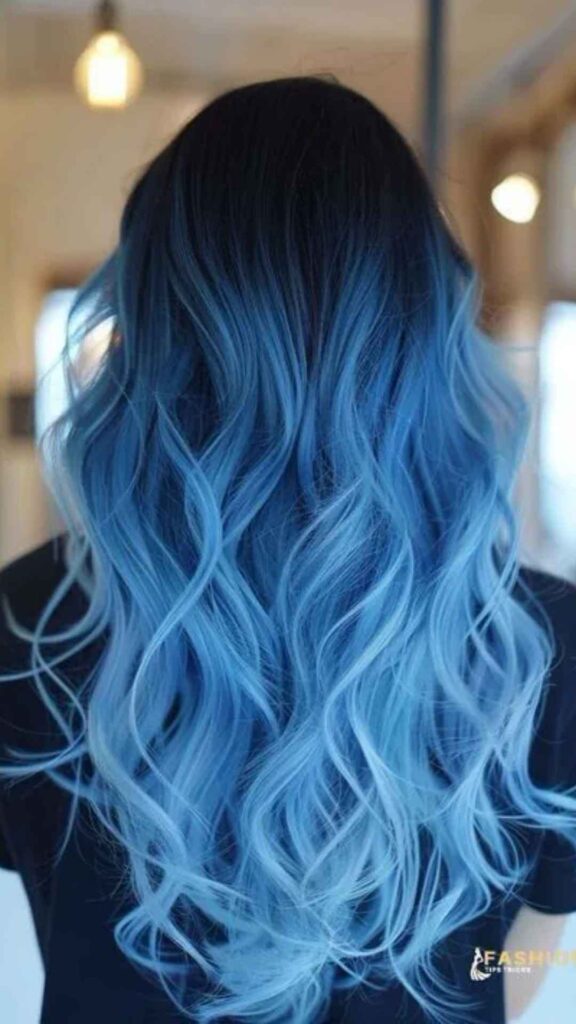
Certain hairstyles simply show off blue hair color better than others. Loose waves and curls create movement that highlights the dimension within multi-tonal shades like mermaid blue hair or blue balayage. High ponytails and buns are perfect for anyone rocking blue peekaboo hair, since these styles reveal hidden pops of color as you move throughout the day.
Braids are another wonderful option, especially for blending multiple shades of blue together in one cohesive look. Hair length also plays a role in which shades work best. Shorter cuts, like a blue pixie cut or blue hair bob, tend to suit bold, solid colors beautifully, while longer hair shows off gradients like ombre and balayage far more dramatically.
Read More About: 10 Stunning Dusty Pink Hair Color Ideas You’ll Want to Try in 2026
Blue Hair Care Mistakes to Avoid
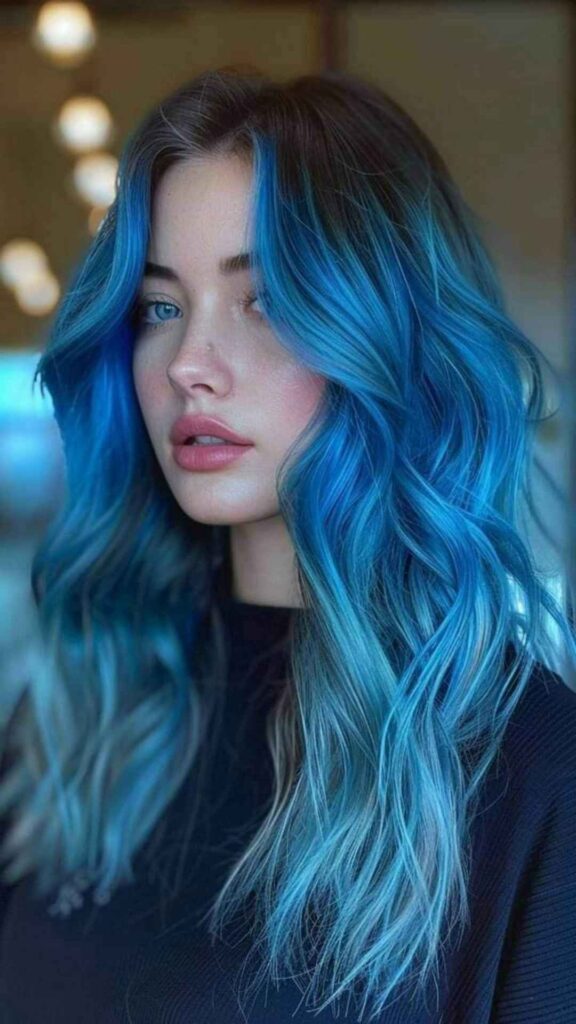
Even with the best intentions, a few common mistakes can shorten the life of your blue hair color or damage your strands. Skipping a bond-repair treatment during the bleaching process is one of the biggest culprits behind long-term hair damage. Washing your hair too soon after a fresh dye job is another mistake, since the color needs time to fully set before facing water and shampoo.
Over-washing in general is a common issue, since every wash strips a small amount of pigment regardless of how gentle your products are. Ignoring root touch-ups on high-maintenance shades can also lead to an awkward, patchy appearance over time. Finally, choosing a shade without considering your skin’s undertone can leave you feeling unhappy with a color that technically looks great, just not on you specifically.
Frequently Asked Questions
Does blue hair fade quickly?
Yes, blue hair does fade faster than most other hair color shades, especially the brighter, more vivid tones like electric or royal blue. Factors like hair porosity, wash frequency, water temperature, and sun exposure all play a role in how quickly your color fades over time.
Can blue hair be achieved without bleach?
Yes, in some cases. Darker, more muted shades like navy blue hair or denim blue hair can often be applied without heavy bleaching, especially on hair that is already light brown or has some natural red undertones. However, vivid and pastel shades almost always require significant lightening first to show their true, intended color.
Which skin tones suit blue hair?
Cool undertones generally pair beautifully with icy, navy, and royal blue shades, while warmer undertones tend to look best with teal, denim, or ocean-inspired blues. Neutral undertones have the most flexibility and can usually wear almost any shade of blue successfully.
Conclusion
From soft pastel blue hair to bold electric blue hair, there truly is a shade of blue for every personality, skin tone, and lifestyle. Whether you want a subtle hint through blue highlights or a full, dramatic hair transformation, this guide gives you the blue hair inspiration and practical knowledge you need to make a confident choice in 2026.
Before making any dramatic change, especially one involving heavy hair bleaching, it is always worth booking a proper hair color consultation with a professional colorist. They can help you avoid unnecessary damage and choose the shade that will look best on you specifically. Blue hair is more than just a color trend. It is a fun, expressive way to show the world exactly who you are, one statement hair look at a time.